
Why Is My Electric Bill So High in Summer? Causes and Ways to Lower It
Key Takeaways High summer electric bills are typically due to longer cooling cycles. Greater outdoor heat days cause HVACs to operate longer and harder, increasing

Key Takeaways High summer electric bills are typically due to longer cooling cycles. Greater outdoor heat days cause HVACs to operate longer and harder, increasing
Key Takeaways Fresh air intake HVAC what it does: It brings outdoor air into a building’s ventilation system to improve air quality and control moisture.
Key Takeaways Cracked heat exchangers mix combustion gases with home air, a danger that results in carbon monoxide exposure and lowered furnace efficiency. Typical symptoms
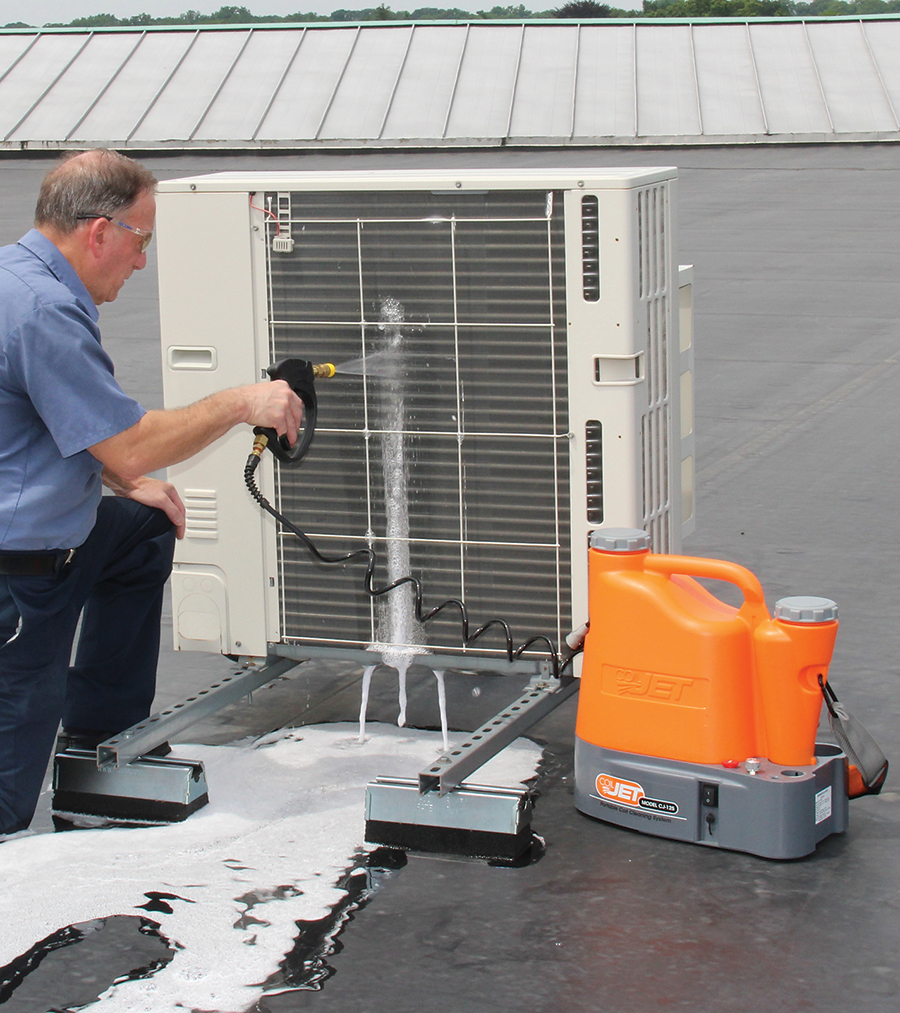
Key Takeaways Cleaning air conditioner coils yourself is a DIY home maintenance project that will help your cooling and reduce energy consumption. A coil clean-up
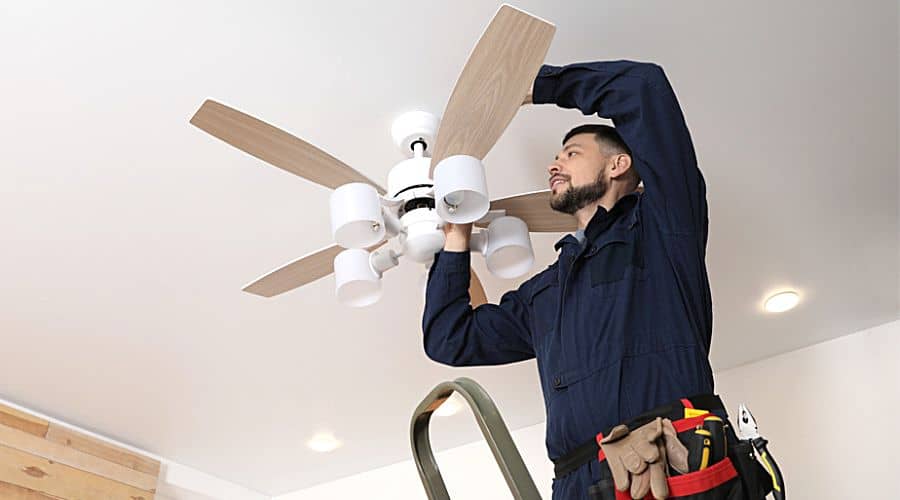
Key Takeaways Whole house fan cost to run per month depends on fan size, runtime, electricity rate, and home efficiency. Standard fans consume 200 to
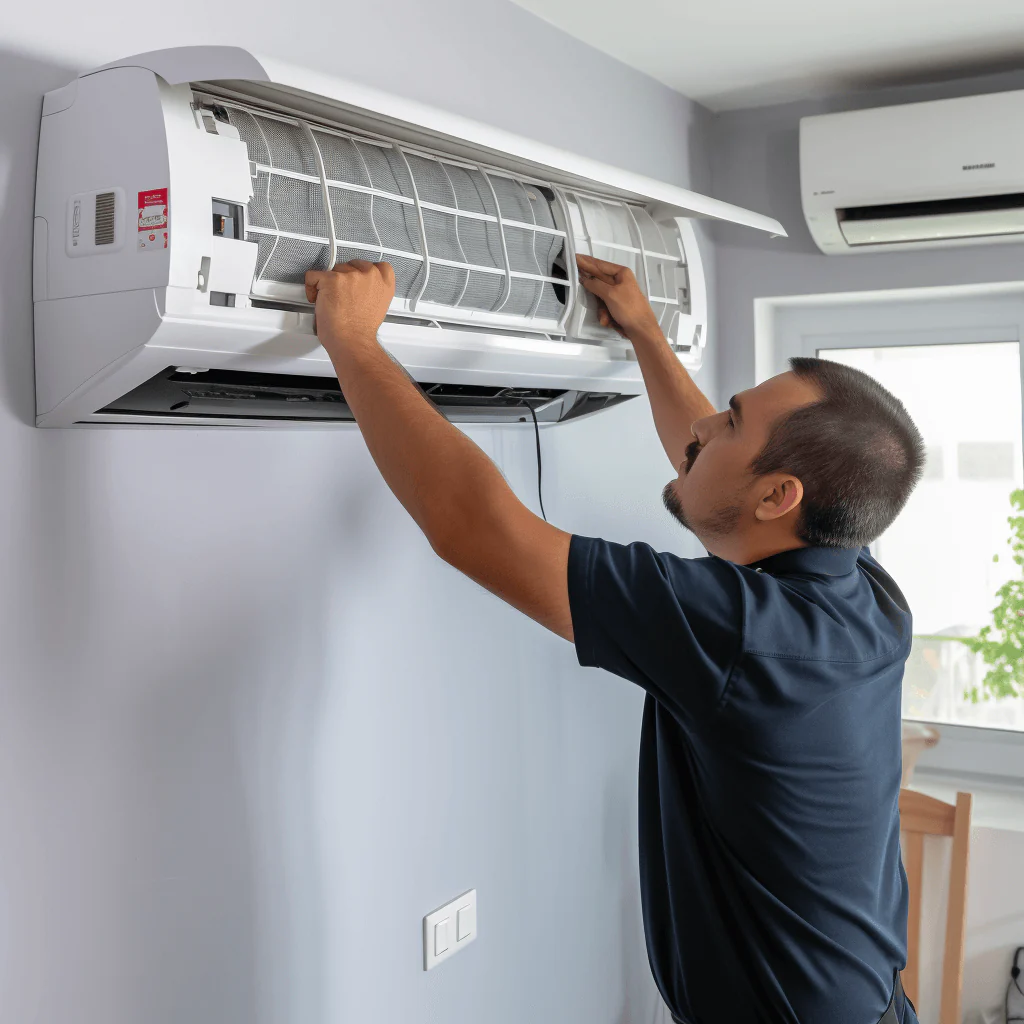
Key Takeaways Ductless AC is worth it for older homes when ductwork is lacking, compromised, or expensive to put in. These units cool individual rooms
Key Takeaways How to flush a water heater at home is a simple maintenance task to remove sediment and keep the unit efficient. Flushing once

Key Takeaways Why does my water smell like sulfur is a popular inquiry regarding a rotten-egg odor in household water. It usually smells because of
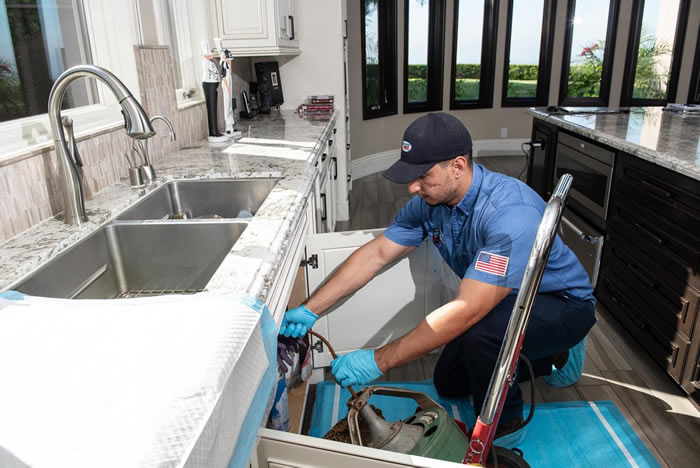
Key Takeaways Brown water from faucet causes solutions. Say why tap water turns brown and how to fix it. Rust in pipes, disturbed sediments and
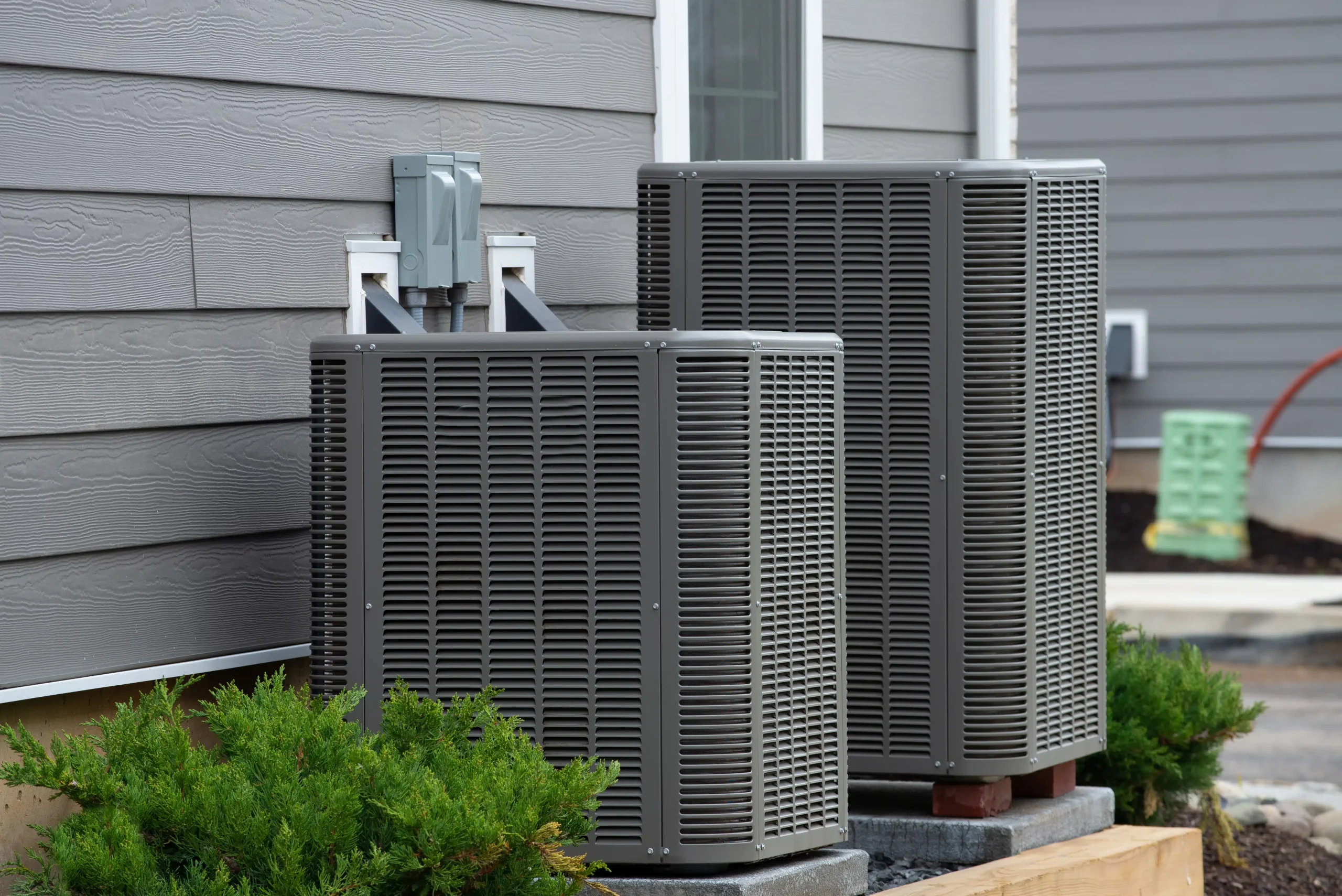
Key Takeaways These systems reduce wait time at taps by maintaining hot water on demand in pipes and reduce household water consumption by up to