
Key Takeaways
- Activated carbon is great at removing chlorine, VOCs, and taste or odor and works well as a point-of-use or whole-house prefilter. Go with carbon block for finer contaminant removal and GAC for higher flow requirements.
- RO provides drinking water of the highest purity by stripping out dissolved solids, fluoride, and heavy metals. It typically requires a storage tank, can reduce water pressure, and generates wastewater. Use it for drinking and cooking or combine with higher-throughput options for whole-house coverage.
- UV purification neutralizes bacteria and viruses without chemicals and is best applied following sediment and carbon prefiltration. It tackles biological hazards, but won’t extract dissolved chemicals or particulates.
- Distillation and ion exchange serve specific needs. Distillation removes most impurities for small-volume, comprehensive purification. Ion exchange softens water and reduces hardness-related metals, often paired with other filters for broader protection.
- Compare filters by micron rating, flow rate, and contaminant reduction score to align with household use, life expectancy, and maintenance requirements. Make a comparison table to balance performance with price and installation difficulty.
- Think total cost of ownership, environmental footprint, and user-friendliness. Factor in initial purchase, installation, ongoing replacements, wastewater and energy use, and recycle or take-back programs when choosing a system.
Water filtration system types compared breaks down the most common options for home and small-business use: activated carbon, reverse osmosis, ceramic, UV, and ion exchange.
Every type differs by particle removal, chemical reduction, flow rate, and maintenance requirements. Costs vary from low for basic pitchers to higher for under-sink RO units with professional installation.
Below we compare performance, common contaminants, installation requirements, and maintenance costs to provide assistance in selecting the right match.
Filtration Technologies
Filtration technologies segregate and minimize various pollutants via physical, chemical, and biological means. Generally, systems are either point-of-use (POU) installed at a single faucet or point-of-entry (POE) installed where water enters the home. Many systems use multiple stages, each with a specific role: sediment pre-filters, carbon for chemicals, membranes for dissolved solids, and disinfection stages.
Filter efficiency is based on absolute or nominal pore size. The smaller the pores, the finer the particles are removed. Selection is based on pollution, cost, and quality of desired water.
1. Activated Carbon
Activated carbon filters out chlorine, VOCs, and many organic chemicals by adsorption to a high-surface-area carbon matrix. Taste and odor go fast, so carbon is common for drinking water and shower systems where chlorine impacts smell and skin sensation.
Granular activated carbon (GAC) provides higher flow and is great for large-volume applications. It captures less contaminant per volume. Carbon block filters have finer pores and more contact time, so they filter out smaller particles and more contaminants, usually measured by micron rating.
Carbon is fine for municipal water with moderate levels of contamination, but it does not remove dissolved salts, fluoride, or most heavy metals. Many whole-house installations have a carbon stage after sediment filters to preserve in-line equipment.
2. Reverse Osmosis
Reverse osmosis (RO) pushes water through a semipermeable membrane that obstructs dissolved solids, salts, and many contaminants. RO is particularly effective at filtering out fluoride, heavy metals, nitrate, and nearly 99% of many dissolved pollutants with appropriate pre-filtration.
Production is slow and can reduce flow and pressure at the tap, so systems typically have a storage tank. RO is a very popular under-sink or counter-top point of use solution, but whole house RO is very rare because of cost, waste water, and pressure loss.
RO requires sediment and carbon pre-filters to safeguard the membrane and maximize service life.
3. UV Purification
UV systems use ultraviolet light to kill disease-causing bacteria, viruses, and protozoa without chemicals. UV is great if you have microbial risk, like a private well.
It is often a final disinfection step after sediment and carbon so light can shine through clear water. UV doesn’t strip away chemicals, metals, or particulates, so you need pre-filtration. Regular lamp replacement and clean quartz sleeves are maintenance items.
4. Distillation
Filtration Technologies include distillation, boiling the water and condensing the steam to leave behind most solids, microbes and minerals. It filters out bacteria, viruses, and minerals, which is great for a full purification of small amounts.
Distillers are slow, energy intensive and less applicable to whole-house applications. They are best where high-purity drinking water is needed and volume requirements are low.
5. Ion Exchange
Ion exchange exchanges hardness ions such as calcium and magnesium for sodium or potassium to diminish scale and safeguard pipes and appliances. It can eliminate some heavy metals and some radioactive ions when equipped with specific resins.
Ion exchange is frequently combined with carbon or sediment filters for more general coverage. Regeneration and chemical handling add maintenance considerations, ideal for harder water homes.
Performance Metrics
Performance metrics measure what a filtration system really does and why that’s important for everyday use, expense, and water quality. Important metrics are micron rating, flow rate, contaminant reduction score typically expressed as percentage removed, filter capacity, and sensory metrics such as taste and odor.
These lead directly to maintenance requirements, durability, and practical efficiency. Validate claims through third-party testing or certifications like NSF/ANSI 42, 53, 401, and 372 prior to purchase.
Micron Rating
Micron rating indicates the tiniest particle size a filter will snag, in microns. A 5 µm sediment filter eliminates visible sand and rust flakes, 1 µm is for fine silt and some cysts, and a 0.2–0.5 µm rating is used for very fine particulate and some bacteria in point‑of‑use systems.
Sediment filters typically come in graded ratings, with 50 µm for coarse debris down to 1 µm for fine particulates, so choose depending on the type of sediment you observe or test in your water. Lower micron ratings catch more but clog faster, so a 0.5 µm cartridge will need changing more frequently than a 20 µm prefilter.
That tradeoff influences maintenance frequency and costs and can shorten effective lifespan if clogging prompts premature swap out.
Flow Rate
Flow rate is how much water a system flows in a minute or hour, measured in liters per minute or gallons per minute. Whole-house systems can provide 10 gallons per minute for concurrent taps.
Under-sink systems typically provide between 0.3 gallons per minute for precision filters and several gallons per minute for basic carbon filters. Countertop units occupy the lower end. More flow can translate into ease of use, but many technologies sacrifice contaminant removal efficiency at high throughput.
Reverse osmosis membranes or specific catalytic media must operate at lower flow or even staged flow control. Match flow rate to household peak demand and occupants to prevent low pressure or decreased removal efficacy.
Contaminant Reduction
Look at percent removal and contaminant lists. Some boast 97 percent chlorine or 96 percent lead removal. Third-party certification can support these claims, with some products being just partially validated and others fully validated for all claimed contaminants.
Common contaminants removed by filter types include:
- Chlorine (activated carbon)
- Fluoride (reverse osmosis, specific media)
- Lead (ceramic, RO, KDF)
- Pesticides (carbon, RO)
- Sediment (pleated or spun filters)
- Industrial solvents (RO, advanced carbon)
Pair multiple technologies—sediment prefilter plus carbon block plus RO membrane—to increase total removal and extend component life. Filter capacity matters: some cartridges last up to 650,885 liters while others are rated for small volumes like 75 liters.
Factor capacity into replacement costs and maintenance planning.
Cost Analysis
A transparent picture of costs assists in contrasting filter varieties. The cost of ownership includes not just the initial purchase but also installation and maintenance. Here, costs are decomposed such that readers can balance short-term expenditure versus multi-year savings and pragmatics.
Initial Purchase
- Pitcher filters typically cost between 15 and 70 currency units. They have minimal initial expense but require a lot of cartridge swapping and have limited storage.
- Faucet-mounted filters range from 30 to 120. They are simple to install and inexpensive. Flow and durability depend on the model.
- Countertop filters: 80 to 300. Great for renters and people who want to boost performance without any plumbing.
- Under-sink carbon systems: 150 to 600. Superior filtration and extended lives require medium installation work.
- Reverse osmosis (RO) systems cost between 300 and 1,200 for basic under-sink RO. Whole-house RO can be more than 3,000. RO produces high purity, but it is more expensive and generates waste water.
- UV purifiers range from 200 to 900 for point-of-use units. Whole-house UV adds to the total system cost and is frequently used in conjunction with pre-filters.
- Whole-house filters: 900 to 5,000. Protects all taps and appliances and is handy for big houses or particular contaminant profiles.
Consider included parts: housings, pre-filters, fittings, pressure gauges, and warranties. A higher price may signify longer filter life or bundled cartridges, lowering spend over time.
Installation
DIY alternatives reduce upfront expenditure. Pitchers, faucets, countertops, and a lot of under-sink units install without pros. Whole-house systems, some reverse osmosis setups, and some ultraviolet units typically require a plumber.
Plumbing changes vary by system: under-sink installs need a cold-water tee, drain line for RO, and space for storage tanks. Main-line installs for whole-house filters could need shut-off valves, bypass loops, and potential pipe resizing. Shower filters generally mount without heavy-duty plumbing, although you’ll want to verify pressure and threading compatibility.
Tricky to install, increasing setup cost and time. A pro install can add between 100 and 1,000 or more depending on the system and local labor rates. Check manufacturer instructions and home plumbing compatibility before purchase for no surprises.
Ongoing Maintenance
Routine tasks include changing cartridges, cleaning housings, sanitizing system components, and replacing membranes or UV lamps as recommended.
Checklist:
- Replace filter cartridges on schedule.
- Clean filter housings and O-rings.
- Sanitize system and lines annually or after service.
- Monitor pressure and flow for signs of clogging.
- Track RO membrane and UV lamp life.
Sediment filters typically last every 3 to 6 months. Carbon blocks have a lifespan of 6 to 12 months. RO membranes have a lifespan of about 2 to 5 years. Maintenance costs range from $50 to $200 per year. Five-year maintenance is typically far less than bottled water. Filtered tap water runs around $0.004 per gallon, while premium bottled water can top $12 per gallon and be as much as 2,000 times that expensive. One person can save around $354 per year, and a family of four can save $1,416.
System Configurations
System configuration determines where and how water is treated and has a direct impact on coverage, performance, and cost. Configurations fall into two practical categories: point-of-use (POU) systems that treat water at specific taps or appliances and point-of-entry (POE) systems that treat the incoming supply for the whole building.
Selection of configuration ought to correspond with pollution fears, family size, finances, and consumption.
Point-of-Use
Point-of-use filters mount at a specific faucet, beneath a sink or on an appliance like a fridge or countertop unit. They concentrate on the end delivery point so that drinking and cooking water are satisfactory without altering water elsewhere in the house.
Popular options are faucet-mounted cartridges, under-sink carbon block units, and small reverse osmosis (RO) systems for kitchen sinks. POU systems are generally less expensive and quick to install, a great solution for renters or houses with poor plumbing access.
POU provides focused contaminant treatment such as lead, chlorine taste and odor, and certain VOCs. A mini RO system can come in handy for people with certain health or taste-related issues who want dissolved solids to be filtered out.
These systems typically have filters that last between six and twelve months based on usage and local water quality and clearly label the capacity so users can schedule replacements. POU is useful and effective for individuals who only require safe drinking water or would prefer to avoid whole-home labor.
Point-of-Entry
Point-of-entry systems are installed at the main water line so that all faucets, showers, and appliances get treated water. Whole house systems are available as single, two, or three-stage configurations.
One-stage units usually utilize a single media, such as a sediment or carbon filter. Two-stage configurations blend media, such as sediment and carbon, to expand the range of removal. Three-stage systems are the most comprehensive.
A first stage often uses activated carbon for chlorine, sediment, and some organics. A second stage might be an RO membrane or a specialty cartridge to remove dissolved contaminants. A third stage can use advanced media or polishing filters for targeted purity.
POE safeguards plumbing and appliances against scale, sediment, and corrosion and enhances water for bathing and laundry in addition to drinking. Some configurations utilize KDF, a copper-zinc alloy, to reduce chlorine, heavy metals, and hydrogen sulfide through redox and are usually coupled with carbon or other media.
Installation is generally straightforward for a qualified plumber, and customization is common: homeowners choose stages and media based on lab results, family size, and lifestyle. Filter replacement intervals tend to run 6 to 12 months, depending on flow and contaminant load.
Installation & Maintenance
Installation and maintenance are key for any filtration system to provide its advertised contaminant reduction and achieve its anticipated lifespan. Improper installation or ignored maintenance cuts flow, lets in bypass or bacterial growth, and reduces component life. Pay close attention to manufacturer instructions and maintain a basic service record noting replacements and maintenance dates.
User-Friendliness
Easy-to-use systems reduce time and decrease the risk of errors in installation and maintenance. Most under-sink and countertop units feature tool-free filter swaps and push-fit connectors that a homeowner can replace in a matter of minutes. Seek out transparent filter life indicators, mechanical dials or electronic LEDs, and smaller, more compact designs that can be tucked away easily underneath standard cabinets.
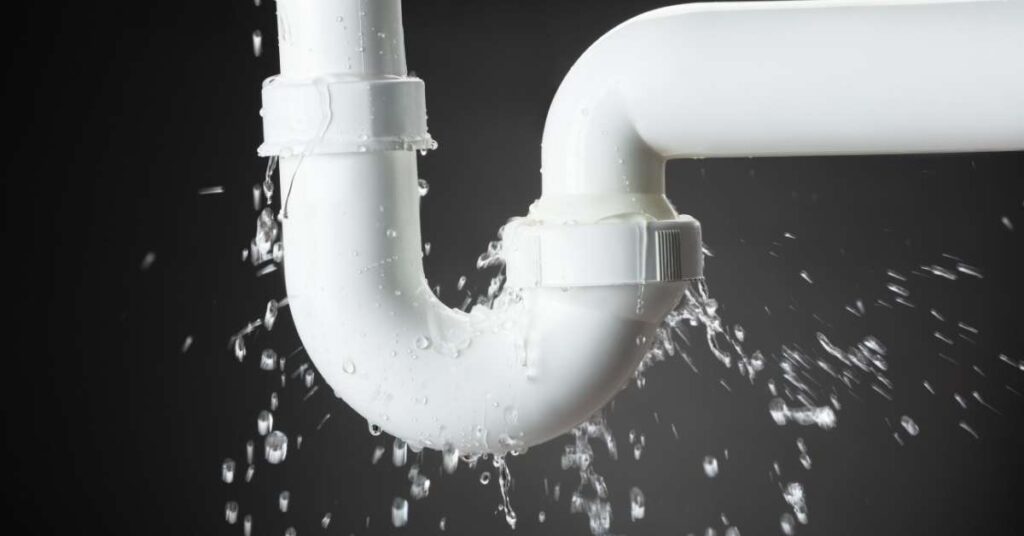
The systems that demand we twist housings or use wrenches run the risk of cross-threading or leaks. Carbon filter cartridges are popular because they tend to be standard sizes that are easy to replace. If filters remain unused for five days or more, chlorinated water should be run through the unit for at least 30 seconds before consuming.
Opt for systems with easy service parts and simple directions for busy homes and novices.
Professional Help
Whole-house installations and certain advanced systems usually require a licensed technician. Whole-house installs generally span more than just a couple of water outlets and often necessitate opening up the main supply. On-site tools commonly consist of a drill with various bits, two adjustable wrenches, a tubing cutter, and buckets to catch any residual water remaining after shutoff.
When the project scope expands, such as concealed pipes, additional adapters, or electrical, say ‘call in the pros’. Engineers guarantee local code compliance and performance. Labor costs are regional, so include installation fees when you’re comparing total investments.
If your install is looking bigger than you anticipated, pause and call in a contractor to save yourself expensive errors.
Lifespan
Sediment filters can range anywhere from 3 to 6 months based on incoming turbidity and carbon cartridges typically operate 6 to 12 months in home use. Reverse osmosis membranes may survive 2 to 5 years if pre-filters are changed on schedule. Real life varies based on water quality, volume filtered per day, and flow rates.
Heavy sediment or high chlorine load reduces activated carbon life. Heavy sediment loads reduce the life of sediment cartridges. Going beyond recommended cycles allows contaminants through and can promote bacterial growth. Use log and manufacturer replacement intervals.
A few systems come with flow meters or timer reminders — use them. For certain maintenance, such as cleaning housings, sanitizing lines, or replacing seals, stick to the manual and use compatible parts only. Frequent inspections stave off degradation and increase longevity.
Environmental Footprint
There are significant environmental differences among water filter types. This section evaluates waste byproducts, disposal difficulties and energy requirements to assist readers consider sustainability in addition to performance and price. The goal is practical: choose systems and practices that lower resource use, cut plastic and keep operating impacts modest.
Water Waste
Reverse osmosis (RO) systems send a portion of feed water to drain as reject water. Common ratios range from 1 to 1 to 1 to 4 for product to reject, though newer units can improve to 1 to 1. Low-efficiency units can waste dozens of liters per liter purified, which is important in places where water is precious.
Gravity filters generate virtually no wastewater, as they retain and transfer water through media without any reject stream. Distillers utilize heat to vaporize water and then condense it, producing no liquid reject but using lots of energy. A household RO unit that flushes 2 liters per 1 liter purified will consume orders of magnitude more source water over time than a gravity or carbon-only system.
Reclaiming RO reject water for non-potable applications to water plants, flush toilets, or pre-rinse laundry reduces net waste. Permeate pumps or low-waste certified RO units minimize losses as well. Monitor system water usage and accumulate run-off in containment where possible. Small behavior modifications and plumbing bypasses can shave excessive waste.
Filter Disposal
Spent cartridges and membranes become solid waste and can contain entrapped contaminants. Carbon blocks and sediment cartridges are usually plastic-cased, and they should never be landfilled if there’s a choice. RO membranes are trickier; they might require special disposal depending on local regulations.
A 12-month filter generates half the cartridge waste of a 6-month replacement. Bulk packaging of replacement filters decreases cardboard usage and shipping cube, and it lowers footprint. Seek out manufacturers that have take-back or recycling programs. Others pull media apart from plastic housings so they can recycle materials.
Design a straightforward disposal schedule that tracks replacements and return locations. This facilitates consolidating shipments for recycling and avoids haphazard trash dumping.
Energy Use
Gravity, ceramic and even quite a few carbon-based pitchers require not a lick of electricity. UV disinfection units, pump-assisted RO systems and distillers need constant or intermittent power. Distillers are some of the most energy-intensive, employing heat twenty-four hours a day to distill.
UV systems use only modest electricity but must operate sufficiently to treat flow. Their lifetime energy accumulates. Manual, gravity, or long-life cartridge systems reduce energy requirements for off-grid or low-impact homes.
Remember the trade-off: advanced multi-stage systems often raise energy use but can remove more contaminants. Over 10 years, a home filter system has a carbon footprint orders of magnitude smaller than bottled water delivery and disposal. A well-maintained unit can take the place of thousands of one-use bottles every year and divert 25,000 to 30,000 plastic bottles away from landfills for a family.
Conclusion
The filter type chart is suddenly transparent. Carbon filters eliminate taste and odor quickly. Reverse osmosis reduces dissolved solids to low levels. Ultrafiltration halts bacteria and most viruses. UV destroys microbes without any added chemicals. Each serves a purpose. For a small apartment, a pitcher or under-sink carbon unit is fine. For hard water or heavy buildup, opt for reverse osmosis with a remineralizer. For rural wells, combine sediment, carbon and UV for consistent protection.
Think in trade-offs: flow rate, waste water, filter life, and price. Pair those up with daily use and budget. Sample a quick test or trial water initially. If not certain, get a local lab test or a simple field kit. Be prepared to decide on a system. Contrast two models side by side and balance the points above.
Frequently Asked Questions
What are the main types of water filtration technologies and when should I choose each?
Common types include activated carbon for taste and odors, reverse osmosis for heavy contaminants, UV for microbes, and ceramic for particulates. Select by contaminant requirement, water source, and flow rate. Pair technology to test for optimal results.
How do I compare filtration performance across systems?
Check contaminant removal rates, certification (NSF/ANSI), flow rate, and treated water capacity. Give preference to certified information and independent test results to verify actual performance.
Which filtration system is most cost-effective long term?
Activated carbon and POE filters typically have low upfront costs and require more frequent replacement. Reverse osmosis costs more in both upfront and maintenance and eliminates more contaminants. Compare total cost of ownership: purchase, filters, and energy.
Can I install a whole-house system myself?
A few whole-house filters are DIY-friendly. Bigger systems or ones connected to your plumbing generally require a professional plumber. Think about warranty and local codes before you try to install it yourself.
How often do filters and membranes need maintenance or replacement?
Replacement varies based on usage and water quality. Carbon filters last from three to twelve months. RO membranes last from two to five years. UV lamps need replacement annually. According to manufacturers, test the water if it declines.
What is the environmental impact of different systems?
Point-of-use filters generate less wastewater than reverse osmosis. Disposable filter cartridges generate plastic waste. Select systems with recyclable components, minimal water waste, and durably built parts to decrease footprint.
How do I know which system fits my home water quality needs?
Begin with a certified water test to determine what contaminants you are dealing with. Pair contamination test findings with effective contaminant removal technology. Seek advice from a water treatment specialist for complicated findings or medical issues.