
Key Takeaways
- ERVs supply continuous balanced ventilation by transferring exhaust indoor stale air to the outside while simultaneously bringing in filtered outdoor fresh air. This process recovers heat and moisture to reduce energy loss and maintain indoor air quality.
- The heat exchanger core exchanges heat and humidity between outgoing and incoming air streams, thus preserving indoor humidity at a stable level and decreasing heating and cooling loads.
- No matter what, properly sizing an ERV and integrating it with existing ductwork and controls is critical for efficient performance and needs professional installation. This is especially important to ensure correct airflow balance and system compatibility.
- Regular maintenance, like filter changes, core inspections, and seasonal check-ups, avoids diminished airflow, minimizes repair risk, and maintains energy savings.
- ERVs are usually preferred in humid climates, as they transfer moisture as well as heat, and HRVs in dry, cold climates. Select based on local climate and home requirements.
- Think of ERVs in terms of healthier occupants, quieter ventilation in homes with closed windows, and energy and structural savings over the long haul in very tight or new homes.
A home ERV ventilator swaps indoor and outdoor air and shares both heat and moisture to maintain comfort. A core exchanges heat and moisture between the two airstreams, conserving energy and helping to regulate indoor humidity.
Fans duct fresh air in and exhaust stale air on separate ducts to prevent cross-contamination. Typical units install in mechanical rooms or walls and use filters and basic controls for consistent ventilation across all seasons.
ERV Mechanics
ERVs provide balanced ventilation that exchanges stale indoor air for fresh air from outdoors while minimizing energy loss. A quick push-pull mechanism maintains neutral indoor pressure and minimizes the loss of heating or cooling in large volumes of make-up air.
1. Air Exchange
ERVs have two fans and two separate air streams: one fan expels used indoor air while the other brings fresh air in. This constant exchange reduces indoor carbon dioxide, odors, and the VOCs created by daily life. Proper air exchange rates, sized to the home and occupancy, prevent pollutant buildup and directly enhance occupant comfort and brain function.
Balanced airflow stops pressure differences that result in drafts or draw unconditioned air through leaks in the building envelope. Unlike natural ventilation such as open windows, ERVs deliver tempered, year-round fresh air without dumping your conditioned indoor temperature or flooding you with outdoor pollutants.
2. Core Technology
At the core of an ERV is the heat exchanger core, where the outgoing and incoming air streams pass close to each other and do not mix. The core allows heat and moisture transfer between streams. Filters, typically MERV-rated or HEPA in high-end systems, trap dust, pollen, and allergens prior to air being introduced to living areas.
Core designs differ. Plate cores, rotary wheel cores, and insulated cabinet arrangements each have trade-offs in durability, maintenance, and efficiency. Certain wheel ERVs provide greater recovery; they require additional maintenance and specialized knowledge, while insulated cabinet models are rugged and relatively easier to seal.
Routine filter changes and yearly core inspection lengthen unit life and maintain performance.
3. Energy Transfer
In summer, the ERV transfers heat from the warm entering air into the cooler exhaust air. In winter, it transfers heat from warm exhaust to cold incoming air. That recovered energy can approach 70 to 80 percent of exhaust heat in normal conditions, thus reducing heating and cooling loads and trimming energy bills.
Different from HRVs that only move heat, ERVs move both heat and moisture, which keeps indoor humidity balanced throughout the seasons. Well-engineered internal components, such as efficient core geometry and tight seals, reduce leakage and help minimize energy loss during transfer, improving system performance.
4. Moisture Control
ERVs transfer sensible heat and latent moisture between streams so homes remain drier in summer and more humid in winter. This balanced moisture control minimizes condensation on windows and walls, which helps to reduce the risk of mold and dust mites.
In very humid or dry climates, ERVs are used in conjunction with dehumidifiers or humidifiers instead of replacing them. Warning signs of bad humidity control are fogged windows, musty smells, or damp basements.
5. System Integration
ERV units tie into existing ductwork and can function alongside furnaces or heat pumps, with controls syncing to operate fans when necessary. Integration with smart thermostats and home automation allows owners to schedule ventilation based on occupancy.
Sizing is crucial. Undersized units under-ventilate. Oversized units waste energy. Partner with a certified HVAC contractor because smart design choices for ERV design, commissioning, and duct layout are critical to success.
Key Advantages
Energy recovery ventilators (ERVs) introduce fresh outdoor air into a home while recovering heat and moisture from the outgoing stale air. This double exchange eliminates the heating or cooling load for fresh air, so homes breathe easier with less energy consumption.
ERVs manage indoor humidity, minimize contaminants, and assist in meeting current energy codes and net-zero ambitions.
Air Quality
ERVs employ core exchangers and filters to eliminate particulates, pollen, and a few gaseous pollutants from incoming air, enhancing indoor air quality (IAQ). The core transfers heat and moisture between the two air streams, and inline filters capture dust and bigger allergens before they reach living areas.
Frequent filter inspections and prompt replacement maintain filtration efficiency and safeguard the core from dirt accumulation. A once-every-3 to 12-month maintenance visit, depending on local dust and occupancy, keeps IAQ high and the system efficient.
Unlike typical exhaust fans or basic supply-only ventilation, ERVs deliver filtered, balanced ventilation instead of random air infiltration. For allergy and asthma sufferers, that equilibrium translates into fewer outdoor irritants coming inside directly and lower indoor particle densities than with simple ventilation.
IAQ checklist: Monitor CO2 and keep it under 800 to 1,000 ppm. Track relative humidity and aim for 30 to 50 percent. Inspect filters monthly and note odors or visible dust as early warning signs.
Energy Savings
ERVs can reduce heating and cooling loads substantially by exchanging heat and moisture between outgoing and incoming air. Actual energy savings are climate dependent, but average homes experience a 10 to 30 percent drop in HVAC energy consumption from season to season energy recovery and decreased temperature load on systems.
ERVs preheat incoming cold air in winter and pre-cool it in summer, so furnaces and air conditioners run less. That reduces electricity and fuel consumption and cuts monthly utility bills.
For energy-savvy homeowners, lower demand provides a smoother route to net-zero-ready performance. Annual savings vary with home size, insulation and climate. In a medium-sized, well-insulated home, savings could be higher in more extreme climates, while in mild climates, savings are modest but still significant.
ERVs reduce peak load, which can decrease demand charges or defer equipment replacement.
Home Comfort
Fresh, balanced ventilation fuels deep sleep and all-day wellness by maintaining oxygen levels and reducing stale air accumulation. ERVs keep indoor humidity more balanced by adding moisture during dry winters and filtering out excess during humid summers, which benefits skin comfort and the portability of humidifiers.
Newer ERV units operate quietly relative to ancient whole-house fans or window units, so they don’t disrupt sleep or work. They decrease odors and stuffiness that are typical in tightly sealed homes by perpetually exchanging stale air with filtered fresh air.
ERV vs. HRV
ERVs and HRVs both exchange fresh air into a home while exhausting stale air out. They exchange heat and moisture in different ways. That distinction is important when you select a system for a specific climate or building type.
ERV vs. HRV Below is a focused comparison that covers what each system does, where each performs best, and practical trade-offs to help you decide which fits your home.
Core differences and humidity transfer
ERVs exchange sensible and latent heat, so they transfer some moisture between supply and exhaust air. In summer, an ERV can lower the moisture load being brought into the house by pushing humidity outside. In winter it can return some indoor moisture to the incoming cold air, keeping relative humidity from plummeting.
HRVs transfer sensible heat exclusively and do not allow moisture transfer. They are designed to reclaim temperature energy but leave moisture exchange to the remainder of the HVAC system or passive processes.
Climate recommendations and suitability
I suggest ERVs for humid climates and homes with higher indoor humidity or with drying heat because ERVs help maintain indoor humidity levels in a comfortable range. ERVs work for climates with dry winters and humid summers, allowing the system to both add and subtract moisture.
I recommend HRVs for cold, dry winters and very cold climates where heat conservation is paramount and indoor air is already dry. HRVs recapture a greater proportion of heat from exhaust air in harsh cold and lessen heating demand without adding moisture.
Pros and cons
| Feature | ERV (Energy Recovery Ventilator) | HRV (Heat Recovery Ventilator) |
|---|---|---|
| Heat recovery | Good | Very good in extreme cold |
| Moisture transfer | Yes — balances indoor humidity | No — no moisture transfer |
| Best climates | Humid summers / dry winters | Cold, dry winters |
| Homes with poor sealing | Helpful — reduces heat loss/gain | Effective, but may need humidification |
| Noise | Many quiet models (<1.0 sone) available | Many quiet models (<1.0 sone) available |
| Complexity & cost | Slightly more complex | Generally simpler |
Moisture control and energy efficiency by environment
For moisture, ERVs shine in homes fighting excess humidity or significant seasonal swings, as they transport moisture with the heat stream and maintain more consistent relative humidity.
In airtight homes with low indoor humidity, HRVs don’t add moisture and may be a bit more efficient at heat recovery in very cold weather. Energy efficiency varies by model and installation for both, but both can reduce heating and cooling energy by reducing the amount of outside air that would otherwise have to be conditioned.
Silent operation is standard in new units. However, sizing and duct design count for actual efficiency. Consult a professional to appropriately match capacity, controls, and placement to the house and local climate.
System Management
System management maintains an ERV functioning efficiently and extends its lifespan. Routine maintenance lowers energy consumption, maintains indoor humidity levels in range, and assists the ERV to supplement heating and cooling systems instead of competing with them.
Here are system management tasks, checks, and sample homeowners should adhere to.
Installation
Choose an ERV sized to the home’s floor area, typical occupancy, and local climate. Manufacturers provide sizing charts in square metres or cubic metres per hour. A 100 m² home with three occupants will need a different flow rate than a small apartment.
Professional installation is advised to match duct runs, balance supply and exhaust, and avoid backflow. Typical installation steps include site assessment and load check, duct layout and placement of exterior hoods, mounting the unit, connecting ductwork and condensate or drain lines, wiring to power and controls, and commissioning with airflow and pressure tests.
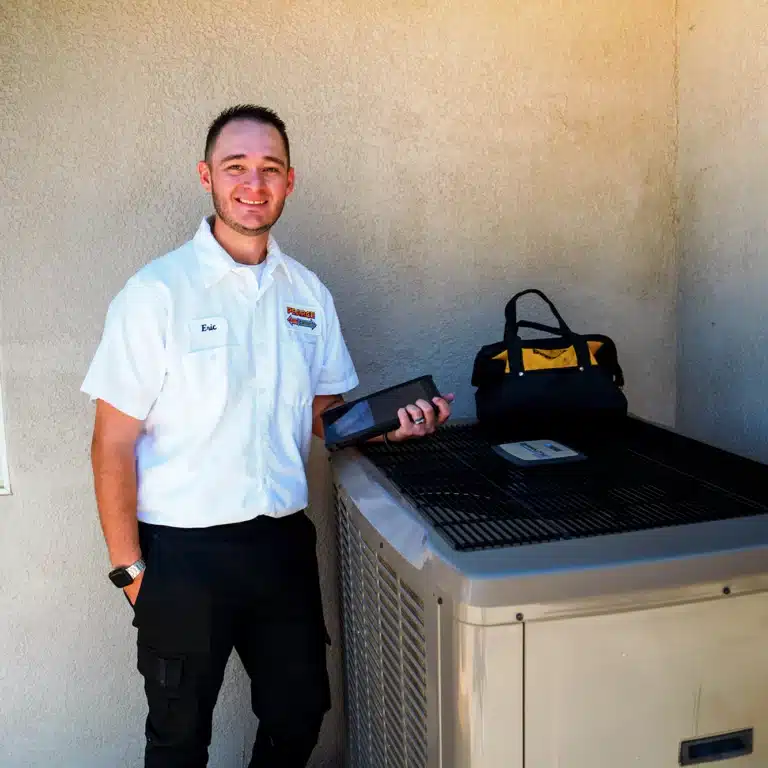
Common challenges include tight attic or closet space, routing ducts without long runs that reduce flow, and integrating with an existing HVAC system that uses different fan controls. Installers often fit a dedicated bypass or use a multi-speed controller to sync operation.
Maintenance
Clean or change supply and exhaust filters every 3-6 months. Vacuum washable filters monthly if dust is heavy. Check the heat-exchanger core yearly for dust.
Lightly vacuum or, according to manufacturer instructions, use compressed air. Inspect exterior hoods for debris a minimum of once annually and after storms. Record the dates for filter changes, core checks, and any part swaps to safeguard warranties and map performance over time.
Neglect means clogged filters, lower airflow, elevated fan power consumption, and inferior humidity control. These situations place stress on HVAC equipment and increase monthly bills. With proper maintenance, ERVs remain with you for 10 to 15 years and more, especially those with anti-mold cores and corrosion-resistant components.
Checklist (homeowner)
- Replace or vacuum filters every 3–6 months.
- Annual core inspection and clean.
- Clear exterior intakes and hoods seasonally.
- Verify condensate drain is clear.
- Record dates and notes for each task.
Troubleshooting
Strange sounds typically indicate either loose duct hangers, failing fan bearings, or a foreign object stuck in the wheel. Troubled airflow typically indicates clogged filters, blocked intakes, or an unbalanced supply and exhaust.
Odors can develop due to moisture trapped in the core or from external debris, and cleaning typically resolves this issue. Basic checks include confirming power and breaker, looking at filter condition, verifying control settings on the thermostat or panel, and confirming exterior hoods are open.
Call the plumber for a leak, the electrician for a short, and the motor man for a breakdown. Maintain a basic table beside the unit of typical failures, probable causes, and immediate actions for quick solutions.
Beyond Ventilation
Energy recovery ventilators (ERVs) are more than exchanging stale air for fresh air from the outdoors. They reclaim heat and, vitally, moisture, so fresh air is delivered warmed and more humidified, nearer to indoor conditions. That decreases the load on heating and cooling systems by reusing up to around 80% of the heat energy from exhaust air to supply air.
In today’s tightly constructed homes, where indoor air can be two to five times more polluted than the outdoors, that tempered exchange prevents pollutant concentrations and humidity from increasing while minimizing energy loss.
Structural Health
The balanced ventilation provided by ERVs reduces the risk of moisture accumulation within walls, ceilings, and insulation by maintaining indoor humidity at designed levels. When ventilation brings air in and out at comparable volumes, it prevents the depressurization that sucks moist outdoor air into wall cavities or pushes humid indoor air into cold surfaces, where it condenses.
Over time, that consistent control keeps mold, mildew, and rot at bay, which tend to trail trapped moisture in tight buildings. While most new building codes call for moisture control as well, ERVs facilitate adherence with quantifiable ventilation rates and stable humidity control.
Correct humidity safeguards wood flooring, framing, drywall, and painted finishes from warping, staining, and paint failure.
Acoustic Comfort
ERVs are designed to operate quietly compared to exhaust fans or window ventilation that are only used as needed. Insulated cabinets, vibration-damped mounts, and low-speed but effective fans reduce audible noise.
When you use an ERV with the windows shut, you experience a dramatic reduction in traffic and neighborhood noise infiltrating your living spaces. Quiet operation makes ERVs a great option for bedrooms and living areas where sleep and focus are important.
They differ by units, but manufacturers generally publish noise levels in decibels so purchasers can select models that fit their acoustic requirements.
Occupant Wellness
Enhanced indoor air quality from ERVs connects to decreased allergy and asthma attacks as well as diminished respiratory complaints for numerous individuals. Combined with regular moisture control, it reduces the growth of biological allergens like mold and dust mites.
ERVs can be combined with HEPA filters, plants, and less potent household chemicals to further purify air. Benefits for sensitive groups include:
- Fewer allergy attacks and lower airborne allergen loads.
- Reduced asthma triggers and better breathing at night.
- Lower exposure to volatile organic compounds from indoor sources.
- More consistent sleep comes from stable temperature and humidity.
Kids, seniors, and asthmatics tend to experience an appreciable difference when airflow is constant and accompanied by good filtering. Routine maintenance, like timely filter changes and core inspections, enhances both performance and lifespan.
ERVs can connect to smart thermostats and controllers to adjust ventilation based on occupancy, indoor CO2 concentrations, or outdoor humidity predictions.
Is It Worthwhile?
ERVs rotate between exhaust indoor air and intake outdoor air, transferring heat and moisture between the two air streams. This small act can transform a home’s warmth and a family’s energy consumption. For airtight homes that minimize uncontrolled leaks, an ERV becomes the primary fresh air pathway. That keeps nasties from accumulating and saves you the trouble of opening windows to do so, which can invite noise, pollen, or smoke.
Cost-benefit analysis: energy savings, comfort, and health
Upfront cost includes the unit and professional installation by an HVAC contractor. This is not a good DIY project. Installation varies significantly by region and home complexity, but the reward manifests in reduced heating and cooling loads. By exchanging sensible and latent heat, ERVs reduce the effort your furnace or air conditioner has to make.
In summer, incoming air is cooler and less humid, which can cut AC run time and energy consumption. During winter, ERVs capture reclaimed heat while retaining some humidity to prevent cold drafts and dry air. Health benefits are less easy to value but clear: steady ventilation lowers indoor pollutant levels, reduces CO2 buildup in occupied rooms, and helps prevent mold by controlling humidity.
For most homeowners, these combined benefits offset the expense in a matter of years, though climate and energy prices play a role in that equation.
Scenarios where ERVs are a smart investment
New builds with tight envelopes benefit the most because mechanical ventilation is required to meet air exchange needs. Homes in locations with bad outdoor air, next to highways, wildfires, or industrial areas, gain because ERVs enable you to vent while filtering and conditioning the air.
Homes with allergy or asthmatic occupants tend to experience genuine benefits. In buildings with occupants who operate exhaust fans frequently, such as kitchens and bathrooms, ERVs replace that lost air efficiently and temper humidity spikes that can lead to mold.
Long-term advantages over standard ventilation
When compared with basic exhaust fans or open windows, ERVs provide controlled fresh air with heat and moisture recovery. That means lower energy bills, less humidity issues and more consistent indoor temperatures.
Over time, residents experience better sleep, fewer allergy flare-ups and reduced dependence on AC during humid months. Think about personal comfort and local climate; humid summers or dry winters make ERV usage ideal, as well as household patterns such as occupancy and whether windows remain open or closed.
Professional evaluation provides the best savings and system sizing estimate.
Conclusion
An ERV circulates fresh air in and stale air out while exchanging heat and moisture between the two flows. It reduces energy loss and regulates indoor humidity. For dry winters and humid summers, ERV keeps rooms more stable and HVAC load down. For homes with pets, cooking or tight envelopes, an ERV reduces odors and restricts accumulation of contaminants. Just simple filters and an annual inspection and it’s humming along. A compact unit serves an individual room. Typically, a whole-house unit connects to your home’s ductwork to provide consistent and balanced ventilation.
If you want more consistent air, reduced energy costs, and less indoor relative humidity fluctuations, think about an ERV. Consult a regional HVAC expert to pair capacity and controls to your house.
Frequently Asked Questions
What is an ERV and how does it work in a home?
An ERV ventilator swaps stale indoor air for fresh outdoor air. It exchanges heat and moisture between these two airflows to conserve energy and provide comfortable indoor conditions.
How does an ERV improve indoor air quality?
An ERV constantly pulls in fresh, filtered outside air and pushes out odors, moisture, and carbon dioxide. The constant flow of air lessens odors and indoor pollutants and makes the air in your home more pleasant to breathe.
When should I choose an ERV over an HRV?
Select an ERV in humid climates or tight homes where moisture is an issue. ERVs transfer both heat and moisture. They do a better job of stabilizing indoor humidity than HRVs, which only exchange heat.
How much energy can an ERV save?
ERVs cut heating and cooling loads by capturing some of the energy from exhaust air. Savings differ by climate and system, but ERVs typically reduce ventilation-related energy consumption by 30 to 70 percent.
How often does an ERV need maintenance?
Basic maintenance involves cleaning or replacing filters every 3 to 12 months and inspecting core and fans once a year. Routine inspections maintain efficiency and prolong equipment lifespan.
Can I install an ERV myself?
Could be DIY installed by an experienced HVAC savvy homeowner. For optimal performance and warranty coverage, employ a professional HVAC technician for sizing, ducting, and balanced airflow configuration.
Will an ERV work with my existing HVAC system?
Yes. ERVs work with almost any heating and cooling system to bring in fresh air and provide preconditioned ventilation. Work with your HVAC contractor to confirm that the controls and airflow balance will be properly configured.