
Key Takeaways
- A heat pump water heater costs more up front than a standard tank, but lower energy bills and available incentives can make it the better long-term value for many Sacramento Valley homes.
- Comparing tank capacity, efficiency ratings, and installation requirements helps you match a model to your household and budget.
- Tracking your energy use and shifting hot water tasks to off-peak hours can increase monthly savings and shorten the payback period.
- Rebates, utility programs, and tax incentives can lower your cost, but the programs and deadlines change often, so confirm what is active before you buy.
- Heat pump water heaters run quietly, use far less electricity than a standard electric tank, and lower your home’s carbon footprint.
- Professional installation and routine maintenance help the unit reach its full 10 to 15 year lifespan and protect your savings.
A heat pump water heater in Winters, CA typically costs $1,500 to $3,000 for the unit, plus $2,500 to $5,000 for installation, and it uses roughly two-thirds less electricity than a standard electric tank. Many Sacramento Valley homes trim $200 to $550 off their yearly water heating bill and recoup the higher upfront cost in about three to seven years.
Your exact payback depends on local electricity rates, how much hot water your household uses, and where the tank sits. The Sacramento Valley climate helps: our mild winters keep garages and utility rooms well above the 40°F floor these units need, so efficiency rarely drops the way it can in freezing northern climates. Rebates and tax incentives can lower the price further, though the programs and deadlines change often, so it pays to confirm what is active before you buy. Below, we break down every cost and every incentive worth chasing.
What a Heat Pump Water Heater Costs
A heat pump water heater usually costs more up front than a standard tank, and the savings build over time. The upfront cost is more than the unit’s sticker price – it also includes installation and any retrofitting your home needs. Energy efficiency, incentives, and local labor rates all shape what you actually pay.
A full look at the total cost involves several factors:
- The unit itself typically runs $1,500 to $3,000, depending on capacity and features.
- Installation usually adds $2,500 to $5,000, depending on labor rates and job difficulty.
- Retrofitting, such as plumbing, electrical work, or a panel upgrade, can add around $2,000.
- Rebates and tax incentives can lower the net cost for eligible ENERGY STAR-certified models.
- Brand, model, and local dealer pricing all cause some variation.
- Operating savings deliver a payback that typically lands in the 3 to 7 year range, depending on your hot water use and energy rates.
Unit Price
| Tank Capacity | Best For | Where It Falls in the $1,500 – $3,000 Range |
|---|---|---|
| 50-gallon | 1 to 3 people | Lower end |
| 65-gallon | 3 to 4 people | Middle |
| 80-gallon | 4 or more people | Upper end |
Higher-priced models often add smart controls, app connectivity, quieter operation, longer warranties, and leak detection. A model’s efficiency, measured by its Uniform Energy Factor (UEF), drives both its price and its savings, so weigh the two together. Watch for seasonal sales and manufacturer promotions, and check whether bundled installation or an extended warranty is worth it if repair costs concern you.
Installation Price
Installation costs vary widely, so start by gathering estimates from licensed installers. Labor costs more if the water heater sits in a hard-to-reach spot or the job calls for custom electrical work. Some homes need plumbing rerouted or extra venting added, especially older construction, which pushes the price toward the higher end.
Do not forget local building codes and permit fees, which add to your budget and determine who is legally allowed to install the system.
Retrofit Price
Retrofitting depends on what your home already has. If your old heater ran on gas, switching to an electric heat pump model may call for an electrical panel or circuit upgrade, which runs around $2,000. Some homes also need added insulation or improved airflow around the unit for best efficiency, which can add labor or material costs.
If you are handy, you can handle minor prep yourself, but leave any electrical or gas line work to licensed pros. Contractor rates for retrofitting vary, so gather a few estimates before you start.
How Much It Saves Per Year
A heat pump water heater can reshape your monthly energy bills and your long-term costs. These systems are far more efficient than standard electric or gas water heaters, which is where the savings come from. In the Sacramento Valley, where garages and utility rooms stay mild most of the year, that efficiency shows up directly on your bill.
To show where the savings come from, we will look at your energy bills, payback period, usage patterns, climate, and the differences between models.
1. Energy Bills
Heat pump water heaters use roughly a third of the electricity of a standard electric resistance tank, and they typically cost less to run than conventional electric or gas models. Water heating is one of the largest energy uses in a typical home, so trimming it makes a real difference. Many households save $200 to $550 a year compared with their old water heater.
Over the life of the unit, a larger household can save thousands of dollars. To see your own numbers, track your energy use before and after installation using your utility’s tools or a smart home app.
Check whether your utility offers tiered or time-of-use pricing. Heating water during off-peak hours adds to your savings. Compare a few old bills with new ones over several months and the difference becomes clear.
2. Payback Period
The unit itself costs $1,500 to $3,000, and installation adds to that. To estimate your payback, compare the extra cost over a standard water heater, after any rebates or credits you qualify for, against your annual savings.
If you save around $400 a year, most households recoup that added cost in about three to seven years, and sooner if energy prices climb. Rebates and utility programs shorten the timeline further.
3. Usage Patterns
How much hot water you use, and when, changes your savings. Larger households and homes with heavy hot water demand save the most. Running big hot water tasks at consistent times, such as morning showers or evening laundry, helps the heat pump work efficiently.
Over time, watch how your habits change and adjust the settings for a little more savings.
4. Climate Impact
Heat pump water heaters work best where the surrounding air stays between 40°F and 90°F, a range most Sacramento Valley garages and utility rooms hold year-round. Push them somewhere much colder and efficiency drops. Because they run on electricity and move heat rather than burn fuel, many homeowners choose them to cut emissions.
A heat pump is a smart choice if you want to shrink your carbon footprint and you live in an area with a relatively clean electricity supply.
5. Model Differences
Not all heat pump water heaters are alike. Compare efficiency ratings, recovery rates, and tank sizes to find the right fit for your home. Some models run more quietly or add smart controls.
Read customer reviews and expert ratings to see how each model performs in the real world, and weigh ongoing operating costs alongside the purchase price.
Rebates and Tax Credits in California
A heat pump water heater can look expensive at first, but several incentives help bring the price down. They come from government programs, utilities, and tax credits, and each has its own rules and savings. Staying current matters, because programs change or expire.
Here is a quick look at the kinds of government rebates you may find:
- Point-of-sale rebates on the purchase and installation of a heat pump water heater.
- Cash-back offers for choosing energy-efficient appliances.
- Extra income-based incentives for low- and moderate-income households.
- Annual caps on the total rebate amount per home.
- Special credits for zero-emission upgrades in some areas.
Government Rebates
Federal, state, and local programs all offer rebates for switching to a heat pump water heater. Through the federal Home Electrification and Appliance Rebates administered in California, income-qualified households can receive up to $1,750 toward a heat pump water heater, and state or utility programs may add more. Confirm current availability and eligibility before you buy, since program funding and rules change.
Amounts and rules vary by program. To qualify you generally need an eligible, efficient appliance and an approved installer, and applications usually require proof of purchase and installation, such as receipts and photos.
Some programs require you to apply before work begins, while others take applications afterward. Rebates can range from a few hundred to a few thousand dollars depending on where you live and whether you qualify.
Deadlines matter. Most programs have annual or project-based cut-offs, so watch those dates – miss one and the rebate is gone.
Utility Programs
Utilities often run their own rebate programs. Some offer flat-rate rebates for upgrading, while others give credits tied to energy savings. In some areas, a utility will pay several hundred dollars toward a heat pump water heater over a standard model.
Contact your local utility to see what is available, and ask about current promotions, installation requirements, and which products qualify. Some programs add perks like a free home energy audit or a bill credit.
Terms matter. Some utilities require you to use their approved contractors or enroll in an energy-saving plan to get the full benefit. Joining these programs can keep the savings going well beyond the initial rebate.
Tax Credits
Tax credits are another way to cut the cost. The federal Energy Efficient Home Improvement Credit offered 30% of the cost, up to $2,000 a year for a qualifying heat pump water heater, covering both equipment and installation, for systems placed in service through December 31, 2025.
That credit fit within an annual cap of $3,200 for all improvements, split between $1,200 for building-envelope upgrades and $2,000 for heat pumps and water heaters. A tax credit is not a loan – it applies directly against your tax bill.
Federal tax incentives change with legislation, so confirm which credits are currently in effect before you plan your project, and keep your receipts, installation paperwork, and product details in case you claim one.
Benefits Beyond the Utility Bill
A heat pump water heater delivers more than a lower bill. By pulling heat from the surrounding air to warm your water, it brings day-to-day benefits that are easy to overlook.
These units use about 60% to 70% less electricity than a standard electric tank, which is where the $200 to $550 in yearly savings comes from, with larger households saving more. Over a typical 15-year life, those savings can add up to thousands of dollars, making the higher upfront cost a sound long-term investment.
They also run quietly. A heat pump water heater is roughly as loud as a refrigerator, while an aging tank can rumble and hiss as it heats.
Heat pumps also dehumidify the air as they heat water, which can help keep a garage or utility room drier. The effect is modest in the Sacramento Valley’s dry climate, but it can still cut down on mustiness in an enclosed space.
Because a heat pump water heater runs on electricity and moves heat instead of burning fuel, it lowers the carbon tied to your hot water, and that benefit grows as the electric grid gets cleaner.
Home Comfort
By drawing heat and a little humidity from the surrounding air, a heat pump water heater slightly cools and dries the space it sits in – a minor plus in a hot garage during a Sacramento Valley summer. Steady temperature control also keeps hot water consistent, so you avoid surprise cold showers.
Noise is a common complaint with older water heaters. Heat pumps run much quieter, so you can place one closer to living space without much disturbance.
For households that use a lot of hot water, the larger tanks and steady recovery make busy mornings easier, so more people can shower or run the dishwasher without running out.
Environmental Impact
A heat pump water heater cuts fuel use by running on electricity and moving heat rather than generating it directly. That means less energy used and a smaller carbon footprint per household, especially as more of California’s electricity comes from clean sources.
Those savings add up to cleaner air and less waste over time, and the benefit grows as more households make the switch.
Sharing what you learn with friends and neighbors can help a whole community move toward cleaner, more efficient options.
Property Value
Buyers increasingly look for features that save money and energy, and a heat pump water heater can be a selling point, especially in markets that value green upgrades. Energy-efficient homes often sell faster and for more.
Low operating costs are real hidden value. They make a strong talking point during a showing, particularly when buyers ask about monthly expenses. Many buyers also see a newer heat pump water heater as a sign of fewer repairs and lower bills ahead.
Energy-smart homes are in demand across many California markets, so a listing that highlights a heat pump water heater stands out.
Why It Is So Efficient
Heat pump water heaters stand out for how much they cut the energy that water heating uses, one of the largest energy expenses in a typical home. Instead of working like standard electric or gas models, they pull warmth from the surrounding air to heat the water, which delivers a big jump in efficiency and real savings.
| System Type | Typical Energy Factor (EF) |
|---|---|
| Heat Pump Water Heater | 2.0 – 3.0 |
| Conventional Electric Tank | 0.90 |
| Conventional Gas Tank | 0.60 |
| Tankless Gas Water Heater | 0.80 – 0.95 |
Here is how they work: the system pulls in the surrounding air, uses a compressor to draw heat from it, and moves that heat into the water tank. Unlike electric resistance models that create heat directly, a heat pump moves heat, which takes far less energy.
This works best in a space where the air stays between 40°F and 90°F, such as a garage or utility room. These units also need room to breathe – many models call for around 1,000 cubic feet of open air, so a tight closet will not work.
If the space gets too cold, efficiency drops, so choosing the right location matters for real-world savings.
EF ratings make the difference easy to see. With typical EF values from 2.0 to 3.0, heat pump models are roughly two to three times as efficient as a standard electric tank at about 0.90, and even further ahead of a gas tank near 0.60.
Over 15 years, that added efficiency can add up to thousands of dollars saved. Many households that replace a standard electric tank save between $200 and $550 a year, and the annual operating cost of a heat pump model comes in well below electric, gas, or tankless gas alternatives.
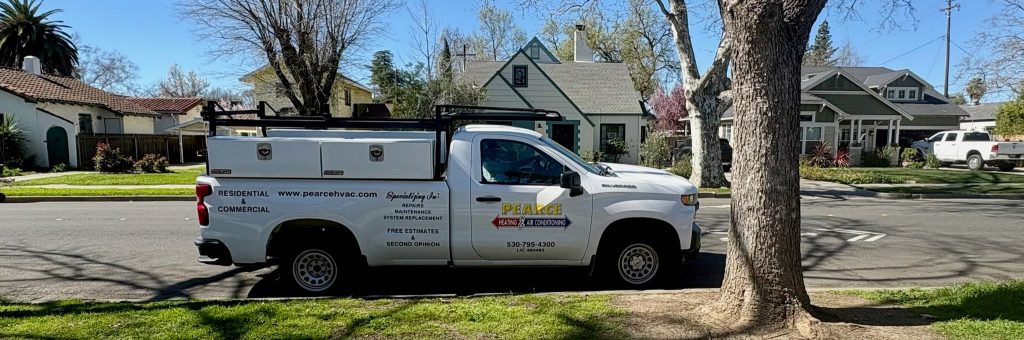
Regular maintenance keeps a heat pump water heater running at peak efficiency. Simple steps like cleaning the air filter, checking the evaporator coil, and looking for leaks keep operating costs low and extend the system’s life.
Skipping that upkeep can cost you in the long run, since dust and debris – a real factor with the Sacramento Valley’s agricultural dust – force the unit to work harder and use more energy.
How Long a Heat Pump Water Heater Lasts
Heat pump water heaters are known for their long lifespan and rugged build. They typically last 10 to 15 years, on par with or a bit longer than a standard tank water heater, and many keep performing well with good care. That makes them a smart pick if you want a system that lasts.
That longevity comes from their construction. Durable parts like the compressor, fan, and heat exchanger stand up to daily use, and the units are built to run in a wide range of settings, from warm and humid to cool and dry, which suits homes in most climates.
Some models add inverter technology, which keeps the system running more smoothly and eases strain on the parts, helping components last even longer.
Still, like any appliance, lifespan depends on daily use. Heavier hot water demand means more wear, and how the unit is installed and where it sits both matter.
For example, running one in a poorly ventilated or very dusty space can wear the parts faster – worth keeping in mind given local agricultural dust. Routine maintenance keeps things in good shape: check and replace filters, make sure wiring is secure, and catch small problems before they grow.
Most brands back their units with warranty coverage for peace of mind, often five to ten years on major parts and sometimes longer. A good warranty can help with repair costs if a compressor or fan fails.
Look for a model with a clear, long-term warranty. It lowers your risk and helps protect your investment.
Conclusion
A heat pump water heater is one of the most effective ways to cut water heating costs and energy use. The higher upfront price pays off over time through lower bills and available rebates, and most homes start saving right away. These units also need less upkeep than many standard tanks and last for years, so you get more value overall. To see what you could save, check your local electricity rates and current rebates. For numbers matched to your home, ask Pearce Heating & Air Conditioning for a quote in Winters or anywhere across the Sacramento Valley, and start cutting your water heating bills.
Frequently Asked Questions
How much can I save on energy bills with a heat pump water heater?
A heat pump water heater can cut water heating costs by up to about 60% compared with a standard electric tank. Your actual savings depend on local electricity rates and how much hot water you use.
Are there government incentives for heat pump water heaters?
Often, yes. Federal, state, and utility programs may offer rebates or tax incentives for an efficient heat pump water heater, but they change over time. Check with your local utility and energy agency for programs that are currently active.
What is the typical payback period for a heat pump water heater?
Most homeowners recoup the added cost over a standard heater in about three to seven years through lower utility bills and available incentives.
How long does a heat pump water heater last?
A heat pump water heater typically lasts 10 to 15 years, on par with or a bit longer than a standard tank water heater, especially with routine maintenance.
Are heat pump water heaters more efficient than traditional models?
Yes. A heat pump water heater uses far less electricity and is roughly two to three times more efficient than a standard electric tank.
Is installation of a heat pump water heater complicated?
It should be done by a professional, but it is similar to installing other water heaters. It does need more space and good ventilation around the unit.
What maintenance does a heat pump water heater need?
Clean the air filter regularly and check for leaks. An annual professional inspection keeps the unit running at its best – especially useful given the Sacramento Valley’s agricultural dust.