
Key Takeaways
- Knowing the difference between a base and a registered limited HVAC warranty makes it easier for homeowners to understand what their system is truly covered for. Read the warranty types and coverage before you buy.
- Manufacturer warranties usually cover parts for core components in systems such as air conditioners and furnaces. The length and terms of coverage can differ. Buying from authorized dealers ensures that you get genuine manufacturer support.
- Labor warranties won’t always take care of all of the repair costs, particularly if unapproved service providers are used. Labor may or may not be covered. Know the terms and use good technicians so there are no surprises!
- Extended warranties provide added coverage and assurance but can come with particular restrictions. Be sure to evaluate the cost benefits to make sure the extended coverage covers you.
- Routine maintenance and prompt warranty registration are important factors for keeping coverage. Maintain thorough documentation and adhere to manufacturer recommendations for continued warranty coverage.
- By going over the fine print and knowing typical exclusions, like damage from environmental events or modifications done without approval, homeowners can prevent denied claims and expensive fixes.
An HVAC warranty is a manufacturer or installer guarantee that covers specific parts, and sometimes labor, when your system fails from a defect rather than from wear or misuse. Most cover the compressor, coils, and heat exchanger for five to ten years, and they require registration, professional installation, and yearly maintenance to stay valid.
Coverage terms vary widely by brand, model, and installer, so the details in your certificate matter more than any general rule. For Sacramento Valley homeowners, that fine print is worth a close read: triple-digit summer heat pushes AC compressors hard and agricultural dust clogs filters fast, so the yearly maintenance most warranties require is also what keeps your system running through a Winters or Davis heat wave.
Warranty Types
There are various types of HVAC warranties, each of which has its own terms, coverage, and limitations. Understanding each warranty type and coverage enables buyers to make informed decisions and avoid protection gaps.
The table below breaks down the main warranty types and what sets each one apart.
| Warranty Type | Coverage Details | Typical Duration | Distinctions |
|---|---|---|---|
| Standard/Base Limited | Defective parts only | 1 – 10 years | Registration may extend coverage |
| Registered Limited | More parts, possibly longer coverage | 5 – 10 years | Requires timely registration |
| Extended | Parts and sometimes labor; add-on option | Up to 10 years | Costs extra, may have limits |
| Labor | Labor for repairs and/or installation | 1 – 5 years | Provided by installer or as add-on |
| Heat Exchanger | Heat exchanger part only | 10 – 20 years/lifetime | Often longest part-specific coverage |
| Compressor | Compressor part only | Up to 10 years | May outlast standard parts warranty |
| Home Warranty Plan | Multiple systems/appliances, including HVAC | 1 year (renewable) | Broader, covers more items |
Manufacturer
A manufacturer warranty is the default coverage that accompanies most HVAC systems. It can cover big-ticket items such as compressors, coils, heat exchangers, and internal parts that break from factory defects.
These warranties traditionally range from five to ten years, with heat exchangers and other components sometimes covered for up to twenty years or a lifetime. Factors like proper installation by a certified dealer and prompt product registration, typically within 60 days, can determine the duration and effectiveness of this warranty.
If a system goes down because of a manufacturer defect, the warranty usually covers the replacement parts, but not necessarily the labor involved in installing them. That is, buying from an authorized dealer is key. It guarantees complete manufacturer warranty coverage, which may not be accepted if equipment is purchased from unauthorized dealers.
Labor
Labor warranties address a hole in most manufacturers’ warranties. They pay for the labor required to fix or replace components, which includes technician time and travel.
A labor warranty typically covers one to five years and is frequently provided by the installer rather than the manufacturer. Extended labor warranties last longer, potentially as long as ten years, and can be purchased as an add-on.
Labor warranties typically require the exclusive use of authorized service providers. If repairs are made by unauthorized personnel, the warranty could be voided. If you miss these steps, labor costs can escalate quickly and will not be covered, leading to out-of-pocket expenses.
Extended
An extended warranty pushes coverage long past the normal period. This extra coverage can cover both parts and labor, sometimes for as long as a decade. Homeowners frequently select long-term warranties for comfort, knowing that significant fixes or replacements won’t cause huge surprise expenses.
When considering price versus value, see if the warranty covers all components, labor, or just parts. Most extended warranties will not cover items deemed to be wear or require maintenance.
Check the details for any restrictions, such as limits on claim amounts or repair-authorized providers. Match these to your personal risk tolerance and the price of probable repairs.
Coverage Details
HVAC warranties cover parts, labor, and workmanship. It varies by system, brand, and installer. Understanding what’s covered keeps you from incurring undesired expenses and surprises. Depending on whether you’ve got central air, ductless, or a heat pump, the coverage can vary and papers like warranty certificates are crucial in knowing your protection.
1. Core Components
| Component | Typical Coverage Period | Notes |
|---|---|---|
| Compressor | 10+ years | Extended coverage common for major brands |
| Heat Exchanger | 20 years or lifetime | Often the longest coverage in a furnace |
| Standard Parts | 5 – 10 years | Includes motors, circuit boards, controls |
| Installer Warranty | 1 – 5 years | Covers installation issues, shorter than parts |
| Labor | Varies (1 – 5 years) | Sometimes not included, check specifics |
Central air units, ductless mini-splits, and heat pumps all cover the core components: compressor, coils, fans, and control boards. Ductless systems might have unit warranties. Central systems might have pooled coverage for the system.
The age and previous maintenance of the equipment are important. Warranties on older systems might be restricted or voided. Routine check-ups, often mandated yearly, help maintain coverage active and can prevent minor problems from becoming major fixes.
2. Labor Costs
Labor is a line item all its own in the vast majority of HVAC warranties. Some plans have technician hours for the initial years, but some only cover components, leaving owners to foot the bill for tech hours. Labor can be a significant outlay, particularly for inaccessible parts.
If a compressor goes down, it is going to take hours to replace, and without labor coverage, expenses climb quickly. Labor warranty terms vary widely, so always check your terms before booking service. Some extended warranties include labor coverage, but you could have to pay an additional upfront fee.
Most labor warranties fall between 1 to 5 years, although parts might be covered even longer. Repairs after the labor warranty expires result in out-of-pocket expenses for the same work. Typical exclusions are after hour calls, travel fees, and incidental damage in service. Understanding these terms helps you budget and avoid surprise bills.
3. Manufacturing Defects
Manufacturing defect means a part broke because it was faulty, not because of wear, abuse, or neglect. HVAC warranties focus on these sorts of issues. Filing a claim means providing evidence, like maintenance records and snapshots of damage.
Maintaining your warranty certificate and maintenance logs is very important. Manufacturers will replace or repair faulty components. This can lag if papers are missing or inspections aren’t current. Sometimes extended warranties can provide additional years of protection for manufacturing defects.
Some brands even need you to inspect your unit annually to keep coverage active.
4. Component Lifespans
HVAC parts don’t all wear out at the same rate. Compressors and heat exchangers typically last 10 to 20 years, with their warranties following suit. Minor components such as fans and sensors might be covered for 5 to 10 years.
If a part fails within the warranty period, it is covered. If it breaks subsequently, repairs are the owner’s responsibility. Keeping tabs on how each piece performs and planning maintenance helps nip issues in the bud.
This maintains warranties and extends system life. Maintenance, such as cleaning filters and checking refrigerant, is often required to maintain coverage.
Maintaining Validity
To maintain an HVAC warranty, homeowners are aware that they should adhere to a series of simple steps provided by the majority of manufacturers. These are the things that keep you from painful mistakes that lose coverage. Adhering to warranty conditions and servicing requirements is important.
Below is a numbered list that covers what needs to be done:
- Record the warranty within the specified period post-installation, typically within sixty days.
- Get a good, certified technician to install it or you may void the warranty.
- Have yearly visits and maintenance to detect problems early and keep the system efficient.
- Maintain service records.
- Keep it valid, always with authorized service professionals.
- Keep up with all manufacturer-suggested maintenance according to the warranty.
- Keep your warranty registration and agreement.
Registration
Keeping your HVAC warranty valid is step one once you have it installed. Almost all companies require homeowners to complete registration in a timely manner, typically within 60 days. If you don’t do this on time, you risk losing coverage before you even require a fix.
It frequently requests vital information like model and serial numbers, installation date, and contact info. A few makers require invoice and installer certification.
Saving a copy of the completed registration is as crucial as completing it! Without evidence, it is tougher to assert warranty coverage down the road. If you skip or delay registration, the warranty might default to a shorter term or be voided altogether.
Installation
Most HVAC warranties require a professional installation by a certified contractor. This rule is in place because an incorrect installation can cause system malfunctions or bad operation that the manufacturers will not compensate for.
Employing an uncertified technician or a DIY installation typically results in an instant warranty void. If the install is substandard and the system breaks down, homeowners might be shelling out for costly reinstallations.
Certified technicians do not just get it set up right, they generate documentation you might be asked for during warranty claims. When you choose a reputable contractor, you are keeping your warranty valid and your investment safe for the long run.
Maintenance
- annual tune-ups and inspections to stay efficient.
- Replace or clean filters as recommended by the manufacturer.
- Check and clean coils, drain lines, and vents.
- Inspect electrical connections and refrigerant levels.
Maintaining validity is crucial. Keeping track of all service visits and repairs is a great way to keep on top of potential warranty claims down the road. Neglecting maintenance or scheduled service per the manufacturer can nullify the warranty, resulting in expensive repairs that are not included.
Certain plans mandate homeowners to utilize approved technicians, making it vital to verify service provider qualifications. Yearly maintenance contracts with authorized technicians contribute to continued system validity and simplify the warranty process.
Common Exclusions
HVAC warranties have some common exclusions. Understanding what’s not covered can help owners avoid surprise expenses and declined claims. These exclusions often center on who performs the work, how the system is maintained, and what external forces intervene.
- Issues caused by shoddy installation
- Not registering the unit within the specified time period.
- Lack of annual tune-ups
- Not following the maintenance schedule set by the manual
- Use of non-approved parts or unauthorized repairs
- Damage from environmental events, such as floods, fires, or power surges
- Problems due to third-party or DIY repairs
- Cosmetic damage or normal wear and tear
- Modifications not approved by the maker
- Commercial use if the warranty is for dwellings.
- Damage from pests, mold, or chemicals
The environmental factors can make a big difference in what the warranty covers. Among other things, many warranties don’t protect against damage from floods, heavy storms, or power surges. If you use your HVAC unit in an environment with high humidity, salt air, or dust, some manufacturers may list these as exclusions.
For example, if your unit in a coastal area rusts because of salty air, the warranty might not pay to fix it. That means owners should find out if their region has risks that could invalidate or curb the warranty.
It is key to know the fine print and all listed exclusions so you don’t get stung with big bills. Missing yearly tune-ups or not cleaning coils and filters as needed may void warranty. In fact, many claims are denied because owners skip these steps or miss a detail in the warranty.
Warranties frequently require evidence of routine maintenance; therefore, maintaining service visit and repair documentation is prudent. Not registering the unit within 60 to 90 days of install can leave the owner with less or no coverage. A claim is denied in most cases because of missed deadlines or bypassed service.
Modifications to the system impact whether the warranty remains in effect. Installing additional non-original manufacturer parts or allowing an unauthorized technician to perform work can jeopardize the warranty. Even small fixes, such as swapping a thermostat or laying down a new duct, can introduce issues if not handled by a professional.
Almost all makers require licensed contractors to perform all work, and employing third-party or DIY repairs is a quick means of voiding coverage. Even if it’s not related to that part, if you replace a part with one that is not approved by the maker, the warranty might not cover future repairs.
Warranty Pitfalls
Warranty pitfalls are one of those areas of HVAC ownership that can cause unexpected expenses and headaches. Most homeowners run into trouble with claims due to missed fine print, confusion over coverage, and warranty-voiding behavior, usually unbeknownst to them until it’s too late.
Fine Print
Reading the fine print in HVAC warranty paperwork is essential. It’s typical for contracts to have terms that restrict coverage, impose rigid demands, or enable the firm to bill extra fees for particular services. Some warranties cover parts, but not labor, or will not cover certain components if a system is serviced by a technician who isn’t authorized.
Install aftermarket parts or miss just one yearly certified maintenance and the whole policy is void, leaving the homeowner to foot repairs. They may indicate operating temperatures, and if you run the system outside of those, it can lead to denied claims. Wrong installation, say, not using a certified installer, tends to void coverage right away, no matter the other circumstances.
Being clear on what’s considered a claim, like providing records of professional tune-ups, can prevent wrangling. Glancing past this fine print can lead to wallet-draining confusion if coverage is refused on the basis of technicalities a homeowner overlooked.
Modifications
Swapping out parts of an HVAC system is one of the easiest ways to void your warranty. Many manufacturers need written authorization before even small modifications, such as upgrades or add-ons. If a homeowner installs aftermarket parts or attempts a DIY fix, coverage could be voided for the entire unit, not just the modified component.
A warranty specialist or manufacturer’s rep should always be consulted prior to making changes. It clears up whether or not the proposed change is supported or risks voiding the system’s warranty. Unauthorized repairs, even those done by a skilled local technician, can result in voided coverage.
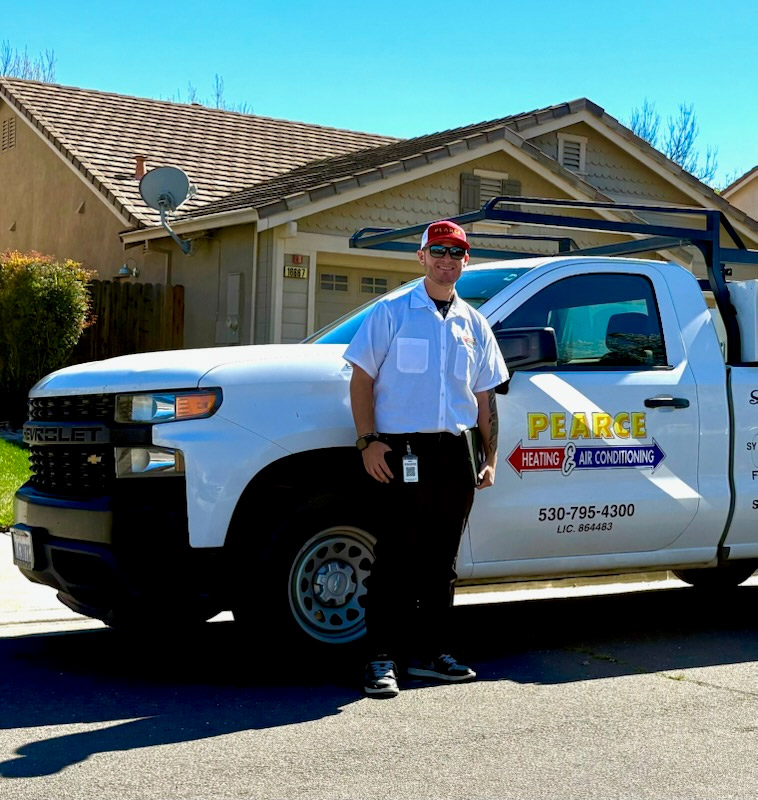
Almost all warranties demand that any repairs and service be carried out by manufacturer-approved technicians, and falling short here can mean covering the costs of subsequent malfunctions yourself.
Transferability
While transferring an HVAC warranty when selling a home can add value, it is not always easy. Most warranties are only transferable by filing a transfer request within a certain time frame after the sale, occasionally with a transfer fee that varies from low to high depending on the manufacturer.
If new owners miss the transfer window or don’t pay the fee, then the warranty lapses and they’re left unprotected. Sellers, you want to give full warranty information, service history, and documentation of authorized service to buyers.
This transparency aids in avoiding disputes and potentially makes a property more marketable to buyers who appreciate the peace of mind that the system will be covered if something goes awry down the line.
Environmental Impact
HVAC warranties aren’t all about repairs or part swaps. They influence how systems impact the environment. Whether it be the type of system covered, the parts protected, or even the care routines scripted in the warranty, they can all contribute to reducing energy consumption and waste. Warranties occasionally steer purchasers in the direction of green options, and that can alter the amount of damage or benefit these systems cause over their lifetime.
Warranties typically back upgrades to energy-efficient units, like heat pumps that consume less power and emit less waste. This is significant for both expense and the planet because these setups can output as many as four times the energy they consume.
Some warranties now cover or even require environmentally friendly refrigerants such as R-32 or R-454B. They have a significantly lower Global Warming Potential than older ones like R-410A, which has a Global Warming Potential of 2088. By comparison, R-32’s Global Warming Potential sits around 675, and R-454B’s is even lower. Using these can reduce the damage that leaks and disposal create.
Warranties might not cover obsolete refrigerants. For example, Freon is no longer manufactured or imported, so it isn’t included in new schemes. This nudges users toward greener picks, which helps reach EPA goals to cut high-GWP refrigerants by 85 percent by 2036.
Others incentivize routine inspections and cleanings, which prolong systems. When HVAC units stay well-kept, they break down less and get replaced less. That’s less waste in the landfill and fewer resources to manufacture new components.
Generating electricity for electric furnaces still consumes energy. These units have a 100% AFUE. They convert all their fuel to heat, but the source of the electric power still counts for the planet. Gas furnaces can reach up to 98.5% AFUE, releasing just 1.5% as waste.
The EPA’s high-GWP phaseout could alter future repair or swap costs. Warranties covering newer, safer refrigerants protect consumers against these transitions.
Makers hold a lot of sway in how eco-friendly an HVAC is. Others provide longer plans on energy-efficient or environmentally friendly models, which can influence purchasers to select these instead of less green alternatives. Moves like this pull the entire market in the direction of healthier habits, not just for its users but for the planet.
Conclusion
They assist with repair or swap costs should the system fail. Most brands will enumerate what they cover and what they skip, such as filters or damage from bad installs. Keep the warranty intact by scheduling routine checkups and hanging on to all the paperwork. Beware of what’s not covered, such as misuse or missed maintenance. Warranties can save money and trim waste, but read the fine print and inquire before you select a plan. For the most savings and comfort over the long term, find out what covers your system’s warranty today and explore your options. If you have questions, ask your HVAC provider for explicit answers.
Frequently Asked Questions
What does an HVAC warranty usually cover?
An HVAC warranty typically covers parts, and occasionally labor, for repairs made within the warranty timeframe.
Are there different types of HVAC warranties?
Yes. Manufacturer warranties, labor warranties, and extended warranties each provide different coverage for your HVAC system.
How do I keep my HVAC warranty valid?
Adhere to the manufacturer’s maintenance schedule, utilize approved technicians, and register your product if necessary. Hang on to all your receipts and information for evidence.
What is not covered by most HVAC warranties?
Improper installation, failure to maintain the system, and environmental disasters such as floods are excluded from most warranties. Consumables like filters are excluded as well.
Can I transfer my HVAC warranty if I sell my home?
Certain HVAC warranties may be transferable to a new owner. However, you may be charged a fee and be required to inform the manufacturer of the change. So, check your warranty.
Why is regular maintenance important for my warranty?
Maintenance is typically a must to keep your warranty in play. Skipping it is one of the most common reasons warranty claims get denied.
How does the environment affect my HVAC warranty?
Environmental factors such as extreme temperatures, pollution, or salty air can cause damage that is not covered by standard warranties. Always read the exclusions in your warranty.