
Key Takeaways
- Tankless water heaters utilize advanced technology to heat water on demand. They provide superior energy efficiency over conventional storage tanks.
- They’re great as they can deliver unlimited hot water and take up less room, which is perfect for small homes or condos with average hot water needs.
- The high initial cost of tankless water heaters is often offset by cheaper long-term energy bills and their longer lifespan. Upfront investment and installation needs must be taken into account.
- There are output limits and potential temperature fluctuations that can impact homes with high or simultaneous hot water demands. It’s important to understand your needs and usage.
- For instance, tankless units should be descaled every 6 to 12 months in hard water areas to remove mineral deposits.
- Professional installation and a clear understanding of the warranty terms go a long way toward maximizing the benefits and lifespan of a tankless system.
Tankless water heaters trade a higher upfront cost, typically $800 to $3,500 installed, for lower monthly bills, two decades or more of service life, and hot water that never runs out. In Winters, Woodland, Davis, and other Sacramento Valley homes, the main downside is output limits: a single unit can struggle when several showers or appliances demand hot water at once.
The right fit depends on household size, daily hot water habits, and whether gas or electric service is available at the property. A single owner or small household in Vacaville, Dixon, Fairfield, or Esparto often does fine with one properly sized unit, while larger families running several showers and appliances back-to-back may need a bigger system, a second unit, or a professional load calculation before switching from a tank.
How It Works
Tankless water heaters heat on demand, not from a tank. They utilize intelligent, efficient systems that make an immediate response when a hot water tap is opened. This way, it saves the user energy and only expends what is necessary.
There are both gas and electric units available, and they can operate more efficiently depending on whether the technology is being used and installed.
The Technology
Tankless systems rely on heating elements, such as high-powered gas burners or electric coils, to heat water rapidly as it flows through the system. These elements can heat incoming water from as low as 65 degrees Fahrenheit up to a set delivery temperature of around 120 degrees Fahrenheit in seconds, depending on the temperature requested.
At the heart of a heat exchanger is essentially the energy transfer from the burner or coil to the water. Temperature sensors are crucial to output retention. They monitor water temperature in real time and transmit signals to increase or decrease burner intensity or electrical power.
This guarantees the water off the tap corresponds to what’s selected on the unit despite temperature fluctuations of the incoming feed. Tankless water heaters reduce standby energy loss, which occurs with storage tanks that maintain hot water around the clock.
When not in use, tankless models don’t waste energy heating, which can reduce energy consumption by 8 to 34 percent relative to conventional systems. This savings can add up over time, particularly in lower hot water demand homes.
Flow rate is critical for tankless efficiency. Most units deliver 2 to 5 gallons per minute. If the demand is above this threshold, for example, if you’ve got several showers and appliances running simultaneously, the water heater ends up falling behind and the temperature dips.
The Process
When a hot water tap or appliance activates, cold water flows into the tankless unit and activates the flow sensor. This sensor powers the heating mechanism, which is a gas burner or electric coil, and starts warming the water immediately as it passes through.
No tank heats water en route to the faucet. The waiting time for hot water varies based on the user’s distance from the heater and the system’s power. Gas models heat water quicker than electric ones, so they are a more natural choice for high-volume environments.
On colder days, the heating time could increase, as the water is colder to begin with and needs to be heated to a higher temperature. Professional installation is essential for optimal performance.
Wrong size or bad placement will result in either inconsistent water temperature or poor efficiency. For homes with high hot water demand, employing multiple tankless models or utilizing point-of-use versions can prevent depletion during times of intense use.
Advantages & Disadvantages
Tankless water heaters have both pros and cons. The table below summarizes the main pros and cons for quick reference:
| Advantages | Disadvantages |
|---|---|
| High energy efficiency | Higher upfront costs |
| Space-saving design | Output limitations |
| Endless hot water supply | Possible temperature fluctuations |
| Longer lifespan | Impact from water hardness |
| Reduced standby heat loss | Longer heating times in cold climates |
Knowing the specifics of each on this list will help you weigh your options. What really matters is how they align with your day-to-day necessities and practices. Considering both the short term and long term consequences makes your decision more actionable and enduring.
1. Energy Savings
Tankless water heaters are more energy efficient than traditional tank models, ranging in efficiencies from 80% to 99%. This translates into reduced energy drain and reduced bills each month. Moderate water households using hot water, in particular, can save 8 to 34 percent on energy use compared to tank systems.
For instance, a family that showers daily and runs a dishwasher may save towards the higher end, whereas single users may save less. Tankless systems reduce energy waste by heating water only when necessary, unlike tanks that maintain hot water continuously.
2. Space Savings
Tankless water heaters are compact and frequently wall-mounted, releasing floor space. This can be a huge assist in apartments or small homes where storage is at a premium. With no heavy tank taking up space, extra room is spared for other uses.
These heaters are well suited for cramped areas. If space is a premium, this should be a significant factor in your consideration.
3. Endless Hot Water
A tankless heater provides hot water as long as the tap remains open. It definitely comes in handy for families with hectic mornings or consecutive showers. There is no longer waiting on a tank to refill or warm up.
It’s great for soaking tubs or long showers to ease those routines along.
4. Longer Lifespan
Tankless units generally last 20 to 30 years, outliving tank models by 10 to 15 years. This extended lifespan goes a long way toward justifying the higher initial cost. In the long run, replacing and repairing less often can add up to real savings.
If you’re going to be in one house for years, the value is obvious.
5. Initial Cost
Purchase and installation of a tankless heater is approximately 25 to 50 percent higher than a tank model. Additional plumbing or electrical work can increase the costs even more. You may save in the future, so it pays to check with your budget and goals first.
6. Output Limitations
A single tankless unit can struggle if multiple taps or appliances demand hot water simultaneously. The majority have a flow rate of 2 to 5 gallons per minute.
In bigger homes, you will get cold water if more than one shower or a washer runs at the same time. For high-demand homes, you may need multiple units or a larger system.
7. Temperature Fluctuations
When multiple taps are on, it can cause the water temperature to fluctuate. There are controls on some of the tankless models to help, but heavy use can still cause shifts.
Understanding your family’s behavior will help you select a model with the appropriate features.
8. Water Hardness
Hard water accelerates mineral deposition, reducing efficiency and heater life. Periodic inspections and maintenance are required to keep things running.
You might want to add a water softener if you’re in a hard water region to preserve the heater. Testing your water first can spare you headache later.
Cost Analysis
Knowing the true cost of a tankless water heater includes more than just the sticker price. Buyers should consider both the initial and maintenance costs before they buy. When comparing tankless units to traditional tank models, households should smartly factor in installation, energy consumption, and maintenance over time.
| Cost Component | Average Range (USD) | Notes |
|---|---|---|
| Heater Unit | $400 – $1,800 | Varies by brand, size, features |
| Installation | $350 – $1,500 | Can increase with complexity, home layout |
| Permitting | $50 – $200 | Required in many areas |
| Monthly Operating | $0 – $40 | Depends on usage, local rates, fuel type |
| Total Installation Cost | $800 – $3,500 | All factors combined |
Juxtaposition of these costs across heater types assists buyers in understanding where their money goes and planning for both short and long-term expenses. Accounting for these specifics adds clarity and confidence to your decision.
Upfront Investment
Tankless water heaters are more expensive up front than standard tank models. The unit costs between $400 and $1,800, with installation adding an additional $350 to $1,500. Some homes might shell out $3,500 for a full install, depending on the job’s complexity. Moving gas lines, venting, or upgrading electrical can all increase the bill.
Installation permits are an extra charge, generally between $50 and $200. For those worried about the initial cost, most vendors provide financing. This means that buyers can amortize the cost and a tankless system suddenly feels more palatable to the budget.
Brand and system features can move the price range. Some premium brands or bigger box units might run you more but provide extended warranties or superior performance. Always tack installation costs onto the total, as this is an important portion of the upfront investment.
Long-Term Savings
A big selling point of tankless heaters is their reduced running costs. They merely warm water as required, which can trim energy expenses. For households requiring under 41 gallons of hot water per day, tankless units are 24 to 34 percent more energy efficient. This can translate to some serious savings, particularly in areas with steep utility rates.
These systems typically last around 20 years, compared to 8 to 12 years for tank models. Over time, lower monthly bills and fewer replacements can equal or even surpass the steep upfront costs. For some homes, energy bills have decreased by as much as a third, so the long-term value is obvious.
When comparing choices, it’s useful to consider the total life cycle cost. Calculate purchase, installation, and anticipated savings to determine the real cost.
Fuel Types
- Gas-Powered Units
- Pros: Higher flow rates, better for large households, lower operating cost if gas is cheap.
- Cons: Higher upfront cost, more complex install, may require venting.
- Electric Units
- Pros: Lower purchase and install price, simpler to set up, no venting needed.
- Cons: Higher running costs in areas with expensive electricity, not ideal for big demand.
Fuel selection is usually driven by what’s in the house and local rates. Gas units may cost two or three times as much as electric at the outset. Gas could be cheaper to run, but if a home isn’t already configured for it, that additional install work can make costs skyrocket fast.
Just be sure to shop around and weigh short versus long-term costs to make the best fit.
Ideal Scenarios
Tankless water heaters are best suited for households with consistent, year-round hot water demand. Their reduced size is a space saver, which is great for apartments or smaller homes. These units are more efficient, providing up to 34% savings over conventional models and delivering hot water instantly. Their true advantages demonstrate when paired with the appropriate family unit and way of life.
Household Size
Knowing how many people are in a household is paramount to selecting the correct tankless water heater. For a small family of 1 or 2, nearly any conventional tankless unit can keep up with the daily ebb and flow of time-efficient showers and loads of dishes or laundry.
Larger families, let’s say four or more, typically utilize hot water in multiple locations simultaneously. In these situations, one tankless unit might have a hard time if you all shower or wash clothes at the same time. For them, it’s wise to consider higher-capacity units or even multiple installs.
Certain families have separate units for bathrooms and kitchens for ease. Always check the manufacturer’s flow rate recommendations, typically listed in gallons per minute, and compare them to your maximum requirements. If you anticipate future updates, such as additional residents or a new bathroom, go with a model that can support the increased demand.
Water Usage
Understanding your own water habits is essential to optimizing a tankless system. Tankless heaters are most efficient when hot water is consumed in a continuous flow, like staggered showers, hand washes, or washing clothes at separate times.
If your household tends to use hot water in bursts, running several showers along with the dishwasher and washing machine all at once, a tankless unit may have to work overtime and can fail to keep up if it’s improperly sized. They’re great for idealistic situations, like solo households or spacious showers, but in houses with chaotic parallel morning rituals or giant soaking tubs, one unit may not do the trick.
Conversely, more flexible homes or those that use hot water intermittently will experience the greatest efficiency and savings. Prior to selecting a system, record your hot water usage over the course of a week. Note peak usage times and the number of fixtures operating simultaneously. This step prevents flailing and ensures the system meets your actual needs.
Climate Impact
Local climate affects the efficiency of a tankless water heater. In colder locations, the incoming water can be significantly chillier, meaning that the heater must do more work to provide water that’s warm enough. This can slow the flow or need a more powerful unit.
A few models are designed for these climates and can warm higher volumes, but be sure to review spec sheets for minimum water temperature and output. In warmer climates, tankless heaters can operate at their most efficient, as they don’t have to heat water as much.
If you live where winters are severe or where groundwater dips below 50 degrees Fahrenheit, opt for a unit designed for cold climates. Ideally, seek out models that specify their coverage at the coldest anticipated temperature in your region.
The Human Factor
Replacing a conventional tank water heater with a tankless setup does alter how you utilize hot water at home. This shift impacts daily life, from how many machines operate simultaneously to the manner in which family members schedule showers or household chores. Unlike tank models that store water and keep it hot at all times, tankless heaters produce hot water as needed, which has its advantages and disadvantages. Different homes and habits mean that these systems work better for some users than others.
Lifestyle Adjustments
There is a bit of a routine shift that comes with transitioning to a tankless water heater. With tankless, simultaneously running multiple hot water appliances like the shower, dishwasher, and laundry can max out the system. This could result in tepid water if usage exceeds the heater’s capacity. Very active, high-volume hot water households occasionally require two or more units to keep up.
Individuals who have intermittent hot water requirements or small doses at a time can get by with just one unit and potentially save as much as 30% on energy over tank heaters. It just helps to get everyone in the house accustomed to the new hot water pattern. For instance, spacing showers or dishwashing keeps water hot and consistent.
In areas with severe winters and colder groundwater, homeowners might observe that it requires more time to achieve the proper water temperature. Discussing these quirks with family establishes expectations. To maximize a tankless system, avoid overlapping hot water tasks. Stagger laundry or dishwashing loads; this can help.
If you can, schedule for peak times. Frequent discussions regarding hot water practices render the transition significantly more manageable.
User Experience
The majority of users observe changes shortly after switching systems. Tankless heaters supply continuous hot water provided that the demand is within the unit’s flow rate. When too many taps are open at a time, the water might not be as hot. For smaller households, most appreciate the fresh, constant supply, which is a big plus.
Bigger families could be disappointed if the heater cannot keep up, particularly on hectic mornings. In cold winter regions, certain users claim that water takes a while to reach temperature, which is annoying. Customer reviews and real-world feedback go a long way towards establishing reasonable expectations.
See Reviews to find out how various models deal with heavy use, colder weather, or eccentric home designs. It’s wise to read accounts from others in your situation pre-purchase. Many homeowners enjoy $65 to $110 annually in energy savings. The payback period can extend as far as a quarter century, making it necessary to balance long-term benefits with upfront expenses.
Our own habits have a major influence on contentment. Households that consume hot water sequentially are happier with tankless units. If you want multiple showers, laundry, and dishwashing going on at the same time, a tank system or several tankless units might be a better fit.
Installation & Maintenance
Tankless water heaters represent a new-generation solution for delivering hot water as needed. Their advantages hinge on proper installation and maintenance. Before investing in this technology, it’s important to understand installation steps, the value of professional help, and routine maintenance.
Professional Setup
Professional installation increases the chances of maximizing a tankless unit. Certified installers understand how to size a system for a home’s needs, consider local plumbing codes, and connect gas or electrical lines securely. They monitor flow rates, usually around 2 to 5 gallons per minute, which is just enough to satisfy household demand and ensures hot water delivery without overburdening the system.
It’s not about connecting pipes to install a tankless water heater. Local code usually requires permits and particular installation. A good installer steers clear of code violations, which may create safety or insurance problems down the line. Following best practices, professionals ensure that the system is not subject to heat loss, leaks or installation mistakes that may reduce the system’s life.
A professionally installed tankless system usually works more effectively and endures longer, up to 20 years with regular maintenance. Selecting a good installer can facilitate warranty claims, should issues surface later on.
Routine Upkeep
- Descale the System: Remove mineral buildup every 6 to 12 months, especially in areas with hard water. This prevents limescale from blocking pipes and heat transfer.
- Clean the Filter: The inlet water filter needs cleaning to keep debris from entering the system.
- Inspect the Venting: Check for any blockages or leaks in vent pipes to ensure safe operation.
- Annual Servicing: Have a qualified technician inspect the system each year. They will detect minor problems before they turn more serious and make sure they are operating at peak efficiency.
Skimping on the mundane can bring you down with less than optimal performance or expensive repairs. Mineral build-up, if not controlled, reduces flow rates and makes the heater work harder, shortening its life. Tankless units don’t corrode as easily as tank heaters, but they still require simple maintenance.
Putting a maintenance regimen in place keeps water hot and keeps running costs low.
Warranty Insights
Tankless water heaters usually provide warranties from five to fifteen years for defects in materials or workmanship. Other warranties might offer heat exchanger coverage and limited labor.
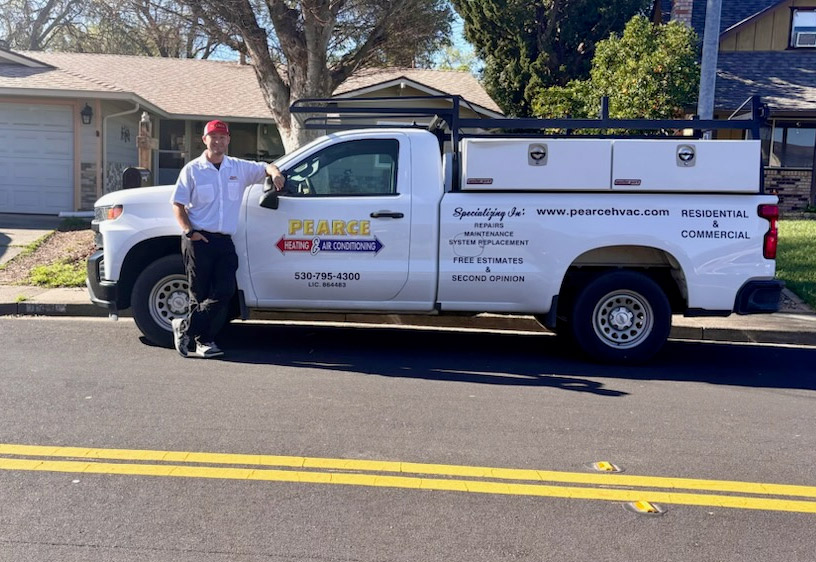
Reading the fine print matters. Most warranties demand evidence of annual servicing or installation by qualified professionals. Bypassing simple maintenance or using unlicensed installers may void warranties, leaving owners on the hook for surprise expenses.
Scheduled maintenance maintains the system longer and protects you under warranty. Prior to purchase, check what the warranty covers, what it doesn’t, and what could void it.
Conclusion
Tankless water heaters deliver hot water without the wait and without huge tanks. They take up less space and reduce wasteful energy. The initial cost is steep, but the bills tend to decrease over time. Simple houses or small apartments realize fast returns, but larger homes with more faucets may require larger or additional units. Maintenance seems simple, but a professional inspection annually keeps it running smoothly. Every home marches to its own drum, so the best fit depends on your needs and habits. To choose wisely, consider your space, water habits, and budget. To get ahead, inquire, shop around, and consult a professional before purchasing.
Frequently Asked Questions
How does a tankless water heater work?
A tankless water heater heats water on demand as it travels through the unit. It doesn’t have hot water sitting around. You have hot water when you want it and never run out while using it.
What are the main advantages of a tankless water heater?
Tankless water heaters conserve energy, provide unlimited hot water, and occupy less room. They outlive conventional water heaters and save you money on water heating expenses in the long run.
What are the disadvantages of tankless water heaters?
Tankless water heaters are more expensive upfront and require professional installation. They often can’t handle hot water from multiple outlets simultaneously, which is common in large households.
Is a tankless water heater more expensive to install?
Yes, a tankless water heater is generally more expensive to install than a conventional one. This is because of specialized equipment and potential upgrades to your home’s plumbing or electrical systems.
Who should consider a tankless water heater?
For small families, space-conscious homes or energy aficionados, tankless water heaters are a great option. They’re great for households where hot water is in use at varying times.
How long does a tankless water heater last?
Tankless water heaters usually have a lifespan of around 20 years. That’s much longer than most traditional water heaters, which tend to last 8 to 12 years with good maintenance.
What is needed to maintain a tankless water heater?
Requires regular descaling and cleaning to avoid mineral build-up. Expert annual maintenance maintains efficiency and extends the unit’s life.