
Key Takeaways
- Clicking air conditioning noises can be caused by mechanical and electrical problems, airflow issues, or regular operation.
- Routine care, like replacing dirty air filters and clearing debris, prevents and treats many common culprits of clicking.
- If you record the sound pattern, it can help you separate normal operational clicks from those that require attention.
- Storms, humidity, temperature changes and the like can be a culprit in causing clicking noises.
- If elementary fixes don’t solve the issue or if the clicking becomes constant, professional assistance is recommended.
- Tackling clicking noise promptly aids the safe and efficient operation of your AC system and can prevent bigger issues.
An AC clicking noise usually comes from a failing electrical part such as a relay, contactor, or capacitor, a loose mechanical component, or debris blocking airflow. A single click as the system starts or stops is normal. Rapid, repeated clicking, especially when the unit will not turn on, points to a fault that needs prompt attention before it strains the compressor.
In the Sacramento Valley, where AC units run hard through triple-digit summer heat and pull in fine agricultural dust, a small noise is easy to ignore but rarely fixes itself. Below, we break down the common mechanical, electrical, and airflow causes, the simple checks you can safely do yourself, and the warning signs that mean it is time to call a licensed Pearce Heating & Air Conditioning technician.
Why Your AC Is Making a Clicking Noise
Clicking noises in an air conditioner usually indicate an obvious reason, such as being part of normal operation or an impending malfunction. Whether the clicks are constant, occasional, or sporadic, they offer insights into what the problem might be. Mechanical and electrical defects, along with air flow issues, are often to blame. By understanding your unit’s design and being able to decipher the clicks of normal operation, you can catch issues early.
Mechanical Causes
Most mechanical clicks originate from worn or damaged components. Inspect the condenser fan motor for broken mountings or lost lubricant. Heat accelerates the degradation of lubricants, so motors can wear out or seize prematurely if left unchecked.
Loose fan blades or debris trapped inside the outdoor unit cause clicking, particularly when the fan kicks on or off. Check compressor mounts; vibration from loose mounts can generate rhythmic clicks that become more pronounced over time.
If your indoor unit rattles or vibrates, it’s smart to tighten any loose panels or parts. Regular checks and timely lubrication help keep strain off the system and stop clicks before they start.
Electrical Causes
Clicking noises that repeat every few seconds, particularly when there is no complete startup, usually indicate problems with relays, contactors, or capacitors. A defective relay switch could be jammed, or a control board issue could be confusing signal transmissions.
Either way, the clicking does not cease. Electrical arcing, which are small sparks that appear, can generate a sharp, quick click and indicate a significant safety hazard.
Faulty capacitors can’t store a charge and cause repeated clicking and occasionally buzzing. Yearly checkups spot weak capacitors and pitted contactors before they escalate.
Something Blocking the Airflow
When air flow is restricted, it can cause your AC to click. Sticks lying around the outdoor units restrict the air flow and make the fan start and stop with a click.
Return vents smothered by curtains or furniture inhibit airflow and cause weird sounds. Dirty air filters are the usual suspects. Change them regularly to maintain airflow and reduce noise.
Inspect ductwork for obstructions. A blocked duct may alter pressure and cause clicking to occur more often.
Clicks That Are Normal
Not all clicks are an issue. Certain clicks occur as a result of the normal cycling process, such as when the compressor kicks on or off. Little clicks at startup or shutdown are okay.
It helps to be familiar with your system’s normal clicks so you can detect abnormalities. If a click is new, louder, or repeats without the machine starting, it might require attention.
Clicking by Unit Type
Central, window and portable AC units all have their own sound signatures. Central systems could click at the thermostat or contactor, and window units could click from the fan or motor.
Mobile units can click as internal components settle or when the compressor cycles. Understanding your model lets you determine whether a click is harmless or a warning sign.
Compare to the manual or consult a technician if in doubt.
Environmental Influences
Air conditioners do the trick in all sorts of locations and climates. The outside environment is a significant factor in how they operate and what noise they generate. When your AC begins clicking, the environment can play a part too. These environmental influences affect the operation of the internal and external components of the unit and can cause noises indicative of an underlying issue.
Seasonal storms can really stress outdoor units. High winds fling leaves, little sticks or even dust into the works. If a twig or leaf catches near the fan or coil, it will knock against moving parts and make a clicking or rattling noise. Heavy rain can flush dirt and debris into the housing, causing the same problem. In storm-prone areas, this danger increases. For this reason, it’s wise to inspect the vicinity of your outdoor AC following rough weather, ensuring that nothing is impeding or in contact with the unit.
Seasonal maintenance, at least twice a year, once before the late spring rush and again in late autumn, can prevent a great deal of this trouble before it begins.
Humidity is another factor that can exacerbate clicking. In humid climates, this causes moisture build-up within the system. This can cause metal components to rust or seize. When parts adhere and then attempt to move, they can make an acute or continuous clicking noise. Moisture can cause electrical components to prematurely wear, resulting in buzzing or humming noises.
Using a cover when the unit is not in use and changing air filters every 1 to 3 months are simple measures that keep dust and moisture from causing trouble. A clean air filter maintains steady airflow and prevents the accumulation of dust and allergens that can overwork the system.
Temperature swings can alter an AC’s sound. They expand when it’s hot and shrink when it’s cool. These shifts can cause parts to rub or knock against each other, causing clicking. This is more often when entering or leaving the season as days and nights shift quickly. Rapid temperature fluctuations can strain aged components, making them more prone to snap or degrade.
If one component goes bad, it can strain others, causing new rattles and damaging your AC’s cooling capacity. Wind and air quality are important too. Wind can blow dust and litter into vents or coils. Bad air, such as high pollen or pollution, can clog filters and force fans to spin harder, which occasionally results in strange noises.
If your fans or motors are overexerting themselves, they can buzz, hum, or click. Dismissing these noises can cause larger, more expensive repairs down the road. Handling noise problems promptly when you first notice them makes the system run well and saves money in the long run.
How to Track Down the Clicking
Such a methodical approach aids in diagnosing why an AC is clicking. Your diagnostic toolkit consists of a trusty flashlight, flathead and Phillips screwdriver, a pair of insulated work gloves, and a sound recording device, such as a smartphone.
Make sure you always have a notepad handy to jot down observations. Throw in a replacement air filter, a soft brush for cleaning coils, and a handheld vacuum. Having a basic multimeter comes in handy if you’re comfortable testing electrical continuity.
This toolkit addresses crucial jobs, including swapping air filters, clearing debris, tightening mounts, and safely testing capacitors or contactors with the proper know-how.
Visual Inspection
Begin with a close examination of your AC unit. Look for cracked panels, missing screws, or discoloration that suggests overheating. Scan the wiring harness for loose or frayed wires, particularly near the control board or capacitor.
Loose wiring frequently clicks over and over as it attempts to power up. Check the outdoor unit and indoor vents for leaves, dust, or nests. Debris clogs airflow, causing fans or motors to work overtime and whirr weirdly.
Record any anomalies, such as oil stains or twisted fan blades, into your journal. This printout provides an excellent snapshot for you or a tech to follow.
Sound Analysis
It’s useful to record the clicking noise. Take out your phone or digital recorder. Listen for patterns: is the click steady or random, loud or faint? Match your recording against AC symptom sound samples.
Several HVAC manufacturer sites or forums host these. That way, it can help determine if you’re simply facing a typical relay click or a more serious hardware issue, like a failing capacitor.
A click at boot-up is usually typical. Rapid, repetitive clicking could be a pitted contactor or a stuck relay. Listen for other sounds, too. Buzzing or rattling with clicking can indicate more than one issue, like a loose fan blade and a weak capacitor simultaneously.
How to Fix an AC That Clicks
- Replace the air filter if it appears grey or congested. Changing the filter every 1 to 3 months keeps the coil from icing and reduces motor strain.
- Clean vents and outdoor condenser with a soft brush or vacuum.
- Reset the thermostat and check its batteries if clicks seem electric.
- Secure rattles and vibration by tightening panel screws and mounting bolts.
- Verify that all supply and return vents are open and unobstructed to allow consistent airflow.
Professional inspections once a year can catch worn-out capacitors or contactors before buzzing and clicking begin.
If your unit clicks but won’t start, turn it off immediately to prevent additional damage to the compressor.
The Sound of Safety
Clicking or buzzing noises from an AC unit are usually premonitory symptoms. They suggest problems from frayed electrical components to pressure accumulation within the mechanism. Turn a deaf ear to these sounds, and a minor issue can escalate into a full system meltdown, costing you more and stressing you out.
Typical culprits are weakening capacitors, pitted contactors, or loose relays. Though they may appear insignificant initially, they can cause overheating or harm adjacent components if ignored. The compressor, being the priciest piece, is particularly vulnerable. If the clicking repeats every few seconds and the AC does not start, that likely indicates relay trouble or a dying capacitor.
In hot climates, buzzing might indicate the system is under excess strain, putting immediate attention at more of a premium. Safety is always first. If the clicking or buzzing gets louder or sounds different than normal, turn off the AC immediately. This easy precaution can save you from electrocution or additional damage.
Annual inspections from a good technician can spot most electrical issues before they are expensive failures. For instance, a technician can look for pitted contactors or a capacitor that is on the verge of failure, both things that can be difficult to detect without the appropriate equipment. They check to make sure panels and mounts are tight, which cuts down on vibration and buzzing.
Here are some simple things you can do at home to avoid these sounds. Changing your air filters maintains consistent air flow, while raking leaves and debris away from around the condenser enables your unit to operate without added stress. Simply tightening loose screws on panels or mounts will prevent vibrations from becoming a loud buzz.
If the racket persists beyond these fixes, it’s time to call in an expert. Constant noises could indicate a more serious issue with the motor or electrical system and require professional attention. Turning a deaf ear to clicking or buzzing sounds can stress the compressor and other important components.
This can reduce overall system life and cause costly repairs or total replacement. Act in time and you avoid these dangers and keep your AC humming.
- Do: Turn off the unit if the noise is loud or odd.
- Do: Check and replace air filters as needed.
- Do: Clear debris from the condenser and tighten loose panels.
- Do: Schedule annual professional inspections.
- Don’t: Ignore clicking or buzzing noises that don’t stop.
- Don’t run the unit if you suspect an electrical problem.
- Don’t delay repairs for small issues, as they may get worse.
A Personal Take
Air conditioners can pull overtime, particularly in hot spots or summer peaks. Most homeowners have experienced strange noises from an AC at one point or another, a consistent ticking that is sometimes soft, sometimes deafening. Often the clicking begins small and subtle.
Over time, it becomes more apparent, growing louder every time the unit fires up. It is easy to dismiss at first, but the clicking often persists, increasing in intensity and frequency.
What feels small can quickly become a genuine problem. In many cases, the clicking points to a failing contactor, the component that turns the compressor or fan on and off. Left unchecked, this seemingly innocent noise stresses other components and can lead to a much larger repair bill.
This is not uncommon. All too often, homeowners discover, sometimes too late, that ignoring small noises can lead to complete system failures.
Routine upkeep is essential in preventing these issues from getting a foothold. Annual check-ups do more than just keep the air cool. They snare such things as weak capacitors or pitted contactors at an early stage.
These are clicky parts that can make ominous clicking noises when they begin to die. Cleaning the indoor and outdoor coils, testing the electrical parts, and checking for loose wires can nip many noises in the bud. They’re outside units, where wind, storms, and debris can create weird noises.
It is sensible to clear around the unit and inspect for any issues post-storm. Understanding how your AC works helps. You don’t have to be an expert, but being able to say whether the sound is internal or external, or occurs when the unit powers up or powers down can really go a long way.
This all allows a technician to get to the issue more rapidly and resolve it correctly the first time around. In hot, dry climates like the Sacramento Valley, where AC is not a luxury but a necessity, this sort of information saves both time and money.
Taking action is the surest path to preventing larger migraines. If you hear clicking, don’t hesitate! Even if the AC still works, that noise means something’s wrong. Little fixes are a lot less expensive than having to replace a big piece or the entire thing.
Just like scheduling regular service when nothing seems wrong keeps things running well and stops surprises.
Professional Intervention
When these rudimentary inspections don’t halt your AC clicking, it’s time to bring in a professional. Licensed HVAC technicians have the expertise and equipment to locate the underlying issue. They do more than hear the tone. They inspect the entire system, inspect wiring, test components, and identify wear indicators that are easy to overlook.
A clicking can indicate problems with the control board, relay switches, or the thermostat. Other times, it directs me to a bad capacitor or contactor. Not quick hacks. It’s got to be trained hands and the proper equipment to tamper with electrical components responsibly. If the noise recurs or occurs when the unit powers on or off, this may be indicative of a larger issue. Tiny pieces within the AC can wear down over time. If ignored, a little click can escalate into a crash, and those are more expensive to repair.
A professional HVAC crew verifies hundreds of items during a service visit. They seek out loose wiring or burnt contacts. Other clicking sounds can emanate from a defective fan motor or a stuck contactor. If there’s a refrigerant leak or the refrigerant is low, a pro can detect and repair it.
These are not trivial problems that can be ignored or tolerated, as they can damage the entire ecosystem. Yearly check-ups keep you one step ahead of issues. A weakening capacitor or pitted contactor can begin to buzz or click prior to the A/C ceasing to operate. A technician’s regular inspections can ensure that the noise doesn’t become a bigger issue. This means less risk of an expensive breakdown when it’s frying outside.
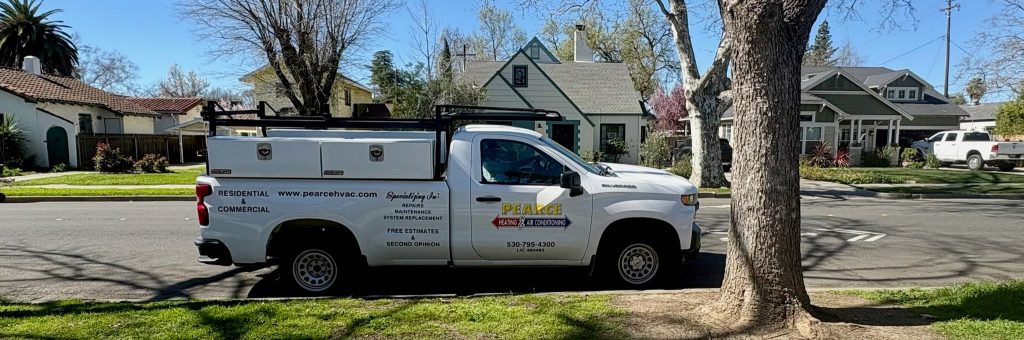
Early warning signs like clicking are an opportunity to intervene before any real harm is done. A service appointment usually includes a complete system inspection. That means cleaning, tightening connections, and testing all moving parts.
Maintenance keeps your AC running smoothly, prevents new noises, and extends its lifespan. When electrical components burn out within the unit, clicking is frequently the initial indicator. Repairing these components isn’t safe or straightforward for the majority. Only a certified technician should touch high-voltage components or refrigerant.
Professional intervention, when you need it, keeps the system silent, safeguards its performance, and ensures you can rely on it when you need cool air.
Conclusion
Clicks can mean many different things with your AC. Some fade as the system warms up in the dry summer heat, while others point to loose parts or the need for professional attention. A glance at your room, a verification of the controls, and an ear to the noises can go a long way. Dust, weather, or an old switch might be the culprit. Most people recognize the symptoms and stay chill year-round. A pro can repair most stuff quickly if it gets complicated. Easy to implement action saves frustration and headaches, regardless of where you call home. To keep your AC in good shape, stay tuned, ask questions, and consult a tech if something seems amiss. Your comfort is important to us every day.
Frequently Asked Questions
Why is my AC making a clicking noise?
Clicking generally indicates a relay or control activating or deactivating. Other times, it indicates a loose part or a faltering electrical component. Prompt attention keeps it from becoming a bigger problem.
Is a clicking AC dangerous?
Most clicking isn’t dangerous. It can indicate an electrical issue. If the clicking noise is continuous or the AC doesn’t start, turn it off and call a professional for safety.
Can weather cause my AC to click?
Yes. Cold and heat or humidity and debris can cause your AC to click. The elements occasionally mess with moving pieces or electrical hookups.
Should I try to fix the clicking noise myself?
Easy stuff, such as removing debris around the unit is okay. If the noise originates inside or around wiring, have a professional come over to prevent harm or destruction.
When should I call a professional about a clicking AC?
Call in a pro if the clicking is loud, continuous, or if your AC is not functioning correctly. Pros can safely troubleshoot and repair electrical or mechanical problems.
Can regular maintenance prevent clicking noises?
Yes. Regular servicing can identify loose or worn components early, before they start clicking. Regular inspections keep your AC quiet and reliable.
What tools can I use to check a clicking AC?
A flashlight assists you in finding loose parts or debris. For anything electrical, be careful and leave repairs to professionals. Safety is a priority.