


Key Takeaways
- By definition, whole house ventilation exchanges indoor air with outdoor air to control pollutants, humidity, and temperature. Homeowners should prioritize meeting minimum ventilation rates in living and sleeping areas.
- Whole house ventilation options compared: Choose the right system for your climate and home tightness by weighing exhaust-only, supply-only, balanced HRV, and balanced ERV options against energy use, humidity control, and installation complexity.
- Implement local exhaust in kitchens and bathrooms and combine ventilation with supplemental systems such as dehumidifiers, humidifiers, or air cleaners to tackle specific air quality concerns.
- Size it and integrate it with your existing HVAC and ductwork during design or retrofit so you’re not under-ventilating or wasting energy. Insulate or seal the ducts as necessary.
- Bring down operating costs with energy recovering balanced systems when applicable and employ timers or smart controls to fine tune run times and seasonal settings.
- Maintain performance with annual tasks like cleaning or replacing filters, inspecting fans and ducts, and servicing HRV/ERV heat exchangers and condensate drains.
Whole house ventilation options compared is a comparison of natural and mechanical fresh air systems, including energy consumption, installation cost, maintenance requirements, and impact on indoor air quality.
Supply, exhaust, balanced, and heat-recovery ventilators are discussed, with usual performance factors and climate considerations.
I hope this helps you select the right option for your comfort, health, and energy efficiency.
Ventilation Fundamentals
Ventilation basics ventilation 101 whole home ventilation is the systematic exchange of indoor and outdoor air to preserve good indoor air quality. It exchanges stale indoor air for fresh outdoor air to dilute contaminants, control moisture and assist in thermal comfort. Good ventilation controls pollutants, moisture and temperature to safeguard occupant health and building longevity.
Core components include supply vents, exhaust vents, ductwork, and mechanical fans. Systems fall into four primary types: exhaust, supply, balanced, and energy recovery. There are three main strategies for whole-home ventilation: mechanical, natural, and hybrid, each with different implications on comfort and energy consumption.
Air Exchange
Air exchange replaces stale indoor air with fresh outdoor air, diluting pollutants and reducing concentrations of carbon dioxide and VOCs. Minimum ventilation rates are important. ASHRAE provides a guideline of 7.5 CFM per person and 3 CFM per 100 square feet.
ASHRAE Standard 62.2 offers residential requirements that include dwelling-unit ventilation, local exhaust, and source control. Mechanical always delivers airflow. Passive or natural depends on the weather and how open things are. Balanced systems, such as supply and exhaust together, provide predictable rates.
Energy recovery ventilation (ERV) or heat recovery ventilators (HRV) transfer heat between supply and exhaust air. This reduces heating expenses by preconditioning supply air.
| System type | Typical air exchange rate (ACH) | Notes |
|---|---|---|
| Natural ventilation | 0.2–1.0 ACH | Highly variable; depends on openings and wind |
| Exhaust-only | 0.5 to 1.5 ACH | Simple, cheap, can depressurize building |
Ventilation basics include supply-only systems that achieve 0.5 to 1.5 air changes per hour. These systems pressurize the building and filter incoming air.
| Balanced (HRV/ERV) | 0.5 to 1.0 ACH | Stable, recoups heat or moisture by design |
Pollutant Removal
Ventilation eliminates indoor pollutants like VOCs, allergens, carbon dioxide, dust, and cooking fumes through dilution and targeted exhaust. It’s not just about how much your space is ventilated, but how evenly. If you flush one room with fresh air, but the rest of your space is lacking, those zones are under-ventilated.
Local exhaust ventilation in kitchens, bathrooms, and utility rooms attacks the highest-pollution sources at their origin. Range hoods, bathroom fans, and dryer vents keep contaminants and moisture from infiltrating the rest of the house.
They do not combat common indoor pollutants that effective systems remove, like dust, pollen, mold spores, VOCs from finishes and cleaners, carbon monoxide, or cooking-generated particles.
Moisture Control
This is critical to control indoor humidity because it’s the main factor in preventing mold and maintaining 30–50% humidity for health and comfort. That’s where balanced ventilation comes in – it replaces moist indoor air with usually drier outdoor air.
Some ERVs can transfer some moisture to prevent over-drying in winter. Dehumidifiers and humidifiers serve as supplemental systems when ventilation is insufficient to keep humidity within range, such as in certain climates where the humidity is extreme.
Keep tabs on indoor humidity with easy-to-use meters and tweak ventilation or add treatment to remain within guidelines.
Comparing Systems
Whole-house ventilation options fall into four main types: exhaust-only, supply-only, balanced (HRV), and balanced (ERV). All of them push air through a home in different ways, with trade-offs in energy consumption, moisture management, price, and appropriateness for house tightness and climate. Here are concentrated comparisons and pragmatic comments to aid in pairing a system with a house and its current HVAC.
1. Exhaust-Only
Exhaust-only systems vent indoor air via fans or dedicated vents, inducing negative pressure that draws outdoor air in through leaks and passive inlets. This approach is easy and inexpensive to install and operate, and is common where budgets or retrofit constraints are an issue.
One negative is potential depressurization which can suck in unfiltered outdoor contaminants such as dust, pollen, and car exhaust into the building envelope. Exhaust-only is great for mild climates and aging, leaky old homes where some unintentional air leakage is no big deal.
They work well, but performance depends on properly sized and located fans. Undersized or misplaced fans can leave rooms under-ventilated, and they rarely reliably control humidity, which can be an issue in damp or cold areas.
Remember ASHRAE guidance when sizing systems: 7.5 cubic feet per minute (CFM) per person plus 3 CFM per 100 square metres is a baseline standard to target.
2. Supply-Only
Supply-only ventilation forces fresh outdoor air throughout the home, resulting in positive pressure that generally restricts infiltration of unfiltered air from polluting sources. It can pre-condition air and is handy where there are outdoor contaminants at the base of the building.
Supply systems should be designed with care. In cold climates, they can bring in moist air that may condense inside walls if not tempered or filtered. Best practice is to tie supply ducts into the existing HVAC so fresh air is mixed and distributed efficiently through living spaces.
Supply-only systems might be less prevalent in very tight, new construction due to the fact that they do not capture energy from exhaust air and can add to heating or cooling loads.
3. Balanced (HRV)
Balanced systems with heat recovery ventilators have matched supply and exhaust flows, usually through two fans and two duct paths. HRVs transfer sensible heat between outgoing and incoming air streams, saving energy in heating-dominated climates.
They are for snug, energy-conscious homes and new construction where managed ventilation and minimal energy use are important. Filters and the heat-exchange core require periodic cleaning to maintain consistent performance.
Installation cost is moderate, and long-term savings depend on the climate and how your HVAC system interacts with your windows.
4. Balanced (ERV)
Energy recovery ventilators operate similarly to HRVs and transfer moisture in addition to heat, assisting in indoor humidity control in humid or extreme climates. ERVs reduce heating and cooling loads by preconditioning incoming air, but they can be more expensive to purchase and install than more basic systems.
Properly sized to occupancy and ventilation requirements, ERVs are one of two primary types of energy-recovery ventilators, the other being heat recovery ventilators (HRVs). The primary difference is the way the heat exchanger accommodates moisture.
Climate Considerations
Climate heavily impacts which whole house ventilation method will perform best and how it needs to be installed and operated. Temperature swings, seasonal humidity, and extreme outdoor conditions all alter system sizing, component selection, and control strategy. Below, useful points on how various climates influence ventilation, followed by specific advice to assist homeowners in tailoring systems to regional weather.
Cold Climates
Balanced systems with heat recovery (HRV) are preferred in cold climates since they pull fresh air in while recovering most of the heat from outgoing air, which cuts down on heating expenses. HRVs reduce heat loss that occurs when warm indoor air is exhausted. This comes in handy because winter ventilation can otherwise allow warm air to escape through cracks in walls and ceilings.
By insulating ductwork and sealing air leaks, you reduce unwanted heat loss and keep supply air closer to room temperature, lowering energy consumption and preventing cold drafts. Supply-only has the danger of introducing exterior air that increases indoor moisture or alters pressure differentials, resulting in condensation and mold growth on cold surfaces.
Keep an eye on indoor humidity to prevent excessively dry air during heating season, a culprit that can exacerbate respiratory symptoms. Simple humidifiers wired to relative-humidity sensors can help keep levels comfortably high without causing condensation.
Hot & Humid Climates
ERVs are most advantageous in hot, humid climates as they can exchange some latent heat, which is humidity, in addition to sensible heat, minimizing moisture ingress inside and thereby decreasing the cooling demand. In summer, ventilation can cool incoming fresh air a bit and reduce air-conditioning run time when outdoor air is cooler in the evening and night.
Exhaust-only systems can draw in humid outdoor air through cracks and openings and raise the indoor humidity level, leading to elevated mold risk and higher cooling energy demand. Homes with persistent moisture should include supplemental dehumidification associated with the ventilation system.
Combining ventilation controls with the air-conditioning system already in place keeps both systems striving toward the same temperature and humidity goals and prevents them from working at cross purposes.
Mixed Climates
Mixed climates require solutions that are flexible enough for both the cold and warm seasons. Balanced systems with adjustable settings, or hybrid systems that switch between balanced and demand-controlled modes, provide year-round efficiency. Programmable controls can reduce ventilation rates when outdoor conditions are harsh and increase them when conditions are mild, maintaining a balance between energy consumption and indoor air quality.
It’s a good idea to periodically check on your ventilation performance as local weather changes. By testing indoor air quality, humidity, and pressure relationships each season, it helps you tune your settings. A good system will maintain comfort and health even as temperatures or humidity fluctuate.
- Cold: HRV, duct insulation, humidity monitoring
- Hot/humid: ERV, dehumidifier, AC-integrated controls
- Mixed: Adjustable balanced systems, programmable controls, seasonal testing
Cost Analysis
Whole-house ventilation carries three main cost buckets: installation, ongoing operation, and maintenance. Upfront decisions and installation excellence define lifetime value. We analyze typical costs below, provide examples, and contrast system types to help you make an informed decision.
Installation
Installation costs are all over the map. Equipment alone generally begins at around $800 to $1,500 for complete systems, with budget ERVs and HRVs available at $350 to $500 and $300 to $500. Labor usually adds between $1,500 and $3,000; contractors tend to bill between $75 and $120 an hour. Total projects typically fall in the range of $1,500 to $10,000, with most installs gathering around $2,000 to $3,000 for medium sized jobs.
Cost drivers are home size, existing ductwork, complexity of routing and need for electrical or structural labor. New ducts or major electrical work add seven hundred to one thousand five hundred or more. Balanced systems (HRV/ERV) are typically more labor and control intensive, so their upfront cost is generally higher than straightforward exhaust or supply only fans.
Retrofitting an exhaust only or supply only system into an older house is generally faster and cheaper than installing a balanced system, though it may provide less control over indoor humidity and pressure. It turns out that proper sizing and placement of vents and ducts matter. A properly sized 400 ERV in a tight, well-sealed house will outperform a more expensive unit installed poorly in a leaky building. Schedule experienced commissioning to prevent that disconnect.
Operation
Energy usage is based on fan power, run time, and availability of heat or energy recovery. Exhaust-only fans consume less power, but they can introduce heat into or out of the house, increasing the HVAC burden. Good quality balanced HRV or ERV units employ fans continuously, but recapture heat or cool, reducing net energy loss.
Energy consumption ranges from a couple of kilowatt-hours for the smallest fans to a few tens for the larger continuous stack systems per month, depending on local climate and run schedule. Buoyed systems typically will display reduced operating costs over a number of years due to the reduced heating and cooling loads. Uncontrolled ventilation drives up utility bills.
Use programmable timers, demand controls, or smart thermostats to operate ventilation on an as-needed basis rather than continuously. Payback can be as little as five to nine years from energy savings and avoided moisture or mold repairs.
Maintenance
Regular maintenance consists of cleaning or replacing filters, inspecting and lubricating fans, examining ducts and seals, and clearing condensate drains. HRV/ERV units require heat-exchanger checks and gasket or drive-belt service from time to time. Neglect is a life-shortener and a pollutant.
Normal maintenance is every 3 to 12 months for filters, with yearly motor and heat exchanger inspections.
Maintenance checklist:
- Change or clean filters every 3 to 12 months. Note that you should record your filter type and MERV rating.
- Examine the fan motor and listen for strange noise. Tighten the mounts.
- Inspect ducts for leaks. Seal with approved mastic or tape.
- Flush condensate drains and inspect heat exchanger surfaces annually.
- Verify controls and timers; recalibrate airflow if needed.
Building Integration
Building integration marries whole house ventilation with the home’s structure, HVAC and occupancy so indoor air quality, energy use and moisture balance all come in sync. Thoughtful integration minimizes energy waste, prevents pressure imbalances that push moisture into assemblies, and defines a clear layout for duct runs, equipment siting, and control strategies before installation commences.
New Construction
Design ventilation into the earliest building schemes so ducts, fresh-air intakes, and ERV/HRVs fit unretrofitted compromises. With early planning, it becomes possible to have central ductwork in conditioned space, allowing the ducts to stay within the thermal envelope to minimize heat loss and the potential for condensation.
Balanced systems — energy recovery ventilators (ERVs) or heat recovery ventilators (HRVs) — typically work best for new, tight homes. They swap heat and some moisture between exhaust and supply streams, reducing heating and cooling penalties while keeping IAQ to ASHRAE residential standards.
Climate matters: in humid climates, an ERV that transfers moisture helps control indoor humidity; in cold, dry climates, an HRV preserves indoor moisture. Size ducts to design airflow. Undersized runs cause noise, high static, and poor exchange.
Work with heating and cooling designers so ventilation intakes steer clear of combustion appliances and so controls integrate with thermostats or home automation. Think passive vents into the design to provide low-energy airflows during low-occupancy time or even a bit of ventilation in a blackout. Confirm equipment access, filters, and condensate routing when designing to prevent later work that boosts costs.
Existing Homes
Retrofitting calls for creative routing when dedicated ductwork isn’t present. Start with a building audit: air leakage, insulation, and current HVAC layout. Seal major leaks and raise insulation levels first.
Otherwise, added ventilation can simply pull conditioned air outdoors and raise energy bills. Exhaust-only or supply-only systems often work as lower-cost retrofit options because they need less ductwork. For instance, a supply-only system can pressurize a home to reduce infiltration, while exhaust-only can be tied to timed or demand controls in high-use areas.
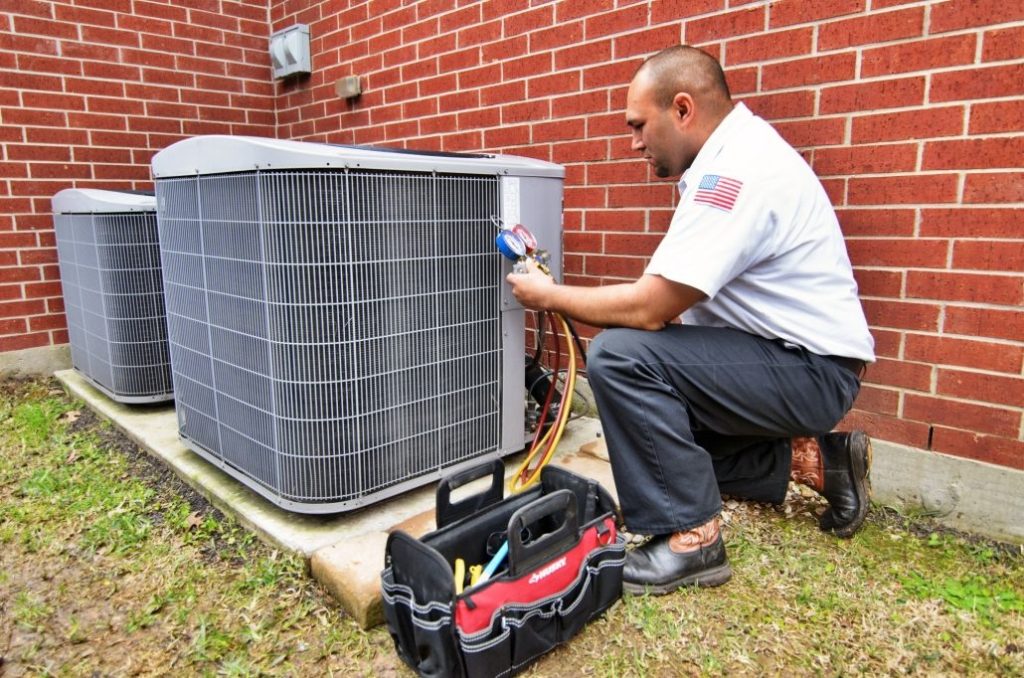
Check the current HVAC blower capacity and duct layout before tying in a ventilation unit. Many older furnaces or air handlers lack spare capacity and may need a separate fan or duct modifications. Where space is limited, consider compact ERVs that mount in utility closets or use short runs to central return trunks.
Assess climate and occupancy: retrofit choices that work in a mild, sparsely occupied home may be unsuitable in cold, dense households.
Holistic Air Quality
Good ventilation is a cornerstone of indoor air quality. A well-designed whole house ventilation system is front-line protection for a family’s health. Sources of indoor pollutants—biological materials like mold, pollen, dust and dander, secondhand tobacco smoke and combustion byproducts from stoves, furnaces, fireplaces and water heaters—need a layered control approach.
Track your indoor air quality year-round to catch any unacceptable conditions and take action before issues become large.
Supplemental Systems
- Dehumidifiers remove excess moisture to keep relative humidity in the 30 to 60 percent range and help stop mold growth.
- Humidifiers add moisture in dry climates or during winter to prevent overly low humidity that harms comfort and respiratory health.
- Air cleaners and filters remove particles like pollen, dust mites, pet dander, and some airborne pathogens. Opt for MERV-13 or higher for fine particle capture when compatible with the HVAC fan.
- Combustion safety devices include carbon monoxide alarms and proper venting for fuel-burning appliances to control combustion pollutants.
- Heat recovery ventilators (HRVs) and energy recovery ventilators (ERVs) move fresh air in and stale air out while recovering heat or moisture to limit energy loss.
Dehumidifiers handle excess humidity by pulling wet air over refrigerated coils. Condensate drips off and drier air recirculates. This reduces the potential for surface and hidden mold in walls and crawlspaces.
Humidifiers come in handy when indoor relative humidity dips below approximately 30 percent, assisting in the mitigation of dry mucous membranes and static electricity.
Wherever possible, combine add-on devices with the primary ventilation system. Shared control and interlocks allow exhaust fans, ventilation units and dehumidifiers to operate in coordinated cycles for consistent indoor conditions.
Occupant Behavior
Opening windows has a direct impact on ventilation rates and can help dilute pollutants. Its effectiveness varies with outdoor conditions and season.
Running kitchen and bathroom exhaust fans regularly takes pollutants where they’re created—cooking particles and bathroom moisture—and eliminates them instead of simply spreading through the house.
No indoor burning of solid fuels or smoking without strong ventilation creates heavy indoor pollution. Educate family members on the importance of ventilation, source control, and on-time filter changes. Minor habit shifts can produce major air-quality wins.
System Sizing
Size ventilation to home area and typical occupancy. A unit rated too small will under-ventilate and leave contaminants. A unit that is too large wastes energy and may interfere with humidity control.
Avoid generic rates and use precise HVAC load and ventilation calculations—ACH or L/s–pp—to set target ventilation rates. Balanced whole house mechanical ventilation can pull moist exhaust air while proportionally pulling in drier air, maintaining humidity in that sweet spot of 30 to 50 percent.
Develop or leverage an easy sizing chart or online calculator to assist homeowners in estimating needs prior to purchase and installation.
Conclusion
The correct whole-house ventilation option complements your home, climate, and budget. Heat-recovery ventilators conserve energy in cold or mixed climates and reduce heating costs. Energy-recovery units are advantageous in humid climates and reduce moisture load. Balanced systems provide consistent fresh air and maintain pressure neutrality. Exhaust-only or supply-only systems are less expensive but introduce comfort and control compromises.
For a sealed, modern home, choose a balanced system with heat or energy recovery. If you have an older, leaky home, a focused exhaust configuration can do the trick as you plot improvements. Obtain measured airflow data, align filters with requirements, and consult a professional for sizing and positioning of equipment. Small steps like adding timers, humidistats or better filters bring visible benefits quickly.
Compare quotes, check warranties, and choose the system that meets your climate, comfort, and cost goals. Consider a site visit and a simple test to confirm performance. Take the next step and request a local assessment.
Frequently Asked Questions
What is the simplest whole-house ventilation option for existing homes?
A supply-only system with one controlled fan is straightforward and inexpensive. It pulls in already filtered outdoor air and plays well with existing duct work. It is ideal when humidity and outdoor pollution are minimal.
How does an HRV differ from an ERV and which should I pick?
HRV transfers heat only. ERV transfers heat and moisture. Choose ERV in humid climates to reduce moisture load. Choose HRV in cold, dry climates to recover more heat.
Will whole-house ventilation increase my energy bills?
Properly designed systems with heat or energy recovery add a small net energy cost. Recovery units reduce heating and cooling losses, usually resulting in lower overall energy consumption than uncontrolled ventilation.
Can ventilation systems reduce indoor pollutants and odors?
Yes. Mechanical ventilation removes indoor pollutants by dilution and introduces fresh air. Combine it with filtration and source control for the best results against VOCs, pet dander, and cooking smells.
How do I choose ventilation capacity for my home?
Respect local codes or ASHRAE 62.2 for cfm per person and cfm per square foot. A good HVAC designer or energy rater can size the system just right to balance comfort, air quality, and energy consumption.
Is ventilation enough in very hot, cold, or humid climates?
Ventilation is helpful and may require climate-specific solutions. Energy Recovery Ventilators are suitable for humid climates, Heat Recovery Ventilators are appropriate for cold ones, and collaboration with HVAC is necessary for cooling or dehumidification in hot and humid regions.
Can I integrate whole-house ventilation with my existing HVAC system?
Yes. You can connect a ventilation unit to existing ducts or employ dedicated duct work. Integration increases control and efficiency. Employ a licensed contractor to verify all your ducts are properly sealed and that supply and return air are balanced.