
Key Takeaways
- Look for inconsistent room temperatures or systems that turn off early to setpoint as they frequently indicate thermostat wiring faults and short cycling. Check thermostat placement and wiring first.
- Watch for screen flicker, rapid clicking, phantom starts, or unsaved settings which point to unstable power, loose connections, or wiring shorts that can cause on and off cycles.
- Check for loose terminals, exposed copper, or a missing C-wire. Tighten, re-strip, or run a C-wire adapter to stabilize thermostat power and reduce cycling.
- Attend to airflow and rudimentary maintenance. Swap batteries, clean filters, and unblock vents to eliminate non-electrical causes of short cycling.
- It’s important to watch out for systemic damage indicators like compressor wear, burnt wiring, noise or escalating bills and turn it off if you detect burning smells or overheating.
- If short cycling persists after this cursory check, call a licensed HVAC technician for voltage and wiring diagnostics to avoid expensive equipment damage or a safety hazard.
Signs your thermostat wiring is causing short cycling in a Fairfield home are repeated on-off heating or cooling cycles that last minutes instead of normal run times. Bad wires are usually the culprit for temperature swings, short cycling, and high energy bills. Homeowners might observe the thermostat display fluttering or error codes. Easy inspections of loose connections and wire corrosion can help identify the cause before calling a technician for secure repair.
Recognizing Telltale Signs
Short cycling usually manifests as a cluster of telltale signs rather than an isolated incident. Here’s a checklist that breaks down the symptoms, why they matter, where they appear in the home, and how to test them. Each connects back to thermostat issues, but indicates additional reasons related to the heating system so you can eliminate the underlying cause.
- Irregular or uneven heating and cooling, with some rooms being too hot and others being too cold. Temperature gaps between your rooms can be anywhere from a couple degrees to 10 degrees or more, and larger gaps often indicate system or control problems. Check several rooms at various times during the day and compare temperatures to see if any rooms remain cold or warm even though the vents are open. A 15 to 20 minute run is typical for an efficiently running HVAC cycle, and short frequent runs do not allow heat or cool to circulate, resulting in those swings. Bad thermostat location, sensor malfunctions, or wiring mistakes that sporadically sever control signals generate staggered cycles and noticeable room-to-room differences.
- System shutting off before setpoint. If your furnace or A/C shuts off before it reaches the set point, wiring faults might be disrupting the call for heat or cool. This manifests as the unit shutting off while the thermostat still reads the set temperature. The house remains uncomfortable and homeowners might observe the system cycles in short bursts. Dirty air filters combined with obstructed airflow can cause premature shutdown, so eliminate those first. Stubborn early shutdowns with clean filters implicate control wiring or the control relays more highly.
- Excessive cycle rate and short cycling. If your system turns on and off every few minutes, this is a dead giveaway that it’s short cycling. Rapid cycling can increase your monthly bills even if your habits stay the same, and your bills might remain elevated until the problem is addressed. Hear the system starting frequently and monitor run times. Anything significantly less than 15 minutes per cycle is a warning sign. Wiring shorts, a failing thermostat, or a rogue control board can drive excessive cycling and cause early component wear.
- Visual and audible control faults include screen flicker and rapid clicking. See flickering or dimming thermostat displays, screens that reset, or blank screens mid-cycle. These symptoms indicate loose electrical connections or a wiring short. Rapid clicking from the thermostat or control board indicates relays or switches having a hard time holding. Error codes at startup or shutdown indicate electronic control problems. Recurrent problems typically indicate wiring repair or thermostat replacement.
- Phantom launches and lost preferences. The HVAC kicking on without being prompted or the thermostat not maintaining scheduled settings frequently connects to flickering voltage or wiring glitches. Phantom starts manifest themselves as brief, unnecessary runs that increase energy consumption. Not saved settings after power blips is memory loss in smart thermostats, which can be electrical not firmware. Watch for the need for frequent reprogramming after short cycling.
Inspect System Wiring
Before touching any wires, ensure the power is off at the breaker or system switch to prevent shock or damage. A visual inspection of the HVAC equipment can reveal issues like wear, corrosion, or improper routing that can lead to failures in heating or cooling. Familiarity with wiring diagrams and tools enhances accuracy, while a multimeter or wire tester is essential for verifying continuity or locating shorts. Regular checks can help prevent common causes of cycling problems in your heating system.
Loose Terminals
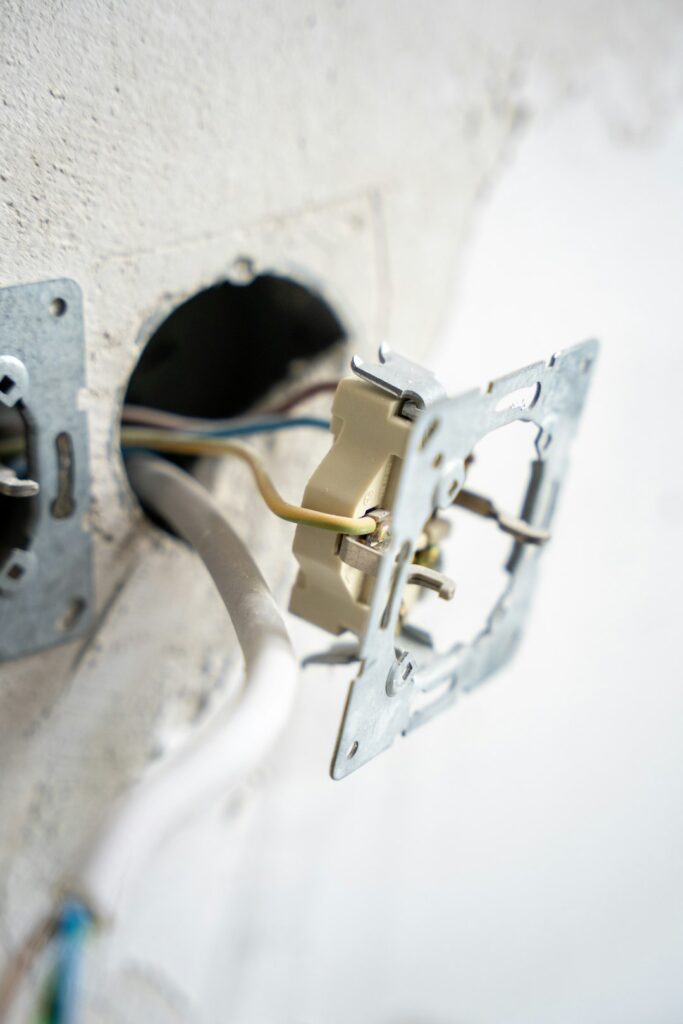
Tighten loose terminal screws at both the smart thermostat and the HVAC control board, as they can cause intermittent connections. Loose screws permit wires to shift and make bad contact, generating rapid on/off cycles while the control acquires and then loses a signal. Additionally, check for indications of arcing, such as black or brown discoloration and melted plastic near terminal blocks, which indicate repeated poor contact and higher resistance. Verify each wire is completely inserted and clamped beneath its terminal. Push the conductor in so that only the stripped end is under the clamp, then tighten to manufacturer torque if specified. After tightening, briefly restore power and use a multimeter to verify voltage and signal steadiness. If your readings jump, recheck those terminals and replace the terminal block.
Exposed Copper
Check the wires for exposed copper that might come into contact with neighboring wires or metal, potentially leading to short cycling issues. Even tiny nicks in insulation can bridge circuits under vibration or humidity, causing problems with your heating system’s performance. Trim back damaged insulation and re-strip only as much as necessary so that the least amount of copper is exposed at the terminal. For areas you can’t trim, cover with electrical tape or heat-shrink tubing. Replacing any wire with serious fraying or corrosion is essential to avoid repeated shorts and decrease the risk of failure during cold snaps.
Missing C-Wire
Check if your thermostat has a common wire or ‘C-wire’ as many smart thermostats require a constant power source to prevent drops. Without a steady common, the thermostat can brown out or reboot, resulting in HVAC short cycling issues. If you don’t have a C-wire, you may need to run one from the control board or utilize a system and thermostat specific C-wire adapter. We have found that simply running a new wire or adapter stabilizes the device and cuts down on false calls for heat or cool. Confirm compatibility, as mismatched wiring or adapters can introduce faults in your HVAC equipment, so follow the system wiring diagram and manufacturer guidance.
Systemic Hidden Damage
Systemic hidden damage is the silent killer, as short cycling-induced damage to HVAC components can accumulate gradually over time. These defects manifest as efficiency loss, increased operating expenses, and early breakdowns, originating from issues such as limited airflow, oversized furnace components, malfunctioning smart thermostats, or electrical leaks. If your heating system starts, runs for less than 10 minutes, then shuts off, it is likely experiencing short cycling issues. Signs, probable effects, and repair suggestions are outlined below.
Compressor Wear
Fast on/off cycles in your HVAC equipment cause acute mechanical and thermal stress to the compressor. When the compressor doesn’t reach steady-state temperature and pressure, issues like metal fatigue, oil foaming, and refrigerant slugging are more likely to occur. The unit may exhibit louder operation, struggle to start, or fail to maintain cooling, with hard starts and rising head pressures being tell-tale signs of strain on the compressor windings. This can escalate to compressor failure if left unchecked. To prevent problems, check thermostat wiring for loose or shorted leads, confirm proper refrigerant levels, and ensure the heating system is appropriately sized to the space.
High Bills
Short cycling lowers system efficiency and increases operating costs, particularly in HVAC equipment like heat pumps or air conditioners. Frequent starts pull more current than steady runs, causing these systems to consume 20% to 40% more energy if they are cycling too much. Tracking bills against the previous few months can reveal anomalies that do not correspond to weather changes, indicating underlying causes of inefficiency rather than outside forces. This leads to more idling, as increased run-start frequency both shortens run times and increases idle losses, manifesting as higher kilowatt-hour or gas consumption. To combat this, clean or replace clogged air filters, as doing so can cut AC energy use by about 5% to 15%. Additionally, schedule an annual maintenance visit to catch wiring and refrigerant levels faults, ensuring your smart thermostats are functioning properly.
Overheating, Soot, and Abnormal Indicators
Burnt wiring, melted insulation, or soot near panels and control boards may indicate overheating issues due to cycling problems and loose connections. Scents of burning plastic, humming, or incessantly tripping breakers are symptoms of electrical strain in the heating system. Mechanical noises like banging at startup, rattles in the blower, or compressor whining can suggest parts under stress. It’s crucial to record these observations promptly and combine them with run-time logging. Techs can cross-reference short runs with physical damage for triage on repair priorities, ensuring the longevity of your HVAC equipment.
Technician Perspective
Technicians start by looking at the heating system as a whole to figure out how a thermostat wire could cause short cycling. They understand that short cycling has many causes, including restricted airflow, wrong equipment size, dirty filters, and even issues with the flame sensor. They test each part to isolate the problem because the wiring can read ‘ok’ one minute and fail sporadically the next. This intermittent nature often leads technicians to suspect wiring or control issues instead of a single component failure.
They pursue a standard battery of diagnostic procedures and employ specialized instruments to verify each defect. Common actions are to test thermostat settings and calls for heat or cool, control board inputs and relay behavior, safety switches and run times under load. Technicians look out for voltage drops, relay chatter, or loose terminal screws that cause an intermittent open circuit. They check physical wiring for crushed conductors, bad splices, or even rat damage that can lead to short pulses or ghost signals.
| Diagnostic Step | Tools Used | What it shows |
|---|---|---|
| Thermostat output test | Multimeter, thermostat simulator | Proper voltage on R and control signals on W/Y/G |
| Control board check | Multimeter, clamp meter | Voltage supply stability, relay activation, error codes |
| Safety switch verification | Continuity tester, visual inspection | Tripped limit switches or float switches causing shutdowns |
| Voltage drop and short tracing | Fluke meter, tone generator | Intermittent shorts, high resistance connections |
| System runtime and load test | Stopwatch, temperature probes | Short run times, inadequate heat transfer, humidity issues |
Especialmente para fallas esporádicas emplean herramientas que capturan eventos transitorios. A data-logging meter or clamp meter measures current spikes or drops during the short cycle. A tone generator and probe can help you trace a short behind walls and without opening panels. Thermostat simulators enable techs to manually drive the system to isolate thermostat wiring issues from the control board or safeties. They test safety switches—high-limit, float, pressure switches—because a random trip resembles a wiring fault.
Technicians emphasize preventive measures. Clogged air filters are a frequent easy culprit for furnace short cycling. They inspect and swap them out first. Routine maintenance, including refrigerant checks, coil cleaning, and electrical tightening, can avoid many short-cycle culprits. They evaluate system sizing and installation, as oversized furnaces and poor duct design often lead to frequent on-off cycles and poor humidity control.
A timely repair from these inspections mitigates energy loss, noise, and early wear. This helps the system endure and perform efficiently, ensuring that the heating system operates smoothly during cold snaps and maintains a consistent room temperature.
Simple Troubleshooting Steps
Begin with a quick-hit checklist that steps through the most common, easy-to-hit, do-it-yourself tests to determine why a thermostat is short cycling. This quick checklist ensures you act quickly and sidestep unneeded tech support calls.
- Check runtime patterns and confirm short cycling: note if the air conditioner turns on and off every few minutes. Normal cycles last 10 to 20 minutes or so depending on home size, outside temperature, and thermostat settings. Short cycles can wreck the compressor if not addressed.
- Replace thermostat batteries or check low voltage: remove the faceplate and change batteries if the thermostat is battery powered. If new batteries don’t solve the problem, utilize a multimeter to measure the control voltage at the thermostat terminals. About 24 volts AC is usual. Low voltage can make the thermostat act erratically.
- Inspect thermostat settings and placement: verify temperature setpoints, system mode, and fan settings. Make sure the thermostat isn’t near heat registers, sunlight, or kitchen appliances. Improper settings or a hot spot can cause those annoying frequent on and off cycles.
- Clean or replace air filters and unblock vents: A dirty filter or blocked return vents restrict airflow and cause the system to overheat and cycle. Check filters monthly and replace them every one to three months. Verify supply vents are open and not obstructed by furniture.
- Check outdoor unit clearance and condition: keep at least 0.6 metres of free space (2 feet) around the condenser and outdoor unit. Clear leaves, debris, and vegetation that obstruct the flow of air. Damaged or dirty filters restrict air flow which causes pressure to increase and can lead to short cycling.
- Inspect visible wiring and connections: Turn power off at the breaker, then remove the thermostat cover and visually check for loose wires, corroded terminals, or damaged insulation. Tighten loose screws and swap out frayed wire if you can. If wiring appears smoldered or brittle, cease and call a pro.
- Resetting the thermostat and power cycle: If batteries and wiring look fine, try a thermostat reset per the manufacturer’s instructions, or switch off the HVAC breaker for 30 seconds and restart. Resetting can clear software glitches that lead to rapid cycling.
- Routine maintenance tasks include cleaning the condensate drain line and inspecting the drain pan for clogs or water buildup. Have an HVAC tune-up to check refrigerant charge and compressor health. A little regular TLC can keep tiny quirks from blossoming into hefty repairs.
Easy fixes such as swapping a filter or tweaking settings can be managed in minutes, whereas wiring or compressor issues should have you calling in the professionals.
Call Licensed Help
Short cycling that persists after easy checks requires a licensed HVAC professional. A quick homeowner triage—reset the thermostat, replace the air filter, check the circuit breaker—rules out low-hanging fixes. When those steps don’t prevent the unit from running a few minutes and shutting off, it’s time to call in licensed help. A skilled technician has the equipment and expertise to test electrical connections, control boards, refrigerant levels, and safety switches in ways that are not safe or feasible for most homeowners. Smart thermostats can often help identify these issues by providing data on system performance.
Calling licensed help safeguards both safety and the heating system. Today’s furnaces contain electrical components and, in the case of gas furnaces, combustion parts that can lead to injury or carbon monoxide risks if tampered with improperly. Don’t DIY wiring, gas valves, and control modules. Licensed technicians adhere to codes and use the appropriate test equipment, minimizing the risk of generating new faults or invalidating the manufacturer’s warranty. If you’re uncertain what is causing short cycling, a pro can confirm if it’s wiring, a bad thermostat, stuck relays, or even issues with the furnace itself.
Book a professional diagnostic to identify the root cause and stop the damage. A technician will run a sequence of checks: thermostat and wiring continuity, voltage at the unit, refrigerant charge, and run-time patterns. They can duplicate the short cycling and log run cycles to determine if the pattern indicates a failed control board, improper wiring between the thermostat and the system, or an oversized furnace that causes short cycling. Better diagnosis saves money by not swapping parts unnecessarily.
Respond immediately to stay ahead of higher expenses and hazards. Short cycling shortens system life, increases energy bills, and can place stress on the compressor, causing early failure. With gas furnaces, an undiagnosed error can heighten the risk of incomplete combustion and carbon monoxide danger. Regular calls to a licensed technician can catch short cycling-causing conditions early, ensuring your heating system operates efficiently.
Homeowners should be careful with knottier HVAC issues and call licensed help when in doubt. This minimizes risk, preserves warranties, and usually saves you money in the long run. Investing in smart thermostats can also provide insights into your system’s performance and help mitigate potential problems before they escalate.
Conclusion
Short cycling slashes comfort and blows up bills quick. Loose or wrong thermostat wires frequently create the cycle. Watch for those quick on and off runs, quick temperature swings, and scorch or burn marks in the thermostat and control board. Test the wiring with a basic multimeter check, swap in a new thermostat battery, and tape loose wires to determine if the run pattern stabilizes. Frayed wires, corroded terminals, or missing jumpers are issues that only a trained technician can fix to prevent repeat failures and safeguard the compressor.
See for a Fairfield home, local humidity and older systems increase risk. Maintain documentation of wiring work and service dates. Need assistance locating a licensed HVAC expert or require a wiring checklist? Query and I’ll provide vetted measures and a brief checklist to get you started.
Frequently Asked Questions
What is short cycling and how does thermostat wiring cause it?
Short cycling is when the heating system or AC unit keeps kicking on and off, often due to thermostat issues or faulty wiring that transmits inaccurate signals, leading to excessive restarts.
What are the most common wiring issues that lead to short cycling?
Typical HVAC issues include loose connections and corroded terminals, which can lead to intermittent signals or shorts in smart thermostats.
How can I quickly check if wiring is the problem?
Turn off power, pop open the smart thermostat, and check for loose, frayed, or corroded wires. Tight, clean connections and correct wire placement minimize the possibility that thermostat issues are to blame.
Could short cycling damage my HVAC system?
Yes. Repeated short cycles due to thermostat issues add wear on your compressor, fan motor, and other components, leading to potential HVAC equipment breakdown.
When should I call a licensed technician?
Contact a professional if you discover burned wiring, ongoing short cycling issues, or if you’re uncertain about electrical safety. We will diagnose wiring faults in your HVAC equipment and make safe repairs.
Is it safe to test thermostat wires myself?
Simple eyeball checking is safe with power off, especially around HVAC equipment like the furnace. Please don’t touch live wires or test with power on unless you’re trained.
How does fixing thermostat wiring improve home comfort and efficiency?
Proper wiring of smart thermostats eliminates short cycling, stabilizes temperature control, and saves energy, increasing comfort and reducing costs.