


Key Takeaways
- If your AC is blowing warm air, humming, has a delay in starting up, or has a swollen casing, it’s likely a bad capacitor.
- Cut power at the breaker and don’t touch anything because capacitors are evil little devils who store a potentially lethal charge. Wear insulated gloves and use proper tools when inspecting.
- Keep an eye on system operation on hot, humid afternoons. Heat stress forces more cycling and accelerates capacitor aging, so problems often emerge when the temperatures are highest.
- Have a good HVAC tech check the microfarad readings of the cap and other related parts, such as contactors and fan motors, for a safe, precise diagnosis and replacement.
- Regular maintenance, such as cleaning coils, replacing filters, ensuring clear airflow, and scheduling annual inspections, keeps your capacitors from having to work harder than necessary and saves you the headaches of an unexpected breakdown.
- If you notice burning odors, leaking, bulging, or smoke, turn the system off at the breaker immediately and call a professional to prevent fire or shock risk.
How to tell if an AC capacitor is bad on a hot afternoon in Dixon: check for slow or failed fan and weak cooling. There are several signs that can help you identify a failing capacitor, including humming, bulges or oil leaks, and a short run time on a hot day. Use a multi meter to read microfarads or check for repeated breaker trips. Local heat adds stress, so quick troubleshooting and easy component tests reduce extended downtime.
Component Role
An AC capacitor holds electrical charge and releases it in short, dense bursts to get those compressor and fan motors started and keep them going. In other words, it is a smoothing capacitor that stabilizes the current sent to the motor windings. When the thermostat demands cooling, the capacitor provides that jolt of power so your compressor and condenser fan can get past inertia and start up smoothly. Once operational, it provides constant phase shift and voltage assistance that keeps motors spinning.
A robust capacitor encourages consistent cool-down cycles and extends wear throughout the system. Good start and run support ensures that the compressor does not pull high current at startup, reducing wear on contactors, relays, and wiring. Less stress translates to less energy consumed in any given cycle and less heat spikes inside the outdoor unit. Over time, this helps preserve rated cooling capacity and keeps seasonal energy consumption closer to anticipated levels, which counts on hot afternoons when units run near nonstop.
A bad capacitor causes malfunction in obvious, escalating manners. Initial symptoms consist of sluggish or laboring motor spin, humming of the outdoor unit, and extended run-times with minimal indoor temperature drop. If the start function goes out, the compressor might not spin up at all, bringing the entire system to a halt. Partially failing capacitors can cause motors to run inefficiently, increase current draw, and trip protective devices. Running with a bad capacitor can ruin your compressor, resulting in costly repairs or replacement.
Main types of capacitors found in residential air conditioning units:
- Start Capacitors: These capacitors provide the necessary torque to start the compressor motor. They are only used for a short period during startup.
- Run Capacitors: These capacitors improve the efficiency of the motor while it is running. They remain in the circuit during operation.
- Dual Run Capacitors: These capacitors combine both start and run functions into one unit. They are often used in systems with both fan and compressor motors.
- Oil-filled Capacitors: These capacitors are typically used in larger systems and are designed to withstand higher temperatures and voltages.
- Electrolytic Capacitors: These capacitors are polarized and are commonly used in applications requiring high capacitance values.
- Start capacitors give a large burst of energy for initial motor startup and are used briefly during start.
- Run capacitors provide continuous phase support while the motor runs and keep things humming.
- Dual run capacitors combine two run capacitors, typically for fan and compressor, into one compact unit.
Capacitors fail due to a few typical causes. Heat is a big one; high ambient temperatures decrease the life of the dielectric. Voltage spikes and repeated power fluctuations accelerate the decline. Age alone will get you too. Most capacitors only last between about 8 and 15 years in typical usage. A failing capacitor can create a ripple effect: increased energy use, repeated tripping, and added wear on the compressor and control components, which shortens overall system life. With routine maintenance, such as cleaning coils, checking line voltage, securing connections, and visually inspecting capacitors for bulging or leakage, you can lengthen service life and lessen the risk of a mid-afternoon meltdown.
Telltale Signs
A dying AC capacitor throws up obvious, quantifiable telltale signs that come in handy on a scorching afternoon in Dixon or wherever. These are the signs that describe what’s going on, why it is important and where to find them. Telltale signs include checking airflow, hearing noise, startup, and capacitor casing and surrounding wires. Combine these with one another. One symptom on its own can indicate alternative problems such as dirty filters or blocked coils.
1. Warm Airflow
Warm air from your vents is the telltale sign of a bad capacitor. When the capacitor can’t provide that initial surge of power, the compressor may not get on and your system blows room-temperature air instead of cold. A bad capacitor can halt the outdoor condenser fan from turning, resulting in inadequate heat exchange and increased indoor heat. Before assuming the capacitor, rule out simple causes: check filters for dirt, clear any debris from outdoor coils, and confirm the thermostat settings. If those are good and the unit still blows warm, the capacitor is probably your bad guy, particularly if the system pauses for a few seconds before engaging or short cycles on and off.
2. Humming Sound
As a rule of thumb, a constant or louder-than-normal humming coming from the outdoor unit is your best indicator that the motor is attempting to start but the capacitor is weak. Motors pull more amps and whine when they grunt. Hearing clicking, buzzing, or a consistent hum throughout the cooling cycle usually indicates that your contactor or capacitor is about to fail. If humming is accompanied by a burning smell, shut it down immediately. Telltale signs of repeated humming with failed starts will shorten motor life and result in higher repair bills.
3. Delayed Start
AC delay, when the AC hesitates for a few seconds or won’t start at all, means the capacitor isn’t providing sufficient voltage to the compressor or fan. See how long the unit takes to start cooling after modifying the thermostat. If it flops over and over or won’t go at all, that’s the telltale sign of capacitor frailty. Short cycling, on and off every few minutes, is another telltale sign a capacitor can’t maintain an even current. Every time you attempt to power it on repeatedly, you’re adding unnecessary wear to other components and increasing the likelihood of an entire system failure.
4. Swollen Casing
Telltale signs Check the capacitor for a bulging, swollen, or cracked case. Physical distortion indicates internal failure and often comes before leaking or a burst. Signs of a leaky capacitor indicate that it’s dangerous and must be replaced. Compare the part to a new one to identify shape differences. A cracked capacitor can take out both the compressor and fan motor, leading to total system failure.
5. Burning Odor
If you notice a burning smell near your outdoor unit or electrical panel, it’s alerting you to an overheating capacitor or wiring. Turn off the breaker if you notice this to minimize fire hazard. Overheated capacitors can melt insulation and short. Check for smoke marks or discoloration in the capacitor cabinet as additional clues. Yearly upkeep catches a dying capacitor before these telltale signs show up.
Afternoon Heat Stress
Dixon’s hot, humid afternoons stress air conditioning parts, and cheap capacitors can crack under that pressure. Once the outdoor temperature rises into the upper 90s to above 100°F, the compressor and fan motors have to literally sweat to move heat out of your house. A borderline capacitor at nominal conditions becomes exposed when the system runs long cycles or starts more during peak heat. That breakdown presents itself as slow starts, humming, or a blower that runs but does not cool to the anticipated setpoint.
| Effect of Afternoon Heat | How it affects components |
|---|---|
| Longer run times | Motor windings heat more, insulation breaks down faster |
| More frequent starts | Start capacitors get strained, increasing chance of failure |
| Higher pressure in refrigerant loop | Compressor works harder, drawing higher current |
| Elevated ambient humidity | Condenser less efficient, increases compressor load |
| Short cycling risk | Thermal stress on electronics and mechanical parts |
Repeated afternoon cycling during peak heat stresses capacitors and other components, causing them to wear out faster. Every start puts a heavy electrical and mechanical load on the start/run capacitor. If the capacitor’s capacitance has dropped or its internal resistance has risen, the motor pulls increased current and the unit can trip breakers or the motor can overheat. Over days of heat, these little stresses accumulate and unexpected capacitor failure becomes more probable. This is not just theoretical: many technicians see an uptick in start-capacitor and run-capacitor failures during multi-day heat waves.
Track system performance more aggressively in hotter weather to nip issues in the bud. Be on the lookout for extended time to achieve temperature, indoor temps settling in the upper 70s °F despite being on continuously, odd vibrations, or audible humming during start-up. Sense if the outdoor unit is short cycling, which means it is turning off and on rapidly. Short cycling can indicate a failing capacitor or an overworked system in need of a larger repair. Use a plug-in thermometer or the thermostat’s recorded runtime to compare expected cooling performance. Residential systems aim for roughly a 18 to 22 °F drop from outdoor to indoor, and a smaller gap during extreme heat indicates stress.
Easy moves decrease stress and decrease the risk of capacitor demise. Close blinds and curtains during peak sun, run ceiling fans to increase perceived comfort, avoid running ovens and dryers in the afternoon, and consider setting your thermostat to 76 to 78 degrees Fahrenheit during heat waves. By allowing a little bit warmer interior temperature, the system stays within safe boundaries and component life is prolonged.
Technician Perspective
Technicians start by explaining why a capacitor matters: it gives the initial jolt to the compressor and fan motors and helps them run smoothly. On a scorching afternoon in Dixon or anywhere in high demand, a weakening capacitor manifests as slow starts or lower cooling or the unit not starting. Technicians mention that a bad capacitor can short cycle, cause other component stress, and lead to a cascade of failure if not repaired promptly.
Technicians use meters to check µF readings and verify a diagnosis. They usually start by visually inspecting for bulging, leaking, or rust on the housing and loose or burned terminals. Then they disconnect power, safely discharge the cap, and using a capacitance meter, or at least a multimeter with capacitance function, match measured µF to the rating on the capacitor. A reading outside manufacturer tolerance or a consistent decline from an earlier baseline are good indicators the component should be replaced.
| Step | Action | Why it matters |
|---|---|---|
| 1 | Turn off power at breaker and lock out | Prevents shock or motor damage |
| 2 | Visually inspect capacitor and connections | Finds obvious failure signs |
| 3 | Discharge capacitor safely with resistor | Avoids dangerous residual charge |
| 4 | Measure microfarads with meter | Confirms if capacitance is within tolerance |
| 5 | Measure with multimeter across C to HERM/FAN | Checks compressor vs fan side function |
| 6 | Inspect related parts (contactors, motors) | Finds damage caused by capacitor failure |
| 7 | Replace with same µF and voltage rating if needed | Ensures safe, correct operation |
| 8 | Re-test system under load | Verifies repair fixed the issue |
Technicians think past the capacitor. They inspect contactors for pitting, voltage to motors, and test fan and compressor run capacitors separately since a bad capacitor is often accompanied by stressed or damaged contactors and motor windings. They note that regular care, cleaning coils, checking voltages, and measuring capacitor health during annual maintenance lowers stress and can lengthen system life.
Techs might suggest swapping out a dying capacitor preemptively, particularly ahead of the hottest days, to prevent complete meltdown. They report replacement is typically a rather cheap solution, often in the 120 to 350 range for parts and labor, and that early diagnosis halts a domino effect throughout the HVAC system. Maintenance will catch a weakening capacitor before it blows.
Safe Handling
Safe handling of AC capacitors begins with a clear reminder: capacitors store electrical energy and can cause severe shock or equipment damage if not handled correctly. Before opening the outdoor unit or touching any electrical component, shut off the power at the breaker for the condenser circuit. Verify the system is off by checking for voltage at a convenient location with an appropriately rated meter. Regular servicing and annual inspections mitigate risk by identifying wear before it results in abrupt failures.
Capacitors hold charge even after the breaker is off. Never assume a component is safe because the unit stopped. Discharge the capacitor with an appropriate resistor or a special discharge tool in the manufacturer’s prescribed method. Employ insulated tools for the discharge step and maintain the capacitor leads separated and secured post-discharge to prevent inadvertent contact or shorting. Use safety glasses and insulated gloves when working on or near the capacitor. These commonsense barriers decrease the risk of injury if a charge is lingering.
Capacitors are delicate. Rough handling, the wrong tools, or improper testing can damage them. Proper equipment includes a digital multimeter with a capacitance setting or a specialized capacitor tester for the most precise values. Test capacitors in circuit only when allowed or break one lead to prevent parallel circuit readings causing false results. Check the capacitor’s casing for bulges, leaks, or rust as physical signs of failure. Check for heat-related damage near mounting points or wiring, as high ambient heat, long runtime, and lack of maintenance raise the chance of failure.
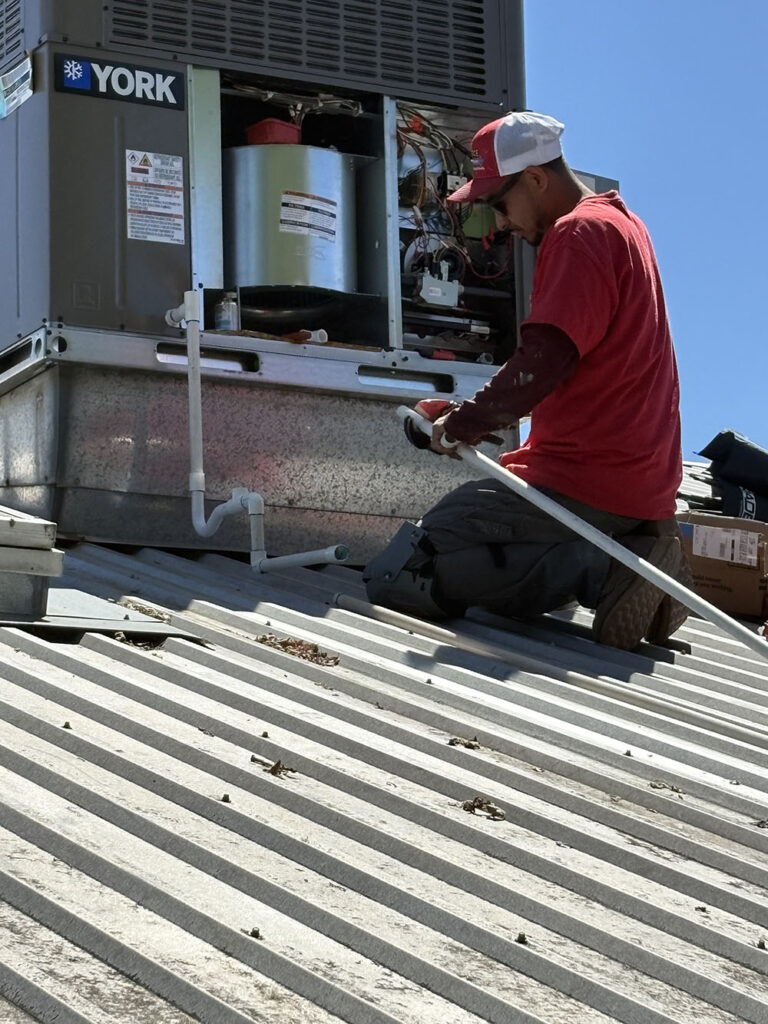
Maintenance goes a long way toward avoiding a lot of capacitor issues. Change filters when due and maintain clean condenser coils to lessen compressor strain and heat accumulation. Check capacitors once a year, particularly in areas with hot afternoons to detect slow leaks of capacity before they lead to compressor strain. Capacitors can last anywhere between 8 and 15 years, so make sure you schedule replacements as a preventative measure, not a reactive one.
When you must handle a capacitor, follow these safety steps:
- Safe handling: Shut off and lock out the breaker for the outdoor unit before opening the cabinet.
- Double check that power is off with a voltage tester or multi-meter.
- Discharge the capacitor with a resistor or appropriate tool while wearing insulated gloves.
- Use insulated screwdrivers and pliers. Steer clear of metal jewelry or conductive clothing.
- Remove one terminal before testing to prevent false readings.
- Examine for bulging, oil seepage, or corrosion and replace if any are found.
- Observe manufacturer torque and wiring specifications when installing a new component.
System Maintenance
System maintenance reduces surprises and it can identify a weak capacitor before it blows on a hot afternoon in Dixon. Clean coils and swap filters at regular intervals. Debris on the condenser coils acts like insulation and makes the compressor and fan run harder, increasing current draw and causing the capacitor to fail early. Check wiring and electrical connections for corrosion, loose terminals, or burn marks. Bad connections add resistance and heat, which reduces capacitor longevity.
Annually book an HVAC inspection with a skilled technician to locate bulging, leaking, or out of tolerance capacitors. A maintenance visit should consist of a visual inspection of the capacitor can for bulges or oil stains, a capacitance measurement with a meter, and a voltage check under load. Being able to catch a capacitor whose capacitance has drifted down 10 to 20 percent can spare an unexpected death during heat peak. Annual inspections allow techs to tighten mounts, check refrigerant charge, and test the start and run components that depend on the capacitor.
Keep the outdoor unit free of debris and permit free airflow through it. Trim plants and clean leaves or grass clippings from blocking condenser fins. Restricted airflow increases internal temperatures and causes the fan motor and compressor to pull additional current, which places additional strain on the start and run capacitors. Even a few inches of blockage can be enough to make a measurable difference in operating temperature and component life.
Checklist for homeowners:
- Change air filters every 1 to 3 months based on usage and air quality. Dirty filters lead to increased energy consumption and wear and tear.
- Clean condenser coils at least once per season. Use a soft brush or coil cleaner to remove accumulation.
- Examine exposed wiring and terminal connections for fraying or looseness. Fasten only when power is off.
- Leave 12 to 24 inches clearance around the outdoor unit. Clear leaves and vegetation often.
- Be aware of strange noises, extended run cycles or increasing energy bills. Log dates and patterns for the mechanic.
- Have a professional inspection once a year, including capacitance and voltage tests and a load check.
Routine upkeep lowers power consumption, stabilizes throughput, and prolongs hardware lifespan. Skipping these steps typically results in greater bills, inferior cooling, strange noises, and premature component failure. In peak heat, a tune-up system is less prone to sudden capacitor meltdown, and tiny fixes frequently save more than their cost.
Conclusion
How to tell if an AC capacitor is bad on a hot afternoon in Dixon. Check for slow or no fan spin, a humming unit, strange clicks on start, warm wiring, or a breaker-tripping system. Heat accelerates wear. A bad capacitor can send the compressor into a tailspin and turn rooms hot in a hurry. A trained tech can test the part with a meter, spot bulges or leaks, and swap it safely. THINGS TO REMEMBER – Keep your system clean, check the connections, and use the proper part size and rating. Minor inspections prevent major failures and save expensive repair bills. For peace of mind and quick chill, schedule a certified HVAC inspection if you notice anything or hear weird noises.
Frequently Asked Questions
How can I tell if an AC capacitor is bad by visual inspection?
Search for bulging, leaking fluid, rust or burn marks on the capacitor housing. These symptoms typically indicate that the capacitor is bad and should be replaced by a professional technician.
What sound indicates a failing capacitor on a hot afternoon?
If your capacitor is going out, it could produce a loud humming, buzzing, or clicking when the compressor attempts to start. These noises on a hot afternoon should scream starter or capacitor problems.
Can a multimeter test show a bad capacitor?
Yes. A capacitance meter, or a multimeter with a capacitance function, can compare the measured microfarads to the rating on the capacitor. A large variation means a bad capacitor.
Is it dangerous to check the capacitor myself?
Yes. Capacitors store high voltage even with the unit off. Trained techs only discharge and test capacitors. For safety, call a licensed HVAC technician.
Why does my AC struggle more on hot afternoons if the capacitor is failing?
A weak capacitor can’t supply adequate start/run power to the compressor and fan. On hot days, the system works harder, so symptoms become obvious and cooling falls.
How quickly should I replace a bad capacitor?
Swap it immediately. A failing capacitor can wreck the compressor and other components. Quick replacement cuts repair bills and brings back cool and efficient cooling.
Can routine maintenance prevent capacitor failure?
Yes. Routine HVAC tune-ups detect early indicators, make connections secure, and relieve electrical strain. Maintenance lengthens capacitor life and keeps cooling dependable in heat.