


Key Takeaways
- Listen for hissing or bubbling, check for visible ice on lines or coils, and monitor your energy bills to spot an older AC’s refrigerant leak.
- A proper repair follows a clear process: locate the leak, safely evacuate refrigerant, repair or replace damaged components, and then test and recharge the system to manufacturer specs.
- Employ electronic leak detectors, certified recovery equipment, high-temperature brazing for metal repairs, and dry nitrogen pressure testing to ensure leaks are located and properly repaired.
- Anticipate increased difficulty and expense if the unit contains phased-out refrigerants such as R-22. Verify regulatory and availability issues prior to opting to refill or retrofit.
- Balance short-term cost of repairs against long-term value. Compare likely future breakdowns, parts availability, energy savings, and potential rebates for replacement systems.
- Hire a professional who records findings, follows eco guidelines, and suggests preventative care so you can decide on repair versus replacement with all the information.
About A refrigerant leak repair for an older AC in Woodland We start with leak detection using either electronic detectors or dye. Then we make the necessary repairs to corroded lines or valves and conduct pressure testing. Technicians now remove the air, vacuum the system, and recharge the proper refrigerant type and amount. Final checks verify system pressure and temperature to ensure safety and optimal performance.
Warning Signs
A refrigerant leak almost never presents by itself. Woodlands homeowners with aging air conditioners need to be on the lookout for a few distinct warning signs that indicate refrigerant loss and know why each sign is important so they can choose to call a technician or opt for replacement.
- Warm air from vents instead of cool air
- Uncommon hissing or bubbling sounds near the indoor unit or lines.
- Visible ice buildup on refrigerant lines or evaporator coils
- Warning signs include longer run times and more frequent cycling to reach the thermostat set point.
- Noticeable rise in monthly energy bills without added use
- Blistering, moisture, or oil stains near service ports, valves, or access panels.
Warm air from the vents is typically the earliest and most obvious warning sign of a refrigerant leak. If the system isn’t properly charged, the evaporator coil can’t absorb heat effectively, and air blowing into living spaces is only lukewarm. This leads to extended runtime with the compressor running attempting to achieve the thermostat’s set point, which adds wear and increases energy consumption.
Listen for any strange hissing or bubbling noises near the unit. Hissing can be the sound of gas escaping from a crack, loose connection or a failing valve. Bubbling sounds can occasionally be from moisture or refrigerant traveling through a tiny hole. These noises typically identify the vicinity, outdoor coil, copper lines or service fittings, assisting a technician in aiming a leak check.
Inspect for ice on the evaporator coil or refrigerant lines. Ice buildup from low refrigerant causes the coil temperature to fall below freezing. Ice acts like insulation, so air flow and heat transfer decrease even more, putting additional stress on the blower and compressor. Repeated freeze-thaw cycles accelerate corrosion and cause new leaks.
Watch energy bills and run-time routines. Look at your current month or season’s bills compared to the same time the year before to identify a mystery increase. A leak makes the system run longer cycles, adding runtime and cost even if household behavior is identical. Remember, leaks develop from age, corrosion and vibrations. Older systems, particularly those beyond 10 years, are susceptible as rubber seals, Schrader valves and service ports deteriorate.
Check for oil or water around connectors and access panels. Oil staining usually indicates a leak because refrigerant transports compressor oil. Keep in mind that a few leaks present themselves due to factory defects or even shipping damage, even with new units. If you’ve got a unit that’s over 10 to 15 years old, still uses R-22, or if your leak sits deep in a corroded evaporator coil, replacement is probably a more sensible option than repair.
Core Repair Process
A refrigerant leak repair for an older AC is a technical process that pursues a long-term, code-compliant fix, not just a band-aid. Our work starts with a complete diagnosis to identify the source of the leak and evaluate any possible damage, followed by isolation, safe refrigerant recovery and component repair or replacement, pressure testing, and accurate recharging. Let certified Section 608 technicians handle every step.
1. Electronic Detection
Technicians use electronic leak detectors to sweep joints, brazed fittings, access ports and coil faces for traces of refrigerant. Detectors are frequently supplemented with UV dye or soap-bubble tests when readings are unclear. Dye can even expose hairline cracks in evaporator coils of aging systems. Calibrating detectors before setting out minimizes false positives and keeps the search on course. Each verified leak point is tagged and photographed, and notes are added to a service log for warranty and compliance records.
2. Gas Evacuation
Before any cutting or brazing, the remaining refrigerant needs to be removed with a recovery machine. The unit interfaces with approved cylinders and pulls the system pressure to near vacuum, resulting in minimal residual gas. They need to have proper containers and labeling to follow environmental rules and be free of fines. Technicians monitor the gauges during recovery and confirm complete evacuation using a micron gauge, as any remaining contaminants present exposure risks and result in subpar repairs.
3. Component Brazing
With brazing, copper lines, valve bodies, and coil connections are cleaned and fluxed. High-temperature brazing produces long-lasting, leak-free joints that surpass many soldered repairs, a key in older ACs where metal fatigue is the norm. Employees don heat-resistant gloves, face shields, and respirators to protect against burns and fumes. Following brazing, areas are ground smooth and reinspected with both a detector and visual inspection to verify continuous seals.
4. Nitrogen Testing
Dry nitrogen pressurizes the repaired areas to a target test pressure, typically above normal operating pressure, to expose any residual leaks. Pressure gauges are observed during a defined hold time. Pressure loss initiates further searching and repair. Technicians employ listening devices and detectors at joints and service ports. Tests are performed until the pressure stabilizes, proving the seal.
5. System Recharging
The proper refrigerant type and exact mass are selected according to equipment data plates and manufacturer specifications. Some legacy refrigerants are restricted or phased out. Charging is done by weighing and by measuring operating pressures and temperatures to obtain proper superheat and subcooling. All quantities are logged for compliance. If damage is extensive or parts are not available, full system replacement may be advised.
Phased-Out Coolant Dilemmas
Older air conditioners, for example, would use refrigerants like R-22 (HCFC-22), a popular coolant in decades-old units. They were phased out in the Montreal Protocol because they damage the ozone layer. The treaty’s worldwide phase-out is associated with significant public health benefits, preventing hundreds of millions of cases of skin cancer and millions of deaths and eye injuries in people born between 1890 and 2100. That background matters when a leak appears in an older unit. The coolant in the system is not simply a commodity any longer.
R-22 and other phased-out coolants are more difficult to find and pricier than more contemporary options. New HCFC-22 cannot be manufactured or imported into the United States since January 1, 2020. Only reclaimed and tested R-22 that conforms to new product specs is available. For Woodland and other owners, this increases repair bills. A technician finding a leak and repairing it may then have to top up with reclaimed R-22, which is expensive relative to charging a modern R-410A or other newer refrigerant.
Laws set what you can and cannot do. Service technicians are required to recover and recycle phased-out refrigerants. Venting is illegal in many areas. Homeowners can’t even purchase new R-22 legally, and if it’s handled improperly, they could be fined too. These rules shield the ozone but inadvertently hinder rapid, inexpensive solutions. When a leak is detected, repairs may involve dye or electronic leak detection, replacing corroded or damaged piping, pressure testing the system, air and moisture evacuation, and then a recharge with reclaimed refrigerant if permitted.
Think long-term before approving repair. If the quoted repair cost gets close to 50% of a new system’s price, replacement is usually the best monetary option, particularly for older units that use phased-out coolants. New systems utilize more eco-friendly refrigerants and generally increase efficiency, reducing energy expenses. To illustrate, replacing an aging R-22 system with a new R-410A split system can reduce energy consumption and eliminate the risk of future supply.
Preventive measures minimize this predicament. Routine service detects minor leaks in their infancy, maintaining repair requirements and refrigerant quantities at a minimum. A maintenance plan that includes comprehensive leak checks and priority service safeguards your system and your budget. If you do have to pick, consider near-term cost, long-term service availability, legal limits on refrigerant and the ecological advantages of shifting to current refrigerants.
Practical Restoration Limits
Practical restoration limits An older AC in Woodland begins with a frank look at the unit’s condition and what repair work can feasibly provide. Start by inspecting the compressor, coils, refrigerant lines, access panels and electrical components. A minor leak at an exposed line joint can require one to three hours to locate and repair and typically costs between $200 and $600. That same quick fix stands in contrast to a leaking evaporator coil inside the air handler, a damaged condenser coil outdoors, or a concealed refrigerant line snaking through walls. Those necessitate more disassembly and hours and often cost much more, as well.
Age is a factor. Systems beyond 10 to 15 years have an increased likelihood of recurring breakdowns. If the system utilizes R-22 or another phased-out refrigerant, parts and refrigerant are harder to obtain and generally more expensive. Even with R-410A systems, techs require tools and processes designed for higher pressures. Summer suction side pressures often reach 115 to 135 psig and discharge near 380 to 430 psig. Anticipate more labor to manage those stresses securely. When considering whether to repair, evaluate one-off fixes versus probable next failures versus the unit’s remaining useful life.
Obsolete parts impose a hard limit on practical restoration. Some older models use proprietary valves, brazed joints, or coil spacings that are no longer made. Evaporator-coil repairs or replacements run about $600 to $2,000. Condenser coil work ranges from $900 to $2,400. If you can’t get a replacement coil, your only real choices are custom fabrication or replacement. Technicians need to verify parts availability before providing a final price quote and discuss lead times and risks of compatibility issues.
Establish performance expectations from the beginning. Repaired leaks can recharge and cool, but they don’t always restore factory efficiency. If the compressor is worn or oil contaminated, or if multiple pinhole leaks are present, cooling capacity and operating costs can continue to be less than optimal. Fixing one line and topping off the refrigerant can provide quick respite, but a complete recharge or compressor swap can take an entire day and really add to the price tag. Refrigerant quantity influences ultimate prices, but it is just a portion of overall service fees.
Diagnostic approaches are important. Trained technicians employ electronic leak detectors sensitive to parts per million and pressure testing under calibrated gauges. A more careful appraisal integrates these instruments with an inspection of maintenance records, part status and anticipated upcoming expenditures.
Financial Considerations
Fixing a refrigerant leak on an older AC involves balancing short-term costs, long-term expenses, and the effects of regulation. The subsequent sections detail the specific fees you’ll encounter, the larger financial considerations between repair and new, and effective methods of comparing return on investment across options.
Immediate Expense
- Labor and diagnostics: initial service call, leak detection, and labor to access lines and components. Standard diagnostic and simple leak repair rates are in addition to the base cost range.
- Refrigerant charging: cost depends on type. Modern refrigerants are less expensive. R-22 can top $100 a pound, rapidly increasing the bill when big charges are required.
- Parts and component replacement: small line repairs, fittings, drier, or patching may be modest. Evaporator or condenser coil replacement pushes expenses up.
- Major component failure: If the compressor or coil is damaged by a prolonged leak, total repair can exceed $3,000.
- Emergency or after-hours surcharges expect 20 to 50 percent higher labor rates for nights, weekends, or urgent calls.
- Environmental compliance and disposal fees include certified handling, recovery, and documentation fees. Specialized tools or vacuum and charging equipment will be charged separately.
Summary table comparing repair vs replacement costs:
- Typical leak repair range: $200–$1,600 (average ~$800)
- Major repairs (compressor/coil): often >$3,000
- New system varies by capacity and efficiency. Use local quotes for exact numbers.
Replacement Value
- Lower operating cost: New units run more efficiently and reduce electric bills caused by low refrigerant that lengthens run cycles.
- Reduced maintenance: Modern systems need less frequent refrigerant top-ups and fewer emergency repairs.
- Reliability and lifespan: Replacing an older unit can avoid recurring costs and unpredictable failures.
- Environmental compliance: Newer refrigerants and equipment meet current rules, avoiding high R-22 prices and phase-out complications.
Evaluate incentives and long-term costs:
- Rebates and tax credits: Local utility rebates, government incentives, or manufacturer promotions can reduce upfront costs.
- Total ownership comparison: calculate annual energy use, expected maintenance, and repair probability. Consider repair costs versus loan or lease payments for a new system.
- Rule of thumb: If a single repair costs more than 40% of a new system, replacement is often more cost-effective. Also, replace systems older than 10 to 15 years or units still with R-22.
Weigh ongoing maintenance against replacement: repeated refrigerant adds each spring add up and often exceed investment in a newer, efficient unit. Frequent inspections reduce the risk of major unforeseen repairs and maximize system life.
Technician Perspective
A good diagnosis prepares you for any refrigerant leak repair. Technicians first verify a leak with pressure gauges and visual tests, then localize the origin by brushing soapy water over joints and connections to detect escaping gas. They listen for hissing and employ electronic leak detectors for low-pressure or inaccessible leaks. Correct diagnosis is important in part because patching the wrong region or not fully evacuating the system can leave remaining refrigerant and oil that hide continued loss or damage.
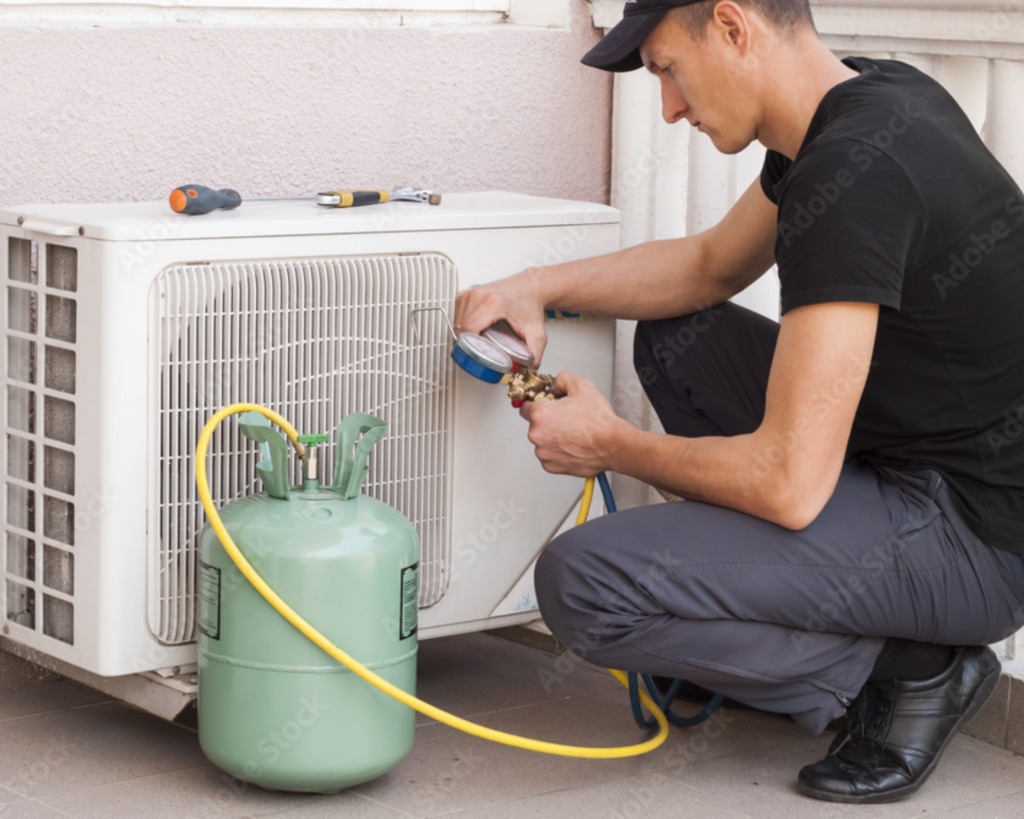
Fixing older ACs is tricky. Corroded copper lines, brittle rubber seals, and outdated fittings in older units cause welds and solder joints to be less trustworthy. Previous repairs might have introduced nonstandard parts or blends of refrigerants, making it more tricky to determine compatibility and calculate charges. Technicians balance the condition and repair history of the components against the replacement costs. Multiple past leaks or a compressor that is close to the end of its life will typically skew the recommendation toward replacement. For example, a 15-year-old unit with a low-efficiency compressor and multiple brazed joints usually costs more in parts and labor than a modern replacement with a new warranty.
Safety and environmental regulations direct each phase. Only a certified professional can handle refrigerant work. Technicians require Section 608 certification to recharge or repair refrigerant. Prior to cutting or brazing lines, the system must be drained and confirmed safe to work on. Trapped pressure or flammable oil can lead to explosions. That means refrigerant must be captured and properly recovered so it doesn’t make its way into the atmosphere and meets regulations. Techs employ proper PPE and adhere to local disposal regulations for reclaimed refrigerant and contaminated oil.
Charging to the proper refrigerant charge is just as important as locating the leak. Overcharging or undercharging decreases efficiency, stresses the compressor and can cause yet another failure. Techs figure target charge by manufacturer specs or superheat and subcooling methods, then double-check with temperature and pressure readings. Recharging a home AC needs the correct certification type for the equipment serviced, so techs align their certification to the system.
Repairing leaks too late is a waste of time and resources. Annual professional checkups detect small oil stains, loose fittings, or dropping pressures before they turn into gushing leaks. Basic preventative measures, such as cleaning coils, tightening electrical connections, and replacing old insulation, extend system life and minimize the risk of refrigerant leaks.
Conclusion
What a refrigerant leak repair means for an older AC in Woodland. Leak repair begins with a clean test, a clean repair, and a clean follow-up. For systems that use phased-out refrigerants, expect extra work: part swaps, retrofits, or a full replacement. Techs inspect valves, lines, coils, and the compressor. They will employ leak dye, electronic sniffers, or pressure tests to locate it. Cost depends on the part and age. Minor leaks can be repaired. Major leaks or recurring loss indicate replacement.
Example: A 15-year unit with a pinhole coil may cost less to fix if the coil is easy to reach. Example: A unit made for R22 often needs a retrofit or a new unit.
If longevity counts, compare the repair price to a new, efficient model. Speak with two techs, receive transparent quotes, and choose what works for your budget and timing.
Frequently Asked Questions
What are common warning signs of a refrigerant leak in an older AC in Woodland?
Insufficient cooling, elevated run times, hissing noises, liner frost, and increased energy bills may signal a leak and require a technician’s attention.
How do technicians locate and repair refrigerant leaks?
Technicians employ various means, including electronic leak detectors, UV dye, or soap tests to locate leaks. Repair usually means soldering or replacing sections of copper line and pressure testing the system prior to recharging.
Will my system use phased-out coolant like R-22, and what does that mean?
Older systems could be using R-22, which has been phased out and is expensive. Repair and recharges can get costly because the refrigerant supply is limited.
Can any leak be fixed, or are there restoration limits for older units?
Minor to moderate leaks are generally repairable. If there is extensive corrosion, multiple leaks, or major parts failing, replacement may be more affordable.
How much should I expect to pay to repair a refrigerant leak?
Prices fluctuate massively. Simple line repairs with refrigerant recharge are lower, while replacing evaporator or condenser parts costs more. Get a written estimate and weigh it against replacement cost.
Is it safe to keep running my AC with a refrigerant leak?
Operating a low-refrigerant AC damages the compressor and makes it less efficient. Cease use and book a technician to prevent larger failures and higher bills.
What should I ask a technician before authorizing refrigerant leak repairs?
Inquire about leak-finding techniques, repair warranties, the specific refrigerant to be utilized, recharge expenses, and if replacement is advised. Ask for a written estimate and parts warranty.