
Key Takeaways
- Yolo County’s farming and harvest seasons send airborne dust and plant debris into the air that can clog condenser coils and decrease AC efficiency. Inspect units more frequently during these times and after windy days.
- Ensure there is at least 2 to 3 metres of space around the outside unit and keep leaves, branches, and mulch away to safeguard airflow and avoid debris getting sucked into the condenser.
- We recommend breathable, purpose-built mesh guards and seasonal AC covers that allow moisture to escape. Remove the covers before turning on your system to avoid condensation and overheating the machinery.
- Clean condenser coils and fan blades. Shut off power first. Then hose coils and blades gently or use approved coil cleaner. Schedule coil cleaning every spring and after heavy dust events.
- Better landscape with low-shedding plants, crushed rock pads and windbreaks or fences to direct debris away from the unit and reduce dust generation around the condenser.
- Maintain a regular maintenance schedule with filter changes every 1 to 3 months, annual professional service, and a checklist of inspections to catch problems and prolong system life.
Protect your outdoor AC unit from dust and harvest debris in Yolo County. Yolo County experiences bone-dry summers and seasonal farm dust, which can gunk up coils and filters. Screen guards, raised platforms, and weekly visual inspections minimize wear and maintain efficiency. Filter changes and gentle hose rinses after harvest cut dust buildup. The area underneath provides easy-to-use tools and a seasonal maintenance checklist.
Local Agricultural Risks
Yolo County’s combination of grain, forage, and specialty crop farming generates a consistent load of fine and coarse dust. Plowing, tilling, and field traffic lift soil and organic particles into the air. These particles drift downwind and deposit on the outdoor air conditioning unit coils and fan blades, where they clog fins and diminish open area for airflow. When airflow is choked, the HVAC system runs longer to shed heat, which increases compressor strain and reduces component lifespan. To quantify risk, record surrounding field types and common work rhythms. Fields with bare soil or recent tillage are most likely to produce strong short-term dust pulses.
Harvest seasons crystallize these dangers because vegetation is on the move. Combine harvesters, balers, and grain trucks send showers of chaff, leaves, and seed particles that embed themselves in the unit’s grille and coil pack. This gunk is usually fibrous and gluey with moisture, so it fouls coil fins faster than dust alone. Units close to roads where the harvest traffic drives through pick up additional debris from passing trucks. Hands-on solutions include scheduling HVAC system cleanings before and after harvest windows and employing removable mesh guards to trap leaves and bigger plant chunks without impeding too much airflow.
Wind-driven particles from fields can wreak havoc with abrasive grit and silica that abrades coil fins and corrodes metal over time. Ferocious gusts in dry months drive small stones and gritty dust into tight crevices, corroding fin profiles and causing pinhole corrosion on sensitive components. This accumulation increases head pressure and can cause inconsistent flow of refrigerant. Place the unit with a windbreak on the side facing prevailing field winds, or erect a fence at least 1 to 2 meters away to reduce wind speed and catch larger debris. Try coil fin combs and low angle gentle pressure washing to bring the fins back into shape after heavy grit exposure.
Elevated agricultural dust loads foul outdoor air quality and increase indoor particle counts when HVAC systems draw outside air for ventilation. Dust clogs condensate drains and filters at a quicker rate, so filter replacement intervals should decrease during high-dust times. Lower heat exchange makes your system work harder for the same cooling. Anticipate a noticeable increase in wattage and decreased cooling output when coils are fouled. Track performance with simple metrics: inlet versus outlet air temperature, run time, and energy use. Pair proactive cleaning, protective screening, and seasonal maintenance schedules attached to local farming seasons to minimize productivity degradation and maximize equipment longevity.
Shield Your Unit
Guard the outdoor air conditioning unit from dust and debris by implementing these focused, functional actions. These steps will protect your HVAC system, minimize stress on the equipment, decrease repair potential, and maintain airflow during windy and harvest seasons.
1. Maintain Boundary Clearances
To maintain optimal air quality around your HVAC system, ensure there is a clearance of 2 to 3 feet (0.6 to 0.9 m) for unrestricted airflow and service access. Trim grass, bushes, and surrounding branches to that length, as overgrown foliage can hinder airflow and increase strain on your air conditioner. Clear away leaves, seed pods, and twigs immediately to prevent clogging the drain line, which can lead to water damage and affect the overall efficiency of your heating and cooling system.
Additionally, avoid placing decorative rocks, potted plants, or stacked firewood near the unit, as these materials can gather dust and obstruct airflow. Regularly using a checklist for inspections can help you verify the clearance and ensure your HVAC system is protected from debris.
After storms or harvest activities, check for any changes that may affect airflow across the indoor coil. Keeping landscaping debris away and maintaining the area around your outdoor air conditioning unit will help extend the life of your HVAC system and improve its efficiency.
2. Wash Condenser Coils
Always cut power at the service switch or breaker prior to any coil work to prevent injury or short circuits. Use a garden hose on a low pressure spray and rinse from the inside out so you push the dust and pollen away from the fins instead of bending them.
For sticky residue, use a commercial coil cleaner according to label instructions, allowing it to penetrate and then rinsing it off. Bent fins inhibit heat transfer. Straighten them carefully with a fin comb, if necessary. Plan a coil rinse at least once in spring and again after major dust storms during harvest.
3. Install Breathable Mesh
Opt for a weatherproof mesh with small holes that keep out leaves and large debris and let air through. Fit the mesh around the sides of the condenser alone. Do not cover the top, as vertical exhaust must remain free to prevent heat pooling.
Secure the mesh so it can’t flap in wind or catch debris against the unit. Check your unit every month of the harvest season for clogs, tears, or any bird nesting, and clean or replace accordingly. Shield Your Unit: Use mesh year-round in areas where windblown dust is an issue. It decreases debris load and minimizes cleanings required.
4. Switch Indoor Filters
Switch filters every 1 to 3 months. Harvest and check monthly. More efficient filters trap smaller dust and decrease the amount of particulates that get blown outdoors via system cycling.
Keep a log of filter changes and note performance. Increased dust on the return grille or lower airflow signals that earlier replacement is needed.
5. Align Fan Blades
Check the outside fan for dirt, bent edges or imbalance. Wipe the blades with a damp cloth and carefully bend back any small dents so that they spin freely again.
Check the fan turns freely and no debris clogs the hub. For the unit, schedule checks seasonally and after storms to catch small issues before they cause motor damage.
Smart Landscaping Defenses
Implementing smart landscaping defenses, such as designing the space around an outdoor air conditioning unit to blow dust and debris away from the hvac system, can significantly minimize clogging. Consider wind paths, ground cover, and hardscape to ensure that debris swirls around the unit instead of into it. These landscaping strategies provide quick tips on what to plant and where to place materials to protect your AC effectively.
Windbreak Trees
Smart landscaping defenses can significantly enhance your HVAC system’s efficiency. Planting windbreak trees or tall shrubs upwind of the outdoor air conditioning unit helps protect it from dust-laden winds and flying chaff during harvest. Selecting species with minimal leaf and seed drop, such as evergreen shrubs and narrow-columnar trees, will ensure that the canopy drip line does not interfere with airflow across the indoor coil. This positioning prevents leaves from dropping directly on the unit and clogging the drain line.
Choose trees with shallow, non-invasive roots so they won’t damage underground lines and concrete pads. Stay away from quick-spreading roots like poplar or willow. Set the windbreak at least 3 to 5 meters from the unit to maintain sun and airflow, reducing mold and mildew on your coils.
Planting in staggered rows with space in between not only slows winds but also provides room for maintenance. A combination of evergreens and deciduous species will offer year-round protection while maintaining seasonal airflow, thus extending the life of your HVAC system.
| Species (common name) | Leaf/seed drop | Effectiveness as windbreak |
|---|---|---|
| Italian cypress | Low | High for narrow sites |
| Laurel hedge | Low | Moderate, dense barrier |
| Blue spruce | Moderate | High, year-round cover |
| Privet | Low to moderate | Moderate, fast growing |
| Avoid: Poplar/Willow | High | Poor due to root invasiveness |
Crushed Rock
One of the smartest landscaping defenses to protect your AC is to place a crushed rock or gravel pad under and around your outdoor air conditioning unit to decrease dust and mud splatter. Using angular, non-organic rock 10 to 25 mm in size allows the pieces to interlock and suppress weeds effectively. A compacted base along with a 5 to 8 cm layer of crusher run or gravel provides solid support and proper drainage for your HVAC system.
Non-organic material is essential to stop grass and roots from growing in the condenser coil or drain pan. It’s crucial to steer clear of organic mulches right against the unit, as they evaporate and kick up dust while decomposing, attracting bugs. Keeping the rock layer flat and sloping it slightly outward from the unit helps push water and debris away, enhancing the air quality around your HVAC system.
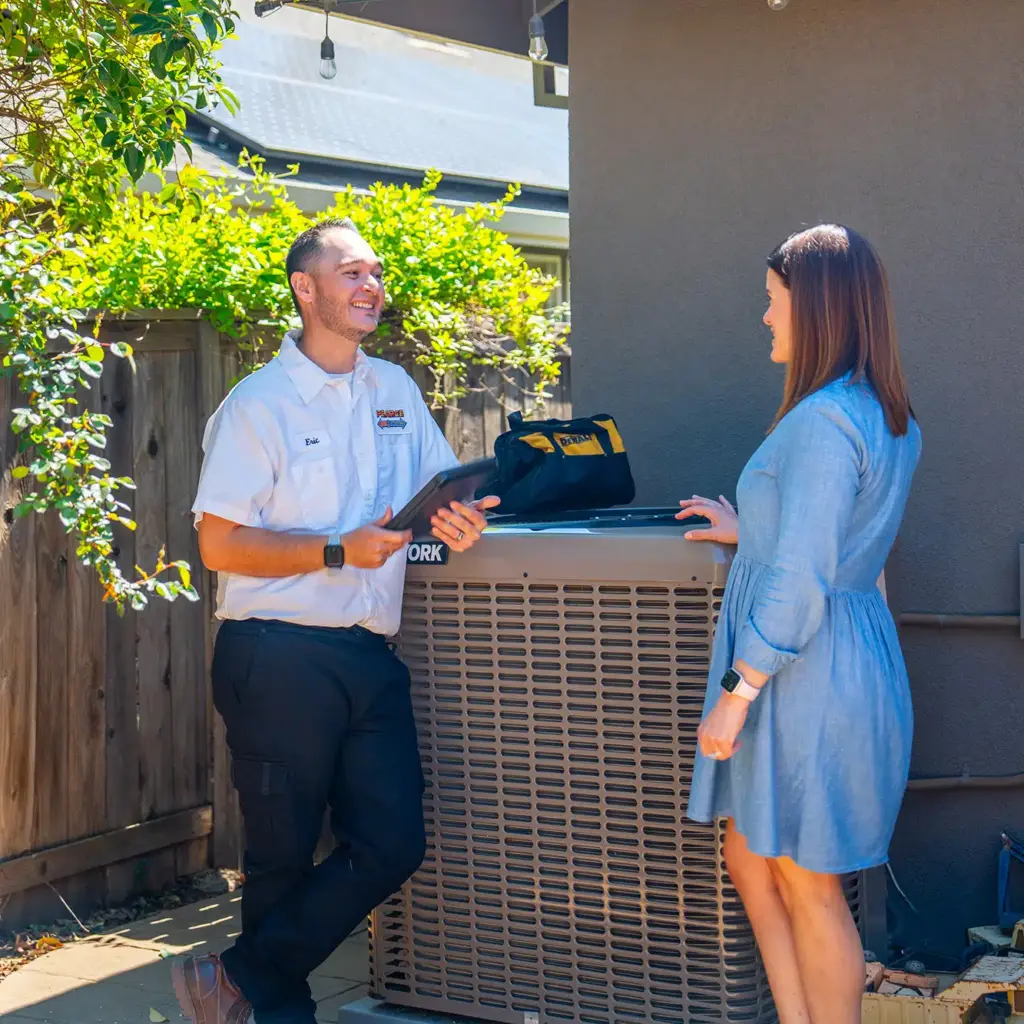
Smart landscaping defenses Refresh or rake the rock bed each season, taking out leaves, straw, and other crop remains. Smart landscaping defenses. Periodic pressure washing of the immediate area can lessen fine dust accumulation. Smart landscaping defenses Regular maintenance keeps this pad effective and saves your AC condenser’s life.
- Tips for effective landscaping around the outdoor AC unit:
- Maintain a 60 to 90 cm clear service access on one side at minimum.
- Plant low-shedding shrubs, not trees, within 1.5–3 m.
- Use permeable edging to hold gravel and stop migration.
- Place geotextile fabric beneath rock to reduce intermingling with soil.
- Remove harvest debris promptly after field work.
- Inspect and clear area monthly during high-dust seasons.
Protective Cover Rules
Using protective covers for your outdoor air conditioning unit can help minimize dust and debris accumulation, especially during fall when foliage and grass clippings may block airflow. Properly designed covers allow moisture to escape, protecting your HVAC system from rust and mechanical damage.
Only use covers designed for AC units that allow moisture to escape and prevent rust or mold growth.
AC unit covers are made with breathable fabrics or vents to prevent moisture from being trapped, which is crucial for maintaining the efficiency of your HVAC system. A breathable cover reduces the chance of condensation forming on coils and metal components, thus improving indoor air quality. Seek out polyester blends or mesh panels and read product specs for ‘breathable’ or ‘vented’ claims. For example, a woven polyester cover with side vents will block large dust and chaff while allowing damp air to escape. Stay away from covers that tout complete waterproof protection without vents, as they can trap warm humid air and lead to rust, especially during fall when outdoor conditions can be cool and dewy.
Remove covers before turning on the system in spring or summer to avoid restricting airflow and overheating the compressor.
Covers just block the airflow and add heat load if the unit runs while covered. Begin each warm season by taking off any cover, then run the system for a few minutes to hear normal sound and air flow. If a cover is left on, pressure builds and the compressor can overheat, leading to decreased performance or a safety switch trip. Simple routine: on the first warm day, take off the cover, inspect fins and fan, then run the unit.
If you need short-term protection during a surprise dust deluge, place a temporary shield in the vicinity but not over the unit while it operates.
Avoid using plastic tarps or non-breathable materials that can trap condensation and damage electrical components.
Plastic tarps or heavy vinyl can seal moisture against metal and wiring, which can impact the efficiency of your HVAC system. Condensation settles on control boxes and connections overnight, pooling and increasing the risk of corrosion or short circuits. Additionally, wiring insulation can decay quicker in the undercarriage with moisture trapped in heat cycles. If all you have is a tarp, tie it down to create air gaps and inspect the unit daily for wet spots. A better option is a fitted, vented cover or a lightweight frame with a breathable wrap to divert debris while allowing air exchange.
Store covers in a dry place when not in use and inspect for wear or holes before each season.
Moist or filthy covers can generate mold and decrease protection for your HVAC system. When you’re done, dry out the cover completely, then fold it loosely and hang it off the ground in a dry closet or shed. Before re-installing, check the seams, straps, and vents for holes or fraying that could allow dust and debris to enter. A tiny hole by a seam can channel dirt into delicate areas, so while patching works temporarily, replacement is the safer choice.
Alternative Field Perspectives
In this installment, we describe actionable steps landowners and managers can take to minimize dust and harvest debris from reaching the outdoor air conditioning unit and HVAC system in agricultural areas. We emphasize solutions that strike a balance between shielding airflow and ensuring maintenance access.
Consider installing a fence or lattice barrier to block blowing dust and debris from adjacent fields without restricting airflow.
Fences and lattices serve as a barrier by cutting down the immediate wind speed that blows dust and chaff toward the outdoor air conditioning unit. Opt for semi-permeable materials such as wood or composite slats separated by 25 to 50 mm, or metal lattice with 30 to 60 percent open area to mitigate wind yet enable cross-ventilation. Place the barrier 1 to 2 m upwind of the condenser and maintain it at least 0.5 to 1 m higher than the unit top to deflect flow over and around the HVAC system. Incorporate removable or hinged panels so service technicians can access the unit easily. For properties with heavy machinery traffic, set the posts in concrete and add a ‘sacrificial’ lower board to protect against impact. Anticipate clearing accumulated debris from the fence on a weekly basis during harvest and more often if crops are bordering closely or winds exceed 15 to 20 km/h.
Use directional landscaping or berms to divert runoff and reduce the amount of dirt reaching the outdoor condenser.
Landscaping can be contoured so water and loose soil run off away from the condenser, protecting your HVAC system from debris. Construct low earthen berms 0.3 to 0.6 m high or swales that direct runoff to planted strips or drainage channels. Plant dense, low-maintenance groundcover—native grasses, clover mix, or decorative gravel beds—on the windward side to catch particulates before they reach the unit. To maintain optimal airflow across the indoor coil, do not allow plants within 0.5 m of the condenser to avoid contact with roots or debris. If you’re dealing with soil erosion, utilize geotextile underlayments beneath gravel or mulch to keep everything in place while ensuring your outdoor air conditioning unit functions efficiently. Maintenance: inspect berms after heavy rain and re-seed or top up gravel as needed, typically twice a year.
Compare the effectiveness of different protective strategies in a table to select the best option for your property.
| Strategy | Dust reduction | Airflow impact | Maintenance | Cost range (USD) |
|---|---|---|---|---|
| Permeable fence/lattice | High | Low | Weekly debris removal | 200–1,200 |
| Directional berms/landscape | Medium | None | Seasonal upkeep | 300–1,500 |
| Solid fence | Medium–High | High (reduces efficiency) | Frequent cleaning, airflow checks | 400–2,000 |
| Raised platform for unit | Low–Medium | None | Rare; check supports | 250–1,000 |
| Vegetative buffer (native plants) | Medium | None | Seasonal trimming | 150–800 |
Use the table to weigh site factors such as prevailing wind, proximity of fields, budget, and service access to protect your HVAC system from outside debris and extend its life.
Routine Service Schedules
Regular service schedules for your HVAC system provide a roadmap to maintain an outdoor air conditioning unit reliably through dusty seasons and harvest drift in Yolo County. Scheduled maintenance helps prevent buildup, keeps the airflow clean, and addresses issues like clogged drain lines before expensive breakdowns in hot months.
Establish a seasonal maintenance checklist that includes cleaning, inspection, and testing of all outdoor AC components.
Make a to-do list for spring, summer, fall, and winter to ensure your HVAC system runs efficiently. For spring, clean coils, fins, and the fan housing after winter dust settles. Clear around the outdoor air conditioning unit of leaves, twigs, and crop chaff within a 1.5 to 2 metre radius to protect your AC from debris. Examine electrical connections, check for corrosion, and test the fan motor by operating the system and listening for unusual noise. In summer, step up visual inspections to every couple of weeks during local harvest to sweep away settling debris and verify airflow remains unobstructed. In the fall, hose off the unit exterior with low-pressure water, straighten bent fins with a fin comb, and check insulation on refrigerant lines. In winter, if the unit will not be utilized, cover only the top to prevent large debris while allowing air to escape; do not seal! Include testing items: verify thermostat response, measure temperature split across evaporator and condenser, and confirm condensate drains are clear. Note simple in-field tests: press the start/run switch and observe startup time and vibration, and use a basic thermometer to check return versus supply air difference.
Schedule professional HVAC service at least once a year to check refrigerant charge, capacitors, and overall system health.
Schedule a certified HVAC technician visit every year before peak cooling demand to ensure your HVAC system operates efficiently. During this visit, weigh and top refrigerant to specification, test start/run capacitors, and replace weak ones while measuring amp draw on motors to catch impending failure. Request a compressor health check and leak inspection with electronic detectors, as a low charge can significantly increase energy consumption and reduce the lifespan of your air conditioning equipment. For properties near intense dust sources, consider two visits per year: one pre-harvest and one post-harvest to maintain optimal indoor air quality.
Mark your calendar for key maintenance tasks such as filter changes, coil cleaning, and clearing drain lines.
Set recurring calendar reminders to change or clean filters every 1 to 3 months based on the dust load, and schedule HVAC system coil cleanings every 6 to 12 months. Additionally, clear the drain line at each service or monthly during heavy use to ensure optimal airflow across the indoor coil. For high-dust periods, consider bumping filter inspections to every two weeks and think about adding a finer pleated filter in the indoor system to minimize dust traveling to the outdoor air conditioning unit.
Track service dates and findings to monitor equipment condition and extend the life of your heating and cooling system.
Maintain a basic record: date, job, observations, components swapped. Follow trends such as increasing refrigerant loss, repeat capacitor failures, or decreased airflow across the indoor coil. Use this record to time replacements before catastrophic failure and to justify upgrades like a tougher condenser cover to protect your AC.
Conclusion
How to Guard Outdoor AC Unit from Dust and Harvest Debris – Yolo County
Install a solid screen at a distance of 1 to 2 meters from vents. Plant low shrubs and maintain short grass to impede windblown chaff. Install a 1 to 2 mm mesh guard and clean it after storms and harvest runs. Just use a breathable cover in long downtime and be sure to remove it before you run the unit. Service every 3 to 6 months, more in harvest season. Record every check with the date, photo, and short notes.
These moves save you money and lengthen your system’s life. Try one change this month: install a mesh guard or set a yard maintenance plan. Little things provide consistent defense.
Frequently Asked Questions
How does harvest season increase dust and debris around my outdoor AC unit in Yolo County?
Harvesting kicks up soil, chaff, and plant debris, which can clog the HVAC system and decrease airflow across the indoor coil. Wind blows these materials into outdoor air conditioning units, boosting air filter clogging and coil fouling, ultimately reducing efficiency and increasing repair risk.
What simple barriers work best to shield my AC from dust and straw?
To protect your AC and ensure optimal airflow, place a strong lattice or mesh screen 30 to 60 centimeters away from the outdoor air conditioning unit, while leaving 60 centimeters clearance all around for airflow.
Can I use a cover on my outdoor AC during harvest months?
To protect your HVAC system during long stretches of inactivity, use a breathable, fitted cover. However, avoid covering it while running, as this can choke airflow and hold moisture, impacting indoor air quality.
How often should I schedule maintenance during high-dust months?
During harvest, increase HVAC system checks to every 1 to 2 months. This includes cleaning the evaporator coil, removing debris, and replacing filters to keep the airflow clean and prevent breakdowns in expensive ways.
Will changing landscaping reduce debris near my AC unit?
Yes. To protect your HVAC system, use low-dust groundcovers, gravel, or hardscape within 1 to 2 meters of the outdoor air conditioning unit. Keep plants trimmed to prevent debris from clogging the drain line.
Are there legal or warranty rules about modifying the area around my AC unit?
At all times, respect the manufacturer clearance and installation guidelines to keep your HVAC system functioning optimally and warranties intact. Local codes may restrict the height of fences in proximity to the outdoor air conditioning unit, so consult warranty papers and local ordinances before making any permanent modifications.
What quick daily actions help protect my unit during peak harvest days?
Clear loose debris away from the outdoor air conditioning unit’s intake areas to protect your AC. If you sense a dust spike, run the HVAC system with a good HEPA filter to maintain indoor air quality.