
Key Takeaways
- Make sure to always start by checking other appliances and your thermostat settings before resetting your air conditioner after a power outage.
- Reset the circuit breaker and make sure it isn’t damaged. Power down your AC unit and restore it step by step.
- Check the outdoor unit for debris or obvious damage and clean the condenser coils to help avoid system problems.
- Once power is restored, set your thermostat back down to a few degrees lower and listen to the AC for any unusual noise to ensure it runs okay.
- If you have weak airflow, error codes, or the unit won’t power on, additional troubleshooting or expert assistance is required.
- Installing surge protectors and scheduling regular maintenance are excellent strategies for safeguarding your air conditioning system against future power surges and outages.
When your air conditioner won’t turn on after a power outage, the fix is usually a simple reset: switch the system off at the thermostat, wait 30 minutes so the internal breaker clears, then flip the AC breaker off and back on. In the Sacramento Valley, where summer heat waves and public safety power shutoffs trigger frequent outages, this restart resolves most no-cooling problems.
If the unit still won’t cool, hums oddly, or trips the breaker again, the outage may have surged a capacitor, control board, or compressor. This guide walks through the full reset sequence for central, window, ductless mini-split, and smart-thermostat systems, plus the warning signs that mean it’s time to call a technician.
What to Check First When the AC Will Not Turn On
Power outages aren’t just bad for lights and electronics. Your air conditioner’s internal systems may require a reset to function properly once again.
Initial Checks: Before you enact any reset steps, check the basics to avoid overlooking a key issue.
- See whether alternative home appliances are working. If the fridge, lights, or other appliances are still out, the power has not yet been returned fully to your area or home. This step determines if the outage impacted just the AC or the whole home.
- Start at the thermostat. Turn off the air conditioner at the thermostat and set it to “off.” Wait a minimum of 30 minutes. This gives the internal breaker in the unit time to reset. Flipping the switch at the circuit breaker back to “on” comes as a preliminary step to any additional troubleshooting.
- Check the thermostat! Ensure that the thermostat is in “cooling” mode and that it is set at least five degrees Fahrenheit below room temperature. This straightforward action frequently triggers the system to request cool down and start the reset.
- Step out to the AC unit. Note any obvious damage, such as dents or severed panels, and remove debris like leaves or branches from around the unit. Restricted airflow can prevent your air conditioner from turning on.
- If the AC doesn’t restart after these checks, then the fault may be an electrical component. Professional help may be in order.
Check the Breaker Box
Find your main electrical panel, often situated in a utility room or garage. Locate the air conditioner breaker.
- Turn the breaker off and keep it off for one minute.
- Flip the breaker back to “on” to restore power.
- See if the breaker feels loose, weak, or gets hot. These can be indications that it should be replaced.
- Label your breaker for the AC so future outages are easier to manage.
Check the Thermostat
Turn on the thermostat and verify its display is illuminated. If they are battery-operated models, insert fresh batteries.
Make sure that you have set your temperature at least five degrees below the room temperature to initiate cooling. Error codes or flashing lights can indicate if the thermostat requires service. A broken thermostat can prevent the AC from powering on despite performing the proper reset steps.
Check the Outdoor Unit
Look for anything obstructing the outdoor unit, since leaves, twigs, or trash can impede airflow. The unit should rest level on the ground.
If it shifted during a storm, it may need a reset. Physical damage such as bent fins or broken covers can inhibit operation. Here’s a good reason to maintain those condenser coils and clean them regularly with a soft brush or water spray. They help the unit run efficiently and avoid overheating after a reset.
How to Reset an AC After a Power Outage
An air conditioner needs to be reset after a power outage, which prevents damage and keeps things running smoothly. It is about protecting the system, allowing the internals to reset, and verifying that the unit behaves once power is restored.
Power the System Down
Turn off the air conditioner from the thermostat first. Turn it ‘Off’ so it won’t attempt to run while you reset it. Unplug the unit from its main outlet in case of window or split units, or flip off the dedicated circuit breaker for central systems.
Be sure that both the power and thermostat are off. This step disconnects all power, allowing you to safely tinker with it. Wait a couple minutes so any residual power in the system can dissipate. Check the thermostat to make sure it’s off before you continue.
Find the Right Breaker
Locate the appropriate breaker for your air conditioner in the breaker box. Locate the label or marking that corresponds to your AC unit, typically found adjacent to the unit’s name or number on the panel.
If the panel isn’t labeled, refer to the diagram often printed on the inside of the breaker box door. Selecting the appropriate breaker avoids inadvertently turning off other household appliances. Being familiar with the appropriate breaker makes the reset process easier to navigate and prevents confusion during subsequent outages.
Wait Before Restoring Power
Wait at least 30 minutes after shutting everything down. This allows the internal breaker and control board inside the AC unit to reset. It works much like restarting a computer that has locked up.
Utilize this period to inspect for water leaks, debris, or any apparent damage adjacent to the unit. Don’t hurry. A complete pause minimizes the chances of short-cycling and allows all internal components a chance to settle.
Restore Power
Turn the proper breaker back to “on” to restore power to the air conditioner. Plug the unit back in if you unplugged it. Be sure the thermostat is “On” after the wait and set the temperature at least five degrees below room temperature so the AC fires up.
Hear the fan and the compressor. A steady hum or click indicates that the machine is booting correctly.
Test the System
Turn the thermostat down below room temperature, typically about five degrees Fahrenheit, so that cooling begins. Verify air flow from vents for cool air. Observe the outdoor unit to verify whether the compressor and fan are in motion.
Observe and listen for a couple of minutes. If all sounds and feels normal, the reset is successful.
AC Still Not Blowing Cold Air After the Reset
On a post-reset air conditioner, be wary of problems that could indicate underlying issues. Most units reboot effortlessly, but a few go on to manifest fresh malfunctions. Typical post-reset problems include:
- No power or failure to turn on
- Weak or uneven airflow from vents
- Strange noises, such as buzzing, grinding, or hissing
- Error codes or warning lights on the thermostat display
- Unresponsive thermostat or controls
- Short cycling or frequent on-off cycles
Just checking the airflow from the vents is a fast indicator of system health. Weak airflow can indicate a clogged filter, obstructed duct, or an issue with the fan or blower. Pay attention to unusual noises; buzzing, rattling, or hissing can be indicative of mechanical or electrical issues.
Look at the thermostat for error codes, which will help you identify exactly what to repair. These problems can be caused by power surges during outages that can fry sensitive components.
The AC Has No Power at All
No power post-reset indicates a couple of things. Make sure the circuit breaker is on. Occasionally, a tripped breaker or blown fuse is the cause. Check the power cord for wear or a loose connection.
Test the outlet with another appliance. If other appliances do not work, it could be a bigger power problem. Keep in mind the unit’s internal breaker can take about 30 minutes to reset before it will restart.
If all checks falter and the unit keeps quiet, it is best to ring in a pro because there may be possible harm to the main control board or wiring.
Weak Airflow After a Power Outage
A clogged air filter is the leading cause of weak airflow. Filters catch dust, so clean or replace them regularly. If the airflow doesn’t improve, look into the ductwork for clogging or leaks.
Little critters, debris, or even collapsed ducts can block airflow. The outdoor unit needs attention too. Leaves, dirt, or trash around it can bog performance.
If you can’t locate the cause, professional care is a wise next move. Stubborn air problems sap comfort and efficiency.
New Noises After a Power Outage
Weird noises after a reset are a red flag. Grinding can be a dying motor or bearing. Rattling can be caused by loose screws or debris inside the unit.
Hissing frequently indicates a refrigerant leak, which requires immediate care. Listen carefully around the compressor and fan for its origin. If it is safe, tighten any visible loose parts.
If noises do not stop, you should consult an HVAC professional, since continued operation may result in more severe damage.
Error Codes
New thermostats indicate error codes for particular problems. Consult the manual to find out what it means. Each manufacturer is different.
If a mistake continues, reset the thermostat. Pay attention to the code and what the system was doing when it showed up. Write down or photograph the code and send it to an HVAC pro and help them identify the problem quicker.
Some codes indicate minor problems while others signify more serious electrical or control malfunctions that necessitate professional assistance.
Resetting by System Type
Air conditioners of all types exist, and each could require a unique reset procedure following a power outage. Knowing what kind of system you have, whether central air, a window unit, a ductless mini-split, or a smart thermostat, helps you take the appropriate measures.
Design variations, control options and the kind of electrical components employed might influence resetting the unit. As always, your user manual is your friend. Steps can vary even within the same system type. Certain systems might require you to push a reset button, replace batteries or wait for a specific amount of time to prevent harming the compressor or electrical circuit.
Central Air
How to reset a central air system usually begins by switching off the power at the thermostat and circuit breaker. Certain systems may even have a disconnect box outside by the condenser, which should be switched off and then on again.
Try to wait at least 1 minute before restarting to allow internal pressures to settle. With certain systems, a wait of up to 10 minutes could be required to allow the compressor to cool down completely. After restoring power, inspect indoor and outdoor units for trouble indicators such as abnormal noises or error codes.
A compatible thermostat is the way to go for central air. If your thermostat is battery-powered, swap the batteries if the screen remains blank. Certain systems might require a minute or two after power is restored to reconnect and reload configurations.
Regular maintenance, for example, cleaning filters and checking for blockage in vents, keeps the system running well and can make resets easier down the line.
Window Units
Almost all window air conditioners contain a tiny reset button on the control panel. Unplugging the unit for 5 minutes or so may clear faults or allow the compressor to cool.
Then, once plugged in again, hold down reset for a few seconds. Certain units might require a couple of reset attempts prior to operating again. As always, test the outlet with another device to make sure it’s working.
Keep an eye on the unit post-reset. Check for consistent air flow and listen for strange sounds. If the unit won’t start, wait another minute and then try again.
If the problem still persists, the fault could be with the internal fuse or circuit, which can require a technician to repair.
Ductless Mini-Splits
Locate the reset button on the indoor section of the mini-split, usually concealed behind the front panel. Turn off the power to both the indoor and outdoor units before you hit the reset button.
Some require you to wait as long as 30 minutes for the compressor to cool or for time delays to clear. Once you’ve reset, turn the power back on and check if it boots normally.
If you’re unsure about the steps, your manufacturer’s manual ought to provide model-specific instructions. Observe the unit for a brief period after the reset, monitoring for standard operation, airflow, and error lights.
You may need several resets if your initial attempt is unsuccessful.
Smart Thermostats
Check for error messages or alerts from your AC system in the connected app. To reset, consult the product guide. This usually involves holding down a button or selecting a menu item in the app.
Ensure that your device has a robust wifi connection, as a poor signal can prevent the thermostat from functioning properly. Update software if asked, as bugs can cause resets.
Once reset, allow the system a minute or two to reengage and load your programming. If problems persist, attempt an additional reset cycle or search for manufacturer support.
The Surge Impact
Air conditioners can be damaged by power surges during outages that are not always immediately apparent. These voltage surges can hammer sensitive parts, sometimes causing instant failures and other times gradually decaying them over weeks or months. Understanding how a surge impacts your AC unit safeguards it and maintains its performance over time.
| Symptom | Likely Damage | Preventive Measures |
|---|---|---|
| AC won’t start | Blown fuse, damaged control board | Install surge protector |
| Strange noises | Compressor or capacitor stress | Schedule regular inspections |
| Poor cooling | Damaged thermostat, wiring issues | Check and repair connections |
| Frequent resets needed | Internal breaker issues | Wait 30 – 60 seconds before restart |
| System short cycles | Damaged relay, loose wiring | Professional diagnosis after outage |
A surge here, a surge there, especially during summer heat waves when the Sacramento Valley grid is strained, can prematurely take down those internal components. Damage might not be immediately apparent. A minor decrease in cooling or strange noises could be its initial indicator.
HVAC surge protectors can block these excess voltages, so they’re a smart buy across the Sacramento Valley, where summer heat waves and public safety power shutoffs regularly strain the grid. When you restart your unit post-outage, always wait at least 30 minutes before powering it back on to allow the internal breaker to reset completely.
Voltage Spikes
Voltage surges typically appear as blinking lights, unexpected shut downs or tripped breakers. These may occur in the event of storms, when lightning strikes power lines or in the case of a grid failure.
Lightning storms are a significant hazard to all connected electronics. Power lines can conduct this surge directly into residences, frying appliances immediately. There are neighborhoods with regular surges, particularly where the grid is older or overburdened.
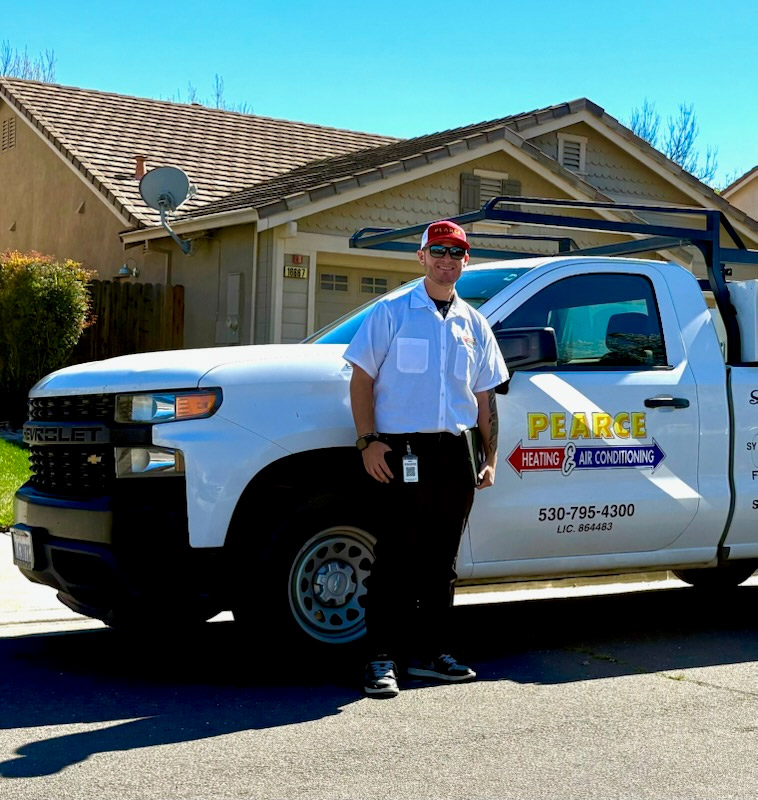
If you see this stuff a lot, it may be time to call a local electrician for some advice or a home electrical checkup. Keeping an eye on your local utility’s updates during inclement weather alerts you to when surges may be imminent.
Component Stress
Power surges can stress vital AC components like compressors and capacitors. They are susceptible to surge damage.
Following a surge, it’s wise to sniff for burnt smells, listen for odd buzzing, or feel for warm spots on the unit. An overworked compressor might begin rattling and a damaged capacitor can cause slow or no starts.
If you see any of these, schedule repairs soon. Scheduling service visits will help detect early indicators of strain and save money on major repairs down the line.
Hidden Damage
Not all damage shows up immediately. Other times, wires or other small parts inside the unit get damaged during a surge.
Check for frayed wires, loose screws, or burned connectors. The air conditioner may appear intact externally, but internal boards or relays could be compromised.
Watch for short cycling, weak airflow, or the AC refusing to start after a reset. If things feel off after a storm, have a professional check for hidden damage. A technician can diagnose concealed issues and return your system to life.
Future Protection
Safeguarding your AC consists of more than just flipping it back after a blackout. Being proactive will save you expensive repairs, extend the life of your system, and keep your home safe and cool. The following checklist outlines practical safety measures and preventive steps for homeowners everywhere:
- Wait at least 30 minutes before turning your AC back on after an outage.
- Set the thermostat to “off” and then power back on after waiting.
- Install surge protectors for added defense against electrical surges.
- Schedule regular maintenance checks with a qualified technician.
- Change air filters on a routine basis.
- Clean condenser coils and check refrigerant levels.
- Document all maintenance work and repairs.
- Think ahead for protection by investing in backup power such as a generator, especially given summer heat waves and public safety power shutoffs.
- Educate your entire household on the proper way to utilize the system when it does go down.
- Watch local weather reports to prepare for power disruptions.
Surge Protectors
Surge protectors will help shield your AC from power surges caused by storms or inconsistent power. These serve as a buffer, preventing sudden voltage spikes from impacting vulnerable components of the AC. Not all surge protectors are created equal, so you’ll want to select one that is compatible with HVAC systems for optimal protection.
Homeowners across the Sacramento Valley may want to opt for whole-house surge protectors that protect all devices concurrently. Surge protectors lose efficiency over time, so inspect them regularly and replace them as necessary, even if they don’t show physical damage.
Regular Maintenance
| Task | Frequency | Notes |
|---|---|---|
| Change Air Filter | Every 1-3 months | More often with pets/allergies |
| Clean Condenser Coils | Twice a year | Spring and autumn |
| Check Refrigerant | Annually | During professional service |
| Document Maintenance | Ongoing | Update after each task |
Clean air filters lead to better airflow and less strain on your AC. Filthy or clogged filters may obstruct air, causing the unit to overexert and consume extra power. Cleaning condenser coils protects against overheating, which can reduce the potential for system failure.
Having refrigerant levels checked every year ensures your system is running optimally. Maintain a paper or digital journal of your work; this can help identify habits or problems before they become serious.
Power Management
Backup power, such as portable or standby generators, mitigates the chance of abrupt ceases during blackouts. Using energy-saving habits, like setting the thermostat a few degrees higher or closing your windows and doors, puts less stress on your AC and helps it last longer.
Keep your ears open to storm reporting and you will be able to prepare when they are on their way. It is useful to train everyone at home how and when to use the AC after an outage. This can prevent inadvertent damage and keep everyone safe.
Conclusion
It’s just a few steps to reset the air conditioner after a power outage. Most units rebound with a simple unplug and restart. Occasionally, odd sounds or weak air flow occur after a reset. These indicators could signal a more serious concern, such as a tripped breaker or fried component. Surge protectors prevent further shocks and protect the system. Each brand has its own way to reset, so check the manual if things get tricky. Regular inspections can do a lot to keep things running. In the Sacramento Valley, where summer heat waves and public safety power shutoffs make outages routine, an AC that won’t restart shouldn’t sideline your comfort. If your system still won’t cool after a reset, call Pearce Heating & Air Conditioning in Winters at (530) 505-1902 to schedule service.
Frequently Asked Questions
What should I check before resetting my air conditioner after a power outage?
Ensure that the power is back and steady. Check the circuit breaker and air conditioner’s power connection. Make sure the unit is safe to reset.
How do I reset my air conditioner safely?
Shut off the AC from the remote or control panel. Give it 5 minutes. Turn the breaker off and then on. Reset the air conditioner after a power outage.
Why does my air conditioner not work after a power outage?
A power surge could have tripped a circuit breaker or the internal reset. Reset the breaker and the unit. If issues continue, reach out to an experienced repair technician.
What if my air conditioner still does not cool after resetting?
Inspect filters and vents for obstructions. Check settings. If it does not start cooling again, have a professional come service it.
Can power surges damage my air conditioner?
Yes, power surges can damage the onboard electronics. This can make the unit act up or even stop working entirely.
Are reset procedures different for various air conditioner types?
Yes, it depends on your specific model and manufacturer. Refer to your particular air conditioner’s manual.
How can I protect my air conditioner from future power surges?
Employ a surge protector for air conditioners. Plan service regularly. This helps protect against damage and prolongs your unit’s life.