
Key Takeaways
- Knowing the main causes of low water pressure at home, ranging from municipal supply fluctuations to your own household plumbing and fixtures, can help you find effective solutions.
- Easy fixes, such as flushing fixtures and inspecting valves, can rapidly boost water pressure in the majority of homes.
- You might need major upgrades, like installing booster pumps or replacing old pipes to solve the problem for the long term, especially in older properties.
- Routine maintenance and service ensure that your water pressure remains consistent and avoids any surprise dips or breakdowns.
- Keeping an eye on water pressure not only helps your appliances live longer, but makes everyone’s day-to-day lives more comfortable.
- Visiting a licensed professional is always recommended when pressure issues persist or repairs become complex, putting safety and efficiency first.
Home water pressure is easiest to boost with a few quick wins: clean mineral buildup from faucet aerators and showerheads, make sure the main shutoff and pressure-reducing valves are fully open, and check the pressure regulator, which should keep most Sacramento Valley homes near 60 psi. If flow stays weak everywhere, a hidden leak, corroded pipes, or a failing regulator is usually to blame.
Not every case is a simple fix, though. Municipal supply dips during hot summer demand, undersized or corroded pipes, and worn well pumps can all throttle flow in ways a homeowner cannot safely correct alone. Below, you will find each cause, the fixes you can try yourself, and the point where calling a licensed plumber saves time and prevents water damage.
Pressure Problems
Water pressure issues matter, if only for basic tasks like showering or watering the plants. Each home runs best at around 60 psi. Readings below 40 psi will bog things down, and anything over 80 can damage pipes. Knowing what causes these shifts helps solve them before they become daily headaches.
Municipal Supply
| Factor | Impact on Pressure | Example Scenario |
|---|---|---|
| Seasonal Demand | Lower pressure | Hot summer, peak use |
| Construction Activity | Possible disruptions | Roadworks, new buildings |
| Maintenance/Repairs | Temporary drops | Scheduled pipe fixes |
Seasonal demand typically translates to lower water pressure, particularly during hot months or prolonged dry periods when multiple users may be simultaneously running the water. Early morning and evenings can be problem times when everyone showers or waters lawns.
If you observe abrupt or prearranged flow drops, nearby maintenance or fixes could be the culprit. It’s not uncommon for utility companies to post updates online or on community boards.
Neighborhood construction, such as a new building or roadwork, occasionally interferes with supply or induces pressure dips for multiple days or weeks.
Home Plumbing
Pipes weaken over time. Old metal pipes, particularly those constructed from steel or iron, can rust internally and stifle water delivery. This unseen corrosion can narrow the pipes’ inner diameter, causing pressure to drop as time passes.
Occasionally, you’ll notice rust in the water or hear funny sounds from the pipes. A plumbing system with lots of sharp bends or long runs can also create bottlenecks. These narrow areas impede water flow even before it reaches your tap.
Check for grit as well. Over time, bits of sand, dirt, or mineral scale can form inside pipes, clogging them and reducing pressure even more. The kind of well pump also makes a difference.
Centrifugal, jet, and submersible pumps all have limitations. The wrong pump for your well means constant low pressure, no matter how new the system is.
Fixture Issues
Mineral buildup inside faucets and showerheads is a frequent offender. Hard water causes lime or calcium deposits. These deposits constrict the openings and less water passes.
Inspect aerators on ends of faucets. If they’re clogged, cleaning or replacing them can restore nice flow. Occasionally, antique fixtures simply aren’t up to the task.
Swapping them for efficient, low-flow models may help, saving water and stabilizing pressure. Test every fixture. Occasionally, single or double taps exhibit an issue.
If one shower is weak but others are okay, it is probably a local problem. Staying on top of cleaning and replacing damaged parts keeps it all working just right.
Pressure Solutions
Low home water pressure makes even the most basic tasks a hassle. This problem is typically due to mineral deposits, broken valves, leaks, or old regulators. By understanding the cause and applying pressure solutions, you can get your water flow back to normal. Here are some reliable steps to help boost water pressure:
- Clean fixtures regularly to remove mineral buildup.
- Check and adjust all valves for full operation.
- Inspect and change water pressure regulators if needed.
- Look for leaks in pipes and fix them quickly.
- Use routine maintenance to prevent future issues.
1. Clean Fixtures
Hard water mineral deposits, particularly in areas where there are high levels of calcium and magnesium, can clog faucet aerators and showerheads. This buildup obstructs the flow and causes a significant decrease in pressure. Soaking your fixtures in vinegar for a half hour de-scales them and returns some of that lost water pressure.
For hard scale, you may find a descaling solution works better. A little scrubbing, at least once every few months, keeps fixtures working well. Scheduling your cleaning makes sure you don’t forget and prevents unexpected pressure dips.
A lot of homeowners in hard water areas across the Sacramento Valley see this step as making a significant difference. This regular maintenance can increase water pressure and extend the life of your plumbing.
2. Check Valves
Valves regulate the flow of water throughout your home. If they’re not working properly, you may experience feeble or inconsistent pressure from tap to tap. Begin by inspecting all pressure-reducing valves. These are located close to your main water line.
Be sure they’re adjusted to provide sufficient flow. Sometimes, all it takes to solve a problem is to open a valve. If a valve is stuck or non-functional, replacing it is recommended.
We keep all valves fully open where safe and possible to maximize flow throughout your home.
3. Adjust Regulator
A water pressure regulator controls the total pressure coming into your home. If it’s too low, you get weak water flow everywhere. Locate the regulator, which is typically close to where the service line enters the house.
If necessary, refer to the maker’s manual to carefully nudge it higher. Just a few notes: Only make small changes and then test your water pressure. If you’re not certain about adjusting this device, or if adjustments aren’t effective, bring in an expert.
An old or broken regulator might need replacement.
4. Find Leaks
Leaks are quiet pressure assassins. Go throughout your home and inspect all exposed pipes for drips, puddles, or moisture stains. Your water meter is your friend. If it continues to run when water isn’t being used, you could have an unseen leak.
Sealing leaks immediately will maintain your water pressure and prevent water loss. If it is a tricky problem or you cannot locate the cause, a professional plumber can assist in locating and repairing hidden leaks.
Major Upgrades
Major upgrades can change water pressure in a home, and they tend to provide lasting solutions where quick fixes fall short. Planning these steps around your household’s needs saves time and money, while consulting a skilled plumber helps avoid expensive missteps.
These are the most effective modifications, what they entail and how to pick the right ones for your place.
- Determine whether the low pressure is arising from the municipal supply. Occasionally, it does, and local officials should step in.
- Installing a booster pump is one of the best ways to increase pressure when the feed is weak.
- Pipe replacement can solve chronic problems with flow, particularly if ancient pipes have accumulated gunk or are corroded.
- Upgrading to a modern water heater or installing a new well or pump can make a big difference.
- Plumbers tend to suggest installing or servicing a water pressure regulator, which helps stabilize flow and prevents damage from pressure spikes.
- Big remodels are best timed with other home improvements.
- Cost-effectiveness varies. Targeted upgrades like pipe replacement or a booster pump tend to offer better returns than full system overhauls unless the latter is truly needed.
Booster Pumps
Booster pumps rapidly increase water pressure in a home. These pumps are available in different sizes and power, so you should match your pump to how much water you use per day and the number of outlets in your house.
For example, a tiny apartment might require a smaller device, whereas a sprawling household needs a higher output one. It should be installed by explicit manufacturer instructions, as incorrect installation can cause leaks or pump burnout.
A few homes experience almost an immediate improvement, particularly in two or three-story residences where pressure dips tend to occur. Minor upgrades, like sealing checks and pump filter cleans during routine maintenance, keep things running efficiently and increase the pump lifespan.
Pipe Replacement
A lot of homes with bad water pressure have old pipes that get rusty and inhibit the flow of water. Replacing these with PVC or PEX can reduce clogs and friction for more stable pressure at every tap.
Selecting bigger diameter pipes aids too, as bigger pipes permit more water to move at a time. We recommend this upgrade during major renovations to minimize disruption and take advantage of open walls or floors. Homeowners notice a significant upgrade immediately after switching out pipes, especially in older houses.
Pipe replacement is a bigger upfront expense but can save over the years in fewer leaks and less upkeep. It’s smart to get a pro evaluation first, as not all pipes might require replacement. This strategy frequently accomplishes the task with less expense and fuss.
Professional Help
Pro help is usually needed when home water pressure issues become too complicated or dangerous for regular hacks. A licensed plumber provides years of experience, specialized training and access to the latest tools, so they’re a great option if you have a particularly difficult or recurring problem to solve.
Knowing when to step back and let a professional take care of it can save you time, stress, and additional plumbing destruction.
When to Call
Be on the lookout for indicators that require professional plumbing assistance. If you’ve already attempted quick fixes such as cleaning aerators, checking valves, or clearing minor blockages and water pressure is still weak, this indicates more serious problems that DIY approaches cannot address.
Weird banging or whistling noises in pipes typically are indicative of concealed issues like water hammer or trapped air. Minor drips near connections or couplings aren’t simply a nuisance; they could potentially signify rusted out pipes or deteriorating seals.
When leaks or strange sounds persist, it’s time to call a licensed plumber. If your whole house loses water pressure, or the drop is drastic, don’t blow it off. This might be an indication of a significant clog, a defective pressure regulator, or even a problem with the primary supply line.
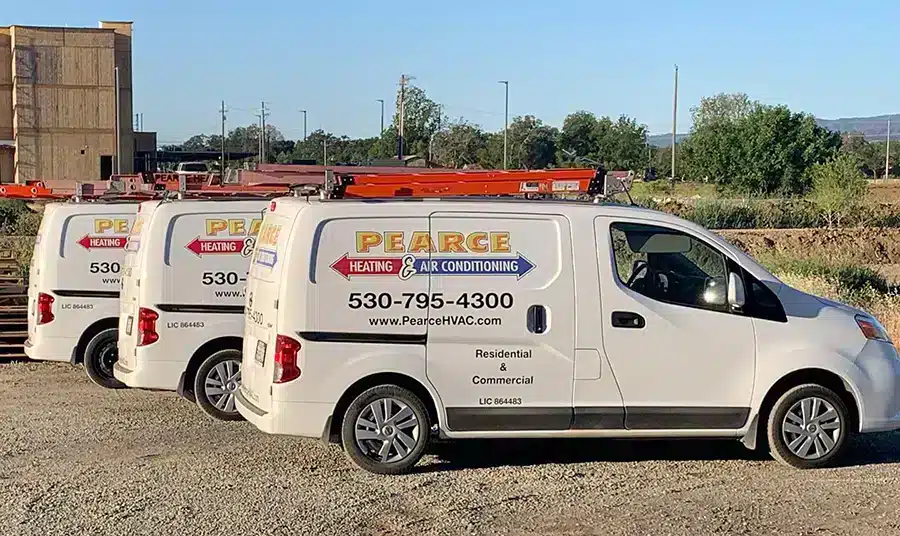
For these common issues, a pro can provide a comprehensive inspection and identify problems that are easy to overlook. A licensed plumber brings years of hands-on experience and the proper credentials to inspect your system and keep repairs up to local code.
These pros will steer you in the right direction whether it’s a new pressure booster, pipe replacement, or tweak.
Safety First
Safety first as you work on plumbing. Before attempting any repairs, shut off your main water supply to mitigate flooding or inadvertent leaks. Use basic tools that suit the task, and don’t overlook safety equipment such as gloves and eye protection.
If you’re not sure how to work equipment like tweaking a pressure regulator or you just feel uncomfortable, there’s no shame in bringing in a pro. Errors may cause water damage, injury, or larger repairs.
Licensed plumbers adhere to strict safety regulations and reduce the chances of accidents or expensive issues. A professional can help you know what’s safe to attempt yourself and what requires expert attention.
This extra direction keeps you and your house protected while ensuring the task is completed correctly the first time.
Future-Proofing Pressure
Future-proofing pressure requires clever design and diligent maintenance. Patching the short-term problem can assist, but forward-thinking results in less surprise, less stress, and more graceful days. Ideal home water pressure is around 50 to 70 psi. Most homes operate optimally at roughly 60 psi. Anything over 80 is excessive and will cause leaks or pipe bursts. Routine inspections, intelligent enhancements, and healthy habits maintain things stable as your requirements evolve.
Smart Systems
A water pressure gauge measures your system in real time, providing you with the figures in psi to indicate whether you’re within the safe zone. If you notice the pressure climbing beyond 80 psi, a clever sensor can shoot an alert to your phone. This helps you catch the trouble before a water hammer (a bang in the pipes) announces a more significant issue.
Smart irrigation systems can communicate with these sensors. They shift watering schedules to early morning or at night when city demand is low. Some can even turn off or reduce the flow if they detect a sudden decrease, ensuring your plants receive what they require without water loss.
Smart tech can detect leaks or weird patterns and alert you immediately. This means less water wasted and fewer repair bills! As these systems become more prevalent, they assist individuals in saving time and sidestepping expensive shocks.
Preventative Care
Basic habits are a long way. Begin with an annual plumber check-up. They can leak check, gauge test pressure and check for signs like rust or mineral build-up. This is important because a typical pressure for most homes is 40 to 60 psi. If you have a PRV installed, it keeps pressure below 80 psi, which safeguards pipes and fixtures.
Seasonality counts. In summer, water use often spikes, which can lower pressure across the entire street. Prepping your system ahead of and after extreme weather can catch problems early.
Educating everyone at home to be water-wise is helpful, too. Shorter showers, full washing machine loads, and turning off faucets when idle all contribute. Keep on top of new products and methods. Water-saving fixtures, better PRVs, smart meters – they come out regularly.
As your household grows or needs change, schedule upgrades. This prevents stress on your system and maintains good water flow, today and into the future.
Water Wellness
Water pressure accomplishes more than simply pushing water through pipes. It defines the quality of your home’s operation and the life of your appliances. Pressure management conserves water, increases comfort and reduces repairs. Whether you’re connected to a city supply or a private well, good pressure powers water wellness and keeps daily rituals flowing.
- Have your water pressure regularly checked with a gauge, and try to keep it in the 50 to 60 psi range.
- Incorporate water-saving taps and low-flow fixtures to reduce waste.
- Install a booster pump if pressure falls too low.
- Test well systems annually and pump pressure tanks as needed.
- Educate the whole household to recognize symptoms of hypo and hyper pressure.
- Record water consumption to monitor patterns and detect leaks at an early stage.
- Repair leaks promptly to avoid pressure drops and water loss.
- Discuss water-wise habits around the house to generate awareness.
Appliance Longevity
Water pressure affects your appliances’ lifespan. If pressure is too high, it puts unnecessary strain on washing machines, dishwashers, and water heaters, causing premature wear and more breakdowns. If it is too low, appliances may not function as they should.
Never assume new appliances are rated for the water pressure range in your area, which is typically 50 to 60 psi for dwellings on a city feed. For water coming from wells, verify that your settings align with local requirements. Set the pressure tank to the proper range, such as 40/60 psi, to prevent damaging pressure swings.
Monitor your faucets, pipes, and water heater for drips, rattling, or unusual noises. These can signify that pressure is off and needs repair. Check levels with a pressure gauge once or twice a year. If you have a well, annual testing and recording results will help you identify minor problems before they become big ones.
Learn how pressure impacts appliance efficiency by consulting user manuals or speaking with plumbers. Having consistent pressure helps your appliances waste less water and energy!
Daily Impact
Water pressure contours daily life in obvious ways. When pressure is consistent, showers are delightful and it takes less time to wash the clothes or dishes. Low pressure just makes the easy stuff hard. Filling a pot or rinsing off some produce takes way too long.
Frustration will accumulate over time if pressure drops are overlooked. Sufficient pressure denotes minimal waiting for water to run. This is particularly the case in larger or busier households.
When pressure is too low, you’re cramping more than one style, such as taking a shower and running the washing machine at the same time.
Ask the family how water pressure affects your daily life. These talks can surface problems you may not observe. For instance, one might talk about feeble water pressure upstairs or difficulty rinsing shampoo well. Sharing feedback helps highlight potential issues, which makes solutions easier to come by as a team.
Conclusion
Increasing water pressure at home seems simple with a straightforward approach. Checking pipes, clearing screens, or replacing parts can solve most low flow problems. Upgrades such as a new pump or larger pipes assist if common fixes fail. A pro can identify underlying issues quickly and save time. Fresh water makes your day flow, from a rinse under the shower to a sparkling sink. Staying on top of these small inspections translates to smooth water flow for years to come. Small, consistent actions add up over time. Try a few of the tips above, watch for signs of trouble, and call a licensed plumber if pressure still comes up short. Steady flow makes for a better home every day.
Frequently Asked Questions
What causes low water pressure at home?
Low water pressure may be caused by clogged pipes, leaks, closed valves, or old plumbing. It could be supply issues with the city or high demand in your vicinity.
How can I quickly check for water pressure problems?
Turn on taps in different rooms. If they all have weak flow, it’s probably a main supply problem. If only certain taps are impacted, check for localized blockages or leaks.
Can cleaning faucets improve water pressure?
Yes, unclogging or replacing clogged aerators and showerheads increases water flow. Mineral buildup is a usual culprit of weak pressure at faucets.
Should I install a water pressure booster?
A booster pump is your answer if your home’s supply is ever consistently low. Select the appropriate model for your home and have an expert install it.
When should I call a professional plumber?
Call a plumber if you experience sudden drops in pressure, visible leaks, or when home solutions fail. Ongoing trouble could be a sign of bigger plumbing problems.
Are there long-term ways to prevent low water pressure?
Ensuring steady pressure at home with regular maintenance, replacing aging pipes, and adding pressure regulators. Schedule regular inspections to prevent issues.
Does high water pressure damage plumbing?
Yes, too high pressure can stress pipes, fixtures, and appliances. A pressure regulator can save your plumbing and prolong its life.