


Key Takeaways
- Fog adds moisture that can condense on your furnace’s filters, sensors, and ducts, dampening the airflow so your blower’s running but no warm air’s coming out on a foggy morning. Inspect for obvious moisture and swap or scrub wet filters.
- Humidity and condensation can foul flame sensors, limit switches, and igniters, leading to ignition failures or lockouts that keep the fan running but the burners off.
- External vent or intake blockage from moisture-laden debris or ice can set off safety switches and shut down burners while the blower runs. Check vent terminations and remove obstructions after fog.
- Verify thermostat mode and fan settings prior to further troubleshooting. Replace batteries or check wiring if the display is blank so the system indeed calls for heat.
- Run simple DIY diagnostics first — check or replace filters, walk each room to check vent airflow and do one controlled power reset at the breaker. Write down any error codes or strange behavior for the technicians.
- If issues continue, call in an HVAC specialist for sophisticated diagnostics, leak and safety inspections, and demand a written report alongside a seasonal maintenance schedule to mitigate future fog-related complications.
A blocked condensate drain or frozen vent prevents the burner from firing. Fog moisture can freeze flue exits or clog condensate traps, tripping safety switches while the fan still runs. Filter restrictions, pilot or ignition faults, and low fuel pressure are other culprits to investigate. The following sections display basic, safe diagnostics and repairs.
Foggy Morning Triggers
Fog adds moisture to the air and can alter the operation of a furnace and duct system. Below are some sub-sections that describe specific ways foggy conditions cause running blower with no heat, where to look, and what to check.
1. Moisture Blockage
Humidity can accumulate on inside surfaces and in the air stream. Water droplets form on filters, plenums and heat exchanger surfaces, cutting down free area for air to pass and lowering outlet temperatures.
A wet filter in particular cuts airflow fast. The blower continues to push air, but the diminished flow means that the heat from the burner or heat exchanger cannot efficiently transfer to the airstream. Damp dust clumps and clings to media in the filter and to duct seams, creating partial chokes that cut heat output even more.
Check for visible condensation on the furnace cabinet, damp spots around filter racks or water pooling around the unit as obvious red flags. Take out the filter and check it. Then put in a dry filter of the proper rating for your system.
2. Sensor Failure
Humidity can fluster tiny electronic components and sensors inside the furnace. Flame sensors, limit switches, airflow sensors, and others depend on clean, dry conditions. Moisture can cause false readings or temporary failure.
A wet or dirty flame sensor might not ‘see’ flame even if the burner lights, so the control board turns the gas off but keeps the blower going. Temperature and airflow sensors that send erroneous signals can keep the system from activating a full heat cycle, resulting in tepid or cold air.
Post-fog, scan the control board for flashing error codes and record any lingering fault indicators. If codes indicate sensors, a service appointment to clean or replace the component is necessary.
3. Vent Obstruction
Fog brings with it a very fine moisture and debris that can cling to vent caps on the outside of vents or intake screens. These, occasionally mixed with wet leaves or grit, can clog intakes or exhaust holes.
Blocked vents obstruct combustion air or exhaust flow. Safety interlocks sense bad venting and will shut off burners but let the fan run to prevent overheating, causing the symptom of a moving blower with no heat.
Check vent terminations for clogging or ice and remove any debris carefully. Just make sure your vent path is clear and you’re good to go.
4. Ignition Lockout
Ignition lockout after multiple failed attempts to ignite burners. Dampness might soak igniters or pilot assemblies, diminishing their capacity to ignite or detect flame.
If the ignition continues to fail, the furnace locks out and leaves the fan on. Verify if there are any blinking status lights or error codes for ignition lockout and dry or replace ignition components as necessary.
5. Thermostat Setting
Make sure the thermostat is on heat and not fan. Fan on mode will blow unheated air even with burners off.
Wrong set points, blank screens, drains batteries or a loose wire will keep the thermostat from calling for heat. Change batteries and examine wiring if the display is dead.
Airflow Restrictions
Airflow restrictions prevent warm air from making it to the inhabited areas and cause the furnace to run longer without generating much heat. If intake or supply paths are restricted, the heat exchanger can’t dump all of its heat output into the duct system, leading to lower outlet temperatures, longer run times, increased energy consumption, and in certain systems, safety shutdowns. On a foggy morning, the extra moisture and fine particles can accelerate accumulation in filters and ducts, so airflow issues tend to emerge more acutely during cool, damp conditions.
Filter Clogs
Dirty or clogged filters are the most common culprit to blame for reduced airflow and that lukewarm air you sense when the blower kicks on. A filter loaded with dust, lint, and fog-borne particles acts like a narrow straw. The fan struggles, static pressure rises, and less heated air moves through the home. These high MERV-rated filters capture much smaller particles but can gum up more quickly. On cold winter mornings and damp mornings, the filter fibers might hold tightly to particulates bound with moisture and choke off flow earlier than normal dry conditions. Change or clean filters on a regular basis, usually every 1 to 3 months for an average home, more frequently if you have animals or live in a high outdoor pollution area. Watch for signs such as weak airflow at multiple vents, longer heat cycles, increased system noise, or visible dust layering on the filter surface. A simple glance is typically sufficient to indicate if the filter requires replacement.
Duct Leaks
Leaks, separated joints, or crushed runs allow heated air to escape into unconditioned spaces, typically in attics, crawlspaces, or behind walls. When warm air bleeds out before it gets to registers, vents will blow cooler or tepid air even though the furnace itself is heating. Check any open duct runs you can inspect for gaps at seams, punctures or loose collar connections. Soft ducting can crush and rigid ducts can pull apart where they connect. Use soap and water to spot leaks on running systems or check for dust trails around openings. Seal tiny holes with foil HVAC tape or mastic sealant, but more significant damage may require professional repair or section replacement. Properly sealed and insulated ducts bring back flow, increase delivered temperature and minimize energy loss when the blower operates.
Checklist of airflow restriction points to inspect during troubleshooting:
- Filter condition: clogging, correct size, and orientation.
- Supply registers: closed or obstructed vents, furniture blocking flow.
- Return grilles: covered rugs, plugged returns, or missing panels.
- Accessible ducts: gaps at seams, crushed runs, disconnected joints.
- Blower compartment: lint build-up, loose panels, or damp corrosion.
- Outdoor intakes: debris, nests, or fog-moisture deposits.
Basic System Checks
A rapid battery of basic checks can save you time and money by eliminating simple culprits before booking a technician. These checks are about airflow, user controls, and clearing minor electronic gremlins. Record anything strange, such as smells, noises, or error codes, so a technician can troubleshoot more quickly if you have to call one.
- Find the furnace and thermostat, validate power and settings. Record error lights or codes on the furnace display and log them with the time and weather conditions.
- Check the air filter and swap it out or clean it if dirty. A jammed filter is a notorious culprit for letting the blower run but not delivering heat.
- Go through the home and inspect every supply and return vent to make sure it is closed or blocked. Blocked vents decrease system efficiency and cause cold spots.
- Make sure the thermostat is set to heat, set above room temperature, and the correct system type (furnace versus heat pump). Change thermostat batteries if applicable.
- Reset the furnace by turning off its breaker, waiting 30 seconds, and then restoring power to clear small control-board or sensor glitches.
- After reset, hear and observe if the burner ignites and continues to burn, or if the unit simply operates the blower. Log any fail modes and power down if there are burn smells or clicking sounds.
- If the home is equipped with a sealed combustion system, inspect exterior intake and exhaust vents for debris such as leaves, snow, or ice buildup that could block airflow.
- Keep a simple log: date, time, outdoor conditions, what you checked, what you saw or heard, and any codes. This record assists pros in expediting diagnosis.
Inspect Filters
Locate the filter in the furnace cabinet or return-air grille. Pull it out straight and hold it up to light. Very little light passing through means it’s clogged. Disposable filters with visible dirt, dark streaks or moisture should be replaced. Washable filters require a light rinse and complete drying prior to reinstallation. A clean filter supports consistent airflow and heat exchange with a blocked filter. The blower can run while the burner overheats or doesn’t ignite.
- Turn off power before removing the filter.
- Slide filter out with care, so you don’t drop dust into the cabinet.
- Examine the frame for splits or damage. A bad fit shunts air.
- Swap out disposables monthly if heavy usage. Clean reusable filters as per manufacturer.
Check Vents
Walk around home, inspect supply and return grills. Check for warm and consistent airflow. Weak or cold air indicates restricted flow or leaky ducts. Make sure furniture, curtains or rugs aren’t obstructing vents. Pay attention to rooms with significantly lower flow and flag them in your log for duct or balance work.
- Open every vent fully and remove visible debris.
- Take vent covers off and vacuum inside ducts near accessible openings.
- Check that return grilles aren’t painted shut or blocked by storage.
- Use a simple tissue test. The tissue should flutter at the grille when the fan runs.
Reset Unit
Shut off the furnace breaker, wait at least 30 seconds, and restore power. Reset clears fault codes generated from transitory conditions and allows the control board to reboot. If the furnace still won’t heat or makes funny noises after a reset, quit resetting and call a technician. Multiple resets can hide failing components. If reset does, watch how it performs and log the occurrence.
Humidity Dynamics
Humidity is dynamic. It is high on a foggy morning and it affects the way a furnace behaves and heat circulates through the home. Moist air retains heat and can make warm air feel cooler, so that furnace might be running longer without providing any ‘felt’ warmth. Humidity dynamics mean that additional moisture weighs on the system because warm moist air needs more sensible heat to increase room temperatures. That drives up energy consumption and can cause the blower to run constantly with minimal warm air seeping into occupied spaces.
How humidity cuts heating efficiency and air quality
Humidity works in a similar way, dampening the temperature gradient between supply air and room air, thereby reducing heat transfer from ducts and registers into rooms. In other words, a system that’s sized for dry winter air will flail on a damp morning. The thermostat continues to call for heat, the furnace blower churns, but people don’t feel much difference. High humidity fosters mould and mildew growth in ductwork and on coils, which worsens indoor air quality and can result in mustiness when the blower blows. Examples: a basement return in a coastal apartment may collect condensation on damp mornings, feeding microbial growth that spreads through the system. A bungalow with poor attic insulation may see fog-driven moisture condense in duct joints, reducing clean airflow.
Dust, filters, and reduced airflow
More humidity causes airborne dust and fibers to stick together and deposit on surfaces. Filters that typically pass air can clog more quickly when fibers and dust adhere with moisture. A partially clogged filter means the blower cannot move as much heated air, decreasing output at registers even though the fan is running at its normal speed. Real-world indications are a feeble breeze at a vent, a warm register near the furnace but cool rooms at a distance, and inexplicably rapid filter discoloration following foggy days. Actions: check and replace pleated filters more often during humid seasons, inspect return grilles for visible dust cakes, and consider higher-MERV filters only if the blower and ducts are inspected for capacity.
Electrical and component impacts
Humidity can wreak havoc on the furnace’s electrical components. Humid air and condensation can corrode relay contacts, sensors, and control boards or create transient errors that turn burners off but keep the blower running. A common pattern is intermittent pilot or ignition failures. The control senses a fault, disables the heat source, but leaves the fan on to protect the heat exchanger. For example, a corroded flame sensor may fail on damp mornings, requiring a brief cleaning or replacement. Monitor trace fault codes, inspect wiring junctions in the blower compartment, and schedule preventive checks before humid seasons.
Monitoring and mitigation
Check indoor relative humidity with an easy digital hygrometer and target 30 to 50 percent for ideal comfort and heating efficiency. Employ a portable or whole-home dehumidifier if levels remain elevated and keep it set within the suggested range. Increase ventilation and seal duct leaks to decrease damp air intrusion.
Professional Diagnostics
A good professional diagnostic plan will tell you why a furnace blower runs but no heat is generated on those damp foggy mornings where moisture and pressure differentials can reveal marginal faults. Below is concise context before the detailed steps: technicians use targeted tests, specialized tools, and written documentation to find intermittent or hidden problems that basic homeowner checks miss.
Advanced Diagnostic Steps
| Step | Purpose | What the technician does | Expected findings and examples |
|---|---|---|---|
| Visual and safety check | Ensure safe start and catch obvious faults | Inspect burners, heat exchanger, control board, wiring, and venting; test for flame, corroded wires, or blocked vents | Cracked heat exchanger, sooty burners, rodent damage to wiring |
| Combustion and gas flow test | Verify correct fuel delivery and combustion | Measure gas pressure, manifold pressure, and CO levels with combustion analyzer | Low gas pressure causing weak flame; high CO indicating poor combustion from clogged burner |
| Limit switch and safety circuit test | Find failing switches that stop heat while blower runs | Use multimeter to test continuity and simulate temperature triggers; inspect for stuck open or intermittent switches | A limit switch that opens prematurely on foggy mornings when humidity affects sensors |
| Control and thermostat interface test | Check signal, sequencing, and board faults | Monitor thermostat call, relay activation, and control board response with diagnostic tools | Thermostat sends call but control board fails to energize gas valve due to a bad relay |
| Ductwork and airflow diagnostics | Detect hidden leaks, pressure imbalances, or blocked returns | Perform blower door or duct blower test and use smoke pencil or tracer gas; measure static pressure (Pa) | Large hidden duct leak in crawlspace, high return restriction from closed vents |
| Heat exchanger integrity and flue test | Ensure safe heat transfer and proper exhaust | Use borescope and pressure/vacuum tests; check for cracks and backdrafting | Small hairline crack that leaks warm air into the combustion chamber when humidity expands metal |
Professionals rely on tools homeowners usually lack: combustion analyzers to read CO and O2, manometers for static pressure measured in pascals, thermal cameras to spot cold spots, and tracer gas or duct blowers to find leaks. These tools expose problems such as nosedive limit switches, sporadic control board short circuits, and unseen duct leaks that funnel warm air out of the home before it can be enjoyed.
Ask for a printout of problems found, measurements taken, repairs recommended, and cost estimates. A report backs up warranty claims, future troubleshooting, and energy audits. For ongoing or repeat failures, bring in a professional HVAC technician who can run these tests and give you a repair plan based on data.
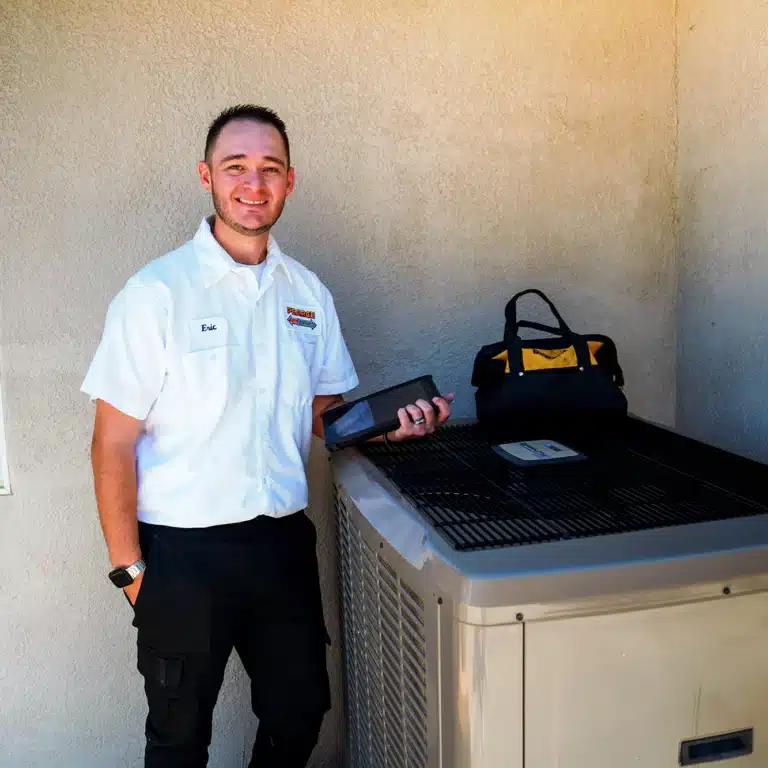
Preventative Maintenance
Preventative maintenance reduces the risk of clogged air flow and heating emergencies, particularly on damp, frigid mornings when moisture and dirt can aggravate faults. Routine attention helps keep the blower, heat exchanger, and vents clean so toasty air actually reaches those living spaces. A few easy things completed on a schedule reduce stress on parts, save energy, and keep you from emergency service calls in high season.
Maintenance tasks table
| Task | Frequency | What to check | Why it matters |
|---|---|---|---|
| Replace air filter | Every 1–3 months | Filter type, fit, cleanliness | Clogged filters block airflow, force blower to work harder, reduce heat delivery |
| Clean blower assembly | Yearly or as needed | Blades, motor housing, belt (if present) | Dust build-up reduces fan efficiency and can unbalance motor |
| Inspect and clean vents/registers | Every 3–6 months | Obstructions, dust, closed vents | Blocked registers stop warm air from entering rooms, cause cold spots |
| Check condensate drain and pan | Annually | Clear clogs, check for water stains | On high-efficiency units, blocked drains lead to shutdowns and corrosion |
| Test thermostat and controls | Twice yearly | Calibration, sensor placement, battery | Faulty thermostat can call for fan without heat or misread temperature |
| Inspect heat exchanger and burners | Annually (pro) | Cracks, soot, flame color | Cracked heat exchanger reduces heat transfer and risks combustion issues |
| Lubricate motor bearings | Annually (if applicable) | Oil ports, service manual specs | Proper lubrication reduces wear and keeps blower running smoothly |
| Check ductwork | Every 1–3 years | Leaks, insulation, sagging | Leaky ducts lose heat and reduce overall output at registers |
Build a seasonal maintenance checklist that trails your table and suits your climate. For instance, in temperate climates run checks in spring and fall. In colder climates, include a pre-winter inspection in September. It should record filter size and replacement dates, last professional servicing, and parts showing wear. If you want, keep it digital or at least on paper with your other home records.
Have a pro tune-up done every year before the heating season starts. A trained technician will test combustion, measure airflow in cubic feet per minute, and check safety controls. They can detect small issues, such as a blower blade that’s slightly bent, a hairline crack in the heat exchanger, or a failing capacitor, that a homeowner might overlook. Request a written report and estimated repair costs so you can plan your budget in advance.
Conclusion
A running blower with no heat on a foggy morning suggests a couple obvious causes. Low flame, dirty burners or a tripped safety switch can too. Short checks will often show the issue: listen for the burner, feel vent air, look at the thermostat settings, and swap a dirty filter. It’s worth a service call if the system exhibits funky odors, constant cycling or no ignition noise. To keep your system running smoothly, don’t forget regular filter changes and an annual tune-up to reduce the risk of unexpected cold mornings. Schedule a licensed tech if you want rapid, safe repair.
Frequently Asked Questions
Why does my furnace blower run but no heat comes out on a foggy morning?
Fog increases outdoor humidity and may lead to condensate or pressure switch problems. Check pilot ignition, thermostat, and blocked vents. These are typical offenders when the fan runs but the burner won’t light.
Can high humidity or fog cause my furnace to fail?
Yes. Moisture can block air intakes, condense in venting, or trip safety switches. These effects can keep the burner from igniting although the blower runs.
Could a clogged air filter cause this problem?
Yes. A clogged or dirty filter lowers the air flow and can over exhaust the system. Your furnace blower may run but no heat comes out on a foggy morning.
Should I reset my furnace if the blower runs but no heat comes out?
It may be worth attempting a single reset according to your manufacturer’s guidelines. If the problem returns or the furnace locks out repeatedly, quit and call a qualified HVAC technician.
How quickly should I call a professional?
Call a technician if simple checks, such as the thermostat, filters, and vents, don’t remedy the situation or if you smell gas, see soot, or discover repeated ignition failures. Timely service saves equipment and brings safe heat.
Can thermostat settings cause the blower to run without heat?
Yes. If the thermostat is set to fan-on or to the wrong mode, the blower will run regardless of the heat call. Make sure it is on heat with a reasonable setpoint.
What routine maintenance prevents this on foggy mornings?
Replace filters on schedule, keep outdoor vents free of debris, get a yearly pro tune-up and test safety switches. Such measures minimize moisture-induced failures and increase dependability.