


Key Takeaways
- Know your #1 outdoor enemies by walnut orchards: dust, pollen, and drift. Select filters that combat these pollutants to safeguard indoor air.
- Compare MERV ratings and HEPA options to tailor efficiency to your needs and ensure HVAC compatibility to prevent airflow or energy loss.
- Add activated carbon layers when chemical drift or VOCs are a concern and pair particulate and carbon filtration for the most comprehensive protection.
- Measure filter dimensions and check resistance prior to purchase for a good fit and balanced airflow. Always store spare filters in advance of peak harvest and pollen seasons.
- Check filters monthly during harvest and allergy seasons. Replace clogged filters immediately and keep a record of dates to maintain system performance.
- Think multi-stage solutions like HEPA-equipped purifiers or professional vent cleaning when stubborn dust, odors, or allergens need an extra level of control.
How to choose an air filter for a home near walnut orchards in Yolo County: Pick a filter that removes dust, pollen, and agricultural particulates while matching your HVAC system’s airflow and size. Think MERV 8 to 13, a sealed frame, and replace every 1 to 3 months during harvest. Look for allergen or smoke handling if you have neighbors that burn. The remainder of this guide covers ratings, fit, and local seasonal requirements.
Local Air Threats
Local Air Threats to homes near walnut orchards present a combination of expected and sporadic air challenges which should direct filter choice. Typical local air hazards include harvest dust, windblown pollen, and orchard spray residues. Agricultural activity changes with the seasons and those shifts impact what comes inside, how it travels through HVAC ducts, and what filters will actually assist. Here are the local threats and practical steps to help you match filtration to risk.
Harvest Dust
Harvest months generate tons of soil dust and plant material and fine particulates. Local Air Threats: Anticipate indoor spikes in particulate matter when harvest is active. Fine dust may settle in ductwork, diminishing indoor quality and system efficiency.
Opt for high particulate capture filters, MERV 11 to 13 for HVAC systems or a true HEPA portable unit in living spaces. In a well-sealed room, HEPA devices can reduce particulate matter by over 90%. Check vents and replace filters more frequently during peak months. For a lot of homes, that translates into shifting from quarterly to monthly or bimonthly swapping based on visible accumulation and unit pressure drop.
Simple checks help: look for dust ringing the return grille, note reduced airflow, or higher dust on surfaces.
Local Air Threats
CLEAN DUCT SCREENS
To extend the life of higher-efficiency filters, use prefilters on returns.
Chemical Drift
Orchard spraying can emit VOCs and stink that invade homes. These gases are not arrested by particulate-only filters. Choose filters or add-ons with activated carbon layers to adsorb odors and many VOCs. For whole-house needs, think HVAC-compatible carbon media or situate carbon-equipped purifiers in bedrooms.
Seal leaks around doors, windows, and duct joins to reduce infiltration. Follow local spraying schedules, as counties occasionally post them, and schedule heavy ventilation or filter exchanges accordingly. Some local programs deploy air purifiers and carbon-equipped filters to eligible households, often disadvantaged communities. Unless otherwise noted, the eligibility is typically at the county level and households that have previously received devices may not be eligible for additional devices.
Tree Pollen
Pollen levels increase seasonally and can cause allergies or asthma. Use HEPA or high-MERV filters to catch pollen and allergen particles. Portable units with a high CADR perform well in bedrooms or living rooms where you spend the majority of your time.
It is a good idea to keep your windows and doors closed during high pollen days and run filtration continuously during peak periods. Local air programs have distributed hundreds of purifiers to affected households, frequently through a lottery with application windows ending by July 31 and notices by mid-September. These initiatives bolster public health objectives and aim at neighborhoods most impacted by pollution.
Filter Types
Choose a filter type based on the particles you expect near walnut orchards: pollen, dust, agricultural dust, occasional smoke from field burns, and vehicle exhaust. Here’s a quick table to compare popular filter types, their particle capturing ability, and where they work best.
| Filter Type | Particle Capture Ability | Typical Use Cases |
|---|---|---|
| Fiberglass | Low; captures large particles (≥10 µm) | Basic HVAC protection, pre-filter in multi-stage systems |
| Pleated (MERV 5–12) | Moderate to high; captures dust, pollen, mold spores | Most homes, better allergy control, regular HVAC use |
| HEPA | Extremely high, 99.97% at 0.3 µm | Allergy-sensitive homes, in some standalone purifiers and central systems
| Activated Carbon | Adsorbs gases/VOCs and odors, and does not remove particulates on its own. It is effective for odor, smoke, and VOC hot spots when combined with particulate filters |
Fiberglass
Fiberglass filters are inexpensive and primarily trap large dust and lint. They shield your HVAC from large debris but allow the bulk of the fine particles to pass through. Utilize them where general protection and low resistance is key, such as in legacy systems that cannot support dense filters. Change them frequently because a clogged fiberglass filter impedes airflow and lowers system efficiency. Around orchards, they may be a temporary fix but do very little to help with springtime pollen.
Pleated
Pleated filters provide more surface area and higher particle capture than fiberglass. Most pleated choices are in MERV 5 to 12 categories. MERV 7 to 8 provides optimal filtration and airflow for most houses. They trap dust, pollen, and some of the smaller allergens but still safeguard the system. Consider the MERV rating and your HVAC system’s capacity. Higher MERV filters capture more particles but can restrict airflow with systems not designed for it. Watch for dirt and replace as necessary. In dusty seasons, anticipate shorter service intervals.
HEPA
HEPA filters eliminate very small particles and are rated 99.97% efficient at 0.3 microns. They’re perfect for families with serious allergy or health issues. Confirm your central HVAC or air purifier can accept HEPA. Many require upgraded fans and duct sizing to avoid airflow loss. Portable HEPA purifiers are the alternative if you can’t have it installed in central systems. Newer home systems increasingly support HEPA, but account for higher resistance and potential fan upgrades.
Carbon
Activated carbon is designed to eliminate odors, smoke, and VOCs, not particles. Pair carbon filters with particle filters for complete filtration. Carbon gets rid of odors and gases, while pleated or HEPA filters take care of the solids. Exchange carbon packs according to manufacturer instructions, as adsorption capacity decreases with use. Near orchards where pesticide drift or seasonal odors hit, carbon can provide significant relief when combined with a MERV 7 to 8 or higher particulate filter.
Selection Criteria
Choosing the right air filter starts with a clear view of your home’s air needs near walnut orchards in Yolo County: seasonal pollen loads, dust from nearby fields, occasional smoke from burning, and diesel or agricultural equipment particulates. Consider where they spend time inside, any allergy or respiratory sufferers, and the room square feet to suit CADR requirements. This drives the efficiency, airflow, noise, and maintenance trade-offs.
1. Rate Efficiency
MERV ratings allow you to compare how well filters capture different-sized particles. For most homes, a MERV 8 to 13 range provides solid capture of pollen, dust, and larger smoke particles while still permitting normal HVAC airflow. Filters rated 13 and above demonstrate at least 50 percent removal for the smallest particles tested. Higher MERV is better for allergies or heavy orchard pollen, but check HVAC compatibility first. For a standalone air cleaner, match its CADR to room size and note any noise rating. A quieter unit can be a big deal in bedrooms. Reference: MERV charts map common pollutants—pollen, mold spores, smoke—to expected capture rates at each rating.
2. Measure Dimensions
Measure the filter slot carefully: length, width, and thickness. Typical thicknesses span from 1 to 5 inches. An incorrect size allows air to flow around the media or causes the system to overwork. Measure twice, jot down the dimensions, and save that note for replacements. If your furnace or AC utilizes a media cabinet, verify it accommodates thicker filters for increased media surface and reduced pressure drop.
3. Check Resistance
Check out the filter’s air flow resistance and initial pressure drop. When filters become highly resistant, they can reduce airflow and cause compressors or fans to run longer. Aim for a balanced product: moderate MERV with reasonable resistance, or a higher-MERV pleated filter designed for low pressure drop. Once installed, observe your system’s performance and energy consumption. If rooms start to feel less warm or less cool, check for airflow restriction. Replace clogged filters immediately before efficiency loss occurs.
4. Target Pollutants
Identify target pollutants: orchard pollen, road and field dust, smoke, or VOCs from farm chemicals. Match media: mechanical filters (MERV-rated) for particulates, activated carbon or multi-stage systems to capture gases and VOCs. For wide coverage, pair a MERV-rated filter with an adsorption-media air purifier. Multi-stage systems make the indoor environment more comfortable, but they require deliberate maintenance to function optimally.
5. Balance Cost
Selection criteria compare upfront price, replacement frequency and probable energy impact. Expensive filters can be more durable and energy-efficient if they sustain airflow. Inexpensive filters that quickly clog increase operating expenses. Just compare price per month, expected lifespan, CADR and any added maintenance. Consider quieter or lower replacement frequency as actual worth.
Expert Insights
Homes near walnut orchards deal with more outdoor dust, pollen and pesticide drift, so select filters and systems that balance particle capture with consistent airflow. Take into account the MERV rating and CADR when selecting a filter. A MERV in the neighborhood of 8 offers a decent compromise between filtration and airflow for most residences. Higher rated filters catch smaller particles but can reduce airflow unless your system is designed to handle them. Verify the CADR for portable purifiers to room size and pair a reasonable MERV with a purifier whose CADR is rated for the space you want cleaned.
Seek recommendations for filter types best suited for homes near agricultural areas
Choose pleated filters with a MERV of 8 to 13 depending on HVAC capacity. For typical systems by orchards, MERV 8 to 11 keeps dust and pollen under control without straining the fan. Allergic or have a new system that can handle the extra resistance? Go with MERV 13 or a premium filter with high-efficiency layers and antimicrobial coatings. These can trap up to 98 percent of particles down to 0.3 microns. The thicker 4 to 5 inch filters not only provide more surface area and trap more dust, but can last 6 to 12 months, which is great when orchards produce their seasonal loads.
Learn about common mistakes homeowners make when selecting air filters
MISTAKE: Selecting the highest MERV without reviewing system limits, selecting the wrong physical size, and omitting CADR checks for purifiers. A too-dense filter increases resistance, stresses the blower, and can increase energy bills by as much as 15%. When filters get clogged with dirt, the system strains, electricity consumption soars, and the unit may overheat or shut off. Another mistake is ignoring indoor sources. Humans shed roughly 500 million skin cells daily, and pets add dander, so pick filters that handle both outdoor and indoor particulates.
Discover tips for maximizing filter lifespan and system efficiency
Follow change intervals based on load: experts recommend replacing filters every 30 to 90 days in dusty, high-pollen areas. Thicker filters last up to 6 to 12 months, but check monthly throughout orchard bloom or harvest. Seal all gaps around the filter slot, keep ducts clean and perform annual HVAC inspections. If possible, monitor static pressure, as increasing pressure indicates the filter is clogged. Balance filtration with air flow to maintain efficiency and low energy use.
Review expert advice on integrating air purifiers or additional filtration systems
Get portable HEPA purifiers with a CADR matched to room size for bedrooms and living spaces. If your HVAC supports it, think about adding a whole-house electronic air cleaner or upgraded media filters. Position purifiers where residents inhabit the most and near dust sources. Combine technologies: a MERV-rated pre-filter plus a HEPA portable unit provides layered protection without overtaxing the central system.
Maintenance Routines
Regular maintenance keeps filters humming and systems efficient. Clogged filters choke airflow, increase energy consumption, and degrade indoor air quality. These issues are exacerbated adjacent to walnut groves during harvest and pollen seasons. Maintenance routines instruct when to check filters, how to track changes, when to clean or replace, and how to source parts so your HVAC keeps pace with seasonal demands.
Inspection Cycles
Check your air filters once a month, more frequently during the harvest and allergy seasons when pollen and dust increase significantly. A quick visual check takes 30 to 60 seconds: hold the filter up to light, note dark bands of dust, or feel for a coating that won’t brush off easily. If you notice discoloration, dirt caked on the filter, or weak air flow at your vents, it’s time for a change.
Use calendar reminders on the phone or home automation hub. Record every inspection – date, state, and response (cleaned, replaced, delayed). Over time, this log reveals patterns. If filters clog after three weeks in October, switch to biweekly in that month.
Maintenance Routines swapping out one nasty filter while the other remains blocked still restricts air flow and strains the blower. Record the filter type and MERV rating in your log so you can determine if higher or lower rated media is appropriate for your unit and orchard exposure.
Part Sourcing
Purchase replacement filters from quality suppliers so you’ll know they fit and are made from quality materials. Verify part numbers and measurements with the system sticker before ordering. If you’re switching over to a custom size, purchase one test filter first. Ordering multiple at a time saves time but risks a mismatched fit.
Contrast OEM filters with aftermarket. Medium-efficiency disposable one-inch filters usually run about $US4 to $9. Washable medium-efficiency filters, typically MERV 8 or lower, cost around USD 20 but could become less effective as static charge diminishes. Specialists suggest MERV 8 to 13 for residences, which are a nice size with not excessive resistance, but make sure your furnace or air conditioning unit can handle larger MERVs before switching.
For maintenance, stock up before high-pollution seasons. Don’t wait for the ‘harvest’ to dry out! For instance, purchase a three-month supply if your inspection schedule indicates replacement once a month in autumn. Store filters in a dry, clean location. Mark boxes with size and MERV so you don’t get mixed up.
Numbered checklist to track maintenance routines:
- Inspect filters monthly; increase frequency during harvest.
- Press filter to light and scan for thick dust or yellowing.
- Record inspection date, condition, and action in log.
- Swap out all of your filters at once to keep the air flowing.
- Check part numbers. Purchase one test filter if the size is new.
- Save before high-dust seasons. Store marked and dry.
System Optimization
System optimization is about getting your entire HVAC and indoor-air system to cooperate so filters can get the job done without damaging the equipment. Start by seeing what your furnace or air handler can manage. Most contemporary systems are happy with MERV 8 to 13 filters. A single MERV 14, for example, might block too much air and stress the blower. If you’re after a higher MERV, have a pro run a static pressure test first to see if your system can keep proper airflow.
Retrofit to higher-efficiency filters without overloading your HVAC system. If your system can handle MERV 13, progress stepwise from MERV 8 or 9 to prevent shock on your system. Think depth media filters. A 4- or 5-inch media filter offers far more surface area than a typical 1-inch panel, so it captures more particles while maintaining airflow. For homes in the vicinity of walnut orchards with seasonal pollen and dust, a 4-inch MERV 11 or 13 media filter tends to provide a nice sweet spot. If your system can’t accommodate a deep media filter, seek out pleated filters with higher surface area and low resistance ratings.
Add air purifiers, dehumidifiers, or humidifiers. Standalone HEPA air purifiers in living areas or bedrooms capture fine particles that standard filters overlook. Whole-house electronic or in-duct purifiers add another layer, but check compatibility with the HVAC first. Humidity control matters: dry air can raise dust and pollen re-suspension, while high humidity promotes mold. Run a dehumidifier when indoor relative humidity is above 50 percent during wet spells, and a humidifier in very dry months to maintain levels around 40 to 50 percent.
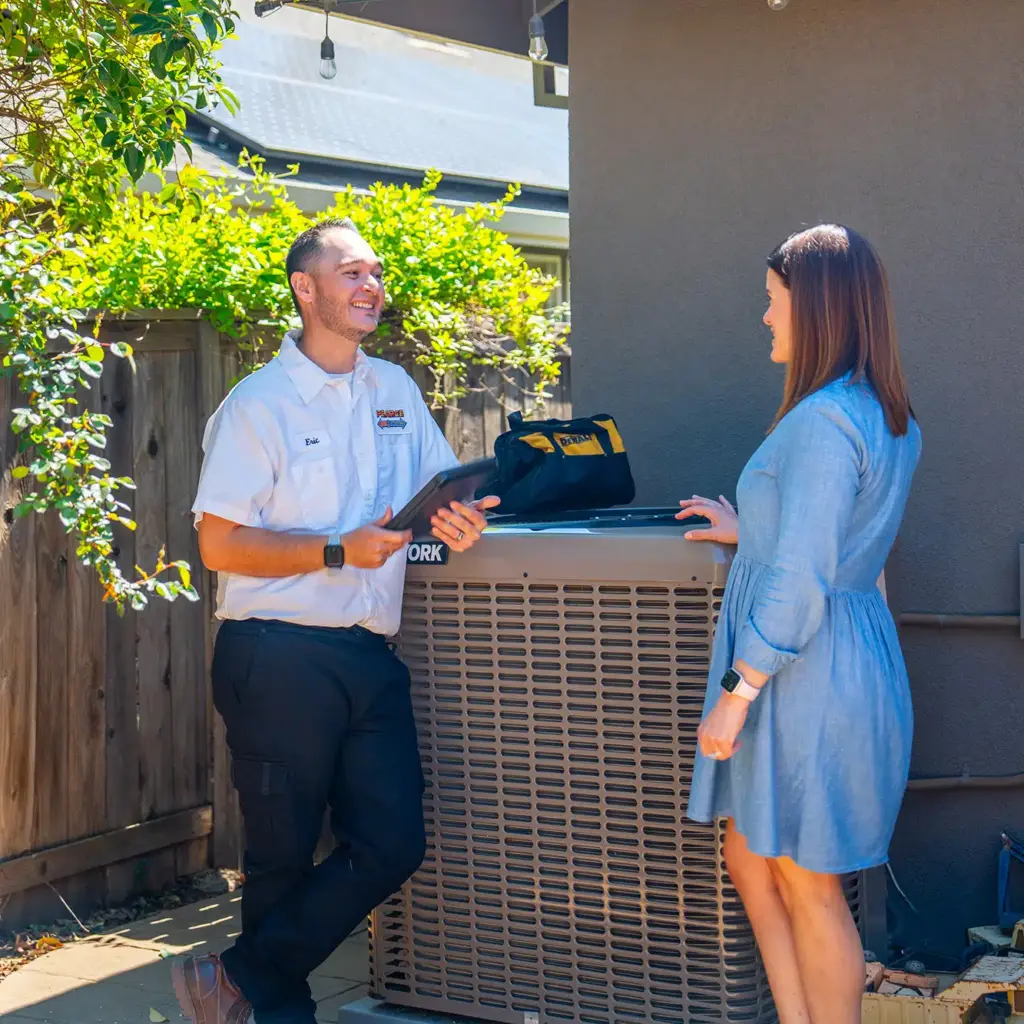
Get professional vent cleaning and system checkups to keep the air flowing. Duct dust, loose insulation fragments, and even orchard debris are no stranger to vent openings, sapping the efficiency of your system. A technician should check for leaks, static pressure, and blower performance once a year, preferably just after harvest when outdoor particulate loads go up. Cleaning registers and replacing return grilles’ short-term pre-filters can alleviate the burden on main filters.
- Change filter replacement time according to system frequency and local air quality. Manufacturers commonly suggest swapping filters every 60 to 90 days. Homes in close proximity to orchards may require more frequent changes during pollen season or during a particularly dusty windstorm. If you operate the system constantly or have cats or dogs, inspect monthly and replace as it becomes visually soiled. Using the correct filter type, MERV rating, and replacing on time prevents clogged filters that restrict airflow and increase energy costs.
Conclusion
When you live near walnut orchards in Yolo County, you have dust, pollen, and farm dust in the air. Select a filter that catches fine particles and fits your HVAC. MERV 8 cuts large dust and pollen. Supplement with a MERV 13 or HEPA style unit in a room if smoke, fine dust, or allergies spike. Verify filter size, airflow, and system restrictions prior to purchase. Replace filters on a regular schedule and monitor pressure drops. Seal leaks and run your fan more to circulate clean air. Test indoor air following upgrades with a simple meter or service check. Small steps add up: the right filter, steady care, and a few system fixes will make your home air clearer. Need a quick checklist to help plan your next purchase?
Frequently Asked Questions
What air filter MERV rating is best near walnut orchards in Yolo County?
Select a MERV 8 to 13 filter. A MERV 8 will catch bigger dust and pollen. MERV 11 to 13 filters out finer agricultural dust and allergens and still work in most home HVAC systems.
Should I use a HEPA filter for whole-house protection?
HEPA is best for small particles but almost never fits standard HVAC. Use HEPA portable air cleaners for rooms and a high-MERV HVAC filter rated between 11 and 13 for whole home balance.
How often should I change filters during harvest season?
Change its filters every one to three months during harvest. Check monthly and replace when visibly dirty, airflow drops, or the HVAC system runs longer than usual.
Will a high-MERV filter hurt my HVAC system?
Very high MERV (14–16) can limit airflow in older or undersized systems. Check your HVAC’s max MERV with the manufacturer or an HVAC pro before upgrading.
Can filters reduce agricultural pesticides and odors?
Standard filters (MERV 8–13) reduce dust and pollen but do not capture most gases or pesticides. Use activated carbon filters or whole-house air cleaners rated for gases to minimize odors and vapors.
Should I hire a professional to choose and install filters?
Yes. An HVAC pro evaluates system compatibility, guides on the right MERV, and installs properly to safeguard equipment and indoor air quality.
What maintenance steps keep indoor air cleaner near orchards?
Change filters as scheduled, seal duct leaks, run HVAC fan on low intermittently, and use portable HEPA or activated carbon units in the most-used rooms. Keep vents and HVAC intakes clean.