
Key Takeaways
- Repiping an older home returns fresh, safe water by eliminating corroded or mineral-choked pipes and enhances the taste, clarity, and purity of your drinking, cooking, and bathing water.
- A complete home repipe prevents future leaks and low pressure by replacing old, failing pipes. This minimizes costly repair emergencies and maintenance down the road.
- By opting for today’s materials, be it copper, PEX, or CPVC, you’re likely to get years of superior performance and system life. Pick the one that best suits your budget, layout, and local conditions.
- Think of the upfront cost as a long-term savings plan. Repiping minimizes the potential for expensive water damage, can help with insurance concerns, and even adds value to your home.
- Prepare for a repipe by getting a professional assessment, understanding the installation and restoration timeline, and hiring a licensed plumber to ensure quality and minimize disruption.
- Beyond repairs, repiping reduces water waste, promotes a healthier home environment, and provides enduring peace of mind with a dependable plumbing system.
Repiping an older home replaces its aging supply lines with modern copper, PEX, or CPVC, delivering cleaner water, steadier pressure, and far fewer leaks. For Sacramento Valley homeowners with hard water and decades-old galvanized pipe, a whole-house repipe ends rusty water and recurring repairs while adding lasting resale value. Most projects take two to five days.
Not every older home needs a full repipe, though. The right call depends on your pipe material, its condition, and how often you are already paying for repairs. Below, we break down the warning signs to watch for, how copper, PEX, and CPVC stack up, real cost ranges, and what the installation process looks like from assessment to final cleanup.
The Repiping Imperative
Older homes typically exhibit the first indications that the plumbing is on its last legs. By recognizing those signs and acting promptly, you avoid the cycle of submitting to repeated repairs, protect indoor water quality, and reduce the risk of catastrophic water damage.
The subsections below unpack the shared red flags, the risks of postponing, and how a full home repipe tackles water quality, pressure, and long-term safety.
Water Discoloration
Brown, yellow, or cloudy water from taps often indicates corrosion or mineral deposits in your pipes. Homeowners might detect metallic flavors or sediment in fixtures – those are signs that pipe interiors are degrading.
Continual staining is a health concern and an indication that your pipes are failing, not just a single faucet. Repiping removes the rusty pipes that have contaminated your water with corroded metals and an unhealthy taste.
Colored water messes up showers, dishes, and everyday use, so repiping has instant practical benefits for you, your clothes, and your appliances.
Low Pressure
Low water pressure at faucets and showers is usually caused by old, clogged, or corroded lines limiting flow. Weak pressure disrupts routine tasks: long showers, slow faucets, and inefficient dishwasher cycles.
A whole house repipe eliminates the flow restrictions and begins delivering uniform, full pressure to every fixture. With new piping materials and proper pipe sizing, water delivery becomes more even and reliable throughout the house.
Reclaimed pressure not only makes life more comfortable; it can save you hours of work.
Frequent Leaks
Ongoing leaks indicate systemic breakdown, not random fixture faults. Even tiny, persistent drips accumulate, resulting in significant water wastage over time and increased monthly costs.
When not addressed, leaks lead to costly repairs, rot in walls and flooring, mold, and foundation hazards. Repiping eliminates the vulnerable points and delivers a lasting solution.
It reduces emergency plumbing visits and recurring repair expenses. Repiping now is an act of forward-thinking, protecting your property’s value and minimizing the risk of catastrophic failures.
Strange Noises
Banging, rattling, or whistling are usual noises when pipes or fittings fail or when pressure fluctuates. Water hammer and loose fittings are not only noisy, they’re evidence of mechanical stress.
Odd sounds can signal impending leaks or bursts and diminish occupant comfort. Repiping with newer materials and quality installation removes much of these noise sources and delivers quieter, sturdier water flow.
Visible Corrosion
Rust, green stains or flaking on exposed pipes are obvious indicators of corrosion and significant deterioration. Visible corrosion often indicates the issue is extensive and that pipes are at greater risk to leak or rupture.
Repiping is necessary because corroded systems compromise water quality. Urgent pipe replacement safeguards home security, precludes additional damage, and enhances lasting value.
Core Advantages
Repiping an older home provides a few immediate advantages in terms of daily life, safety and long-term value. Our primary benefits include superior water quality, uncompromising leak protection, increased home value, improved daily comfort and long-lasting system durability.
These outcomes interlink. Better materials and full-system replacement restore water pressure, cut maintenance bills, and reduce health risks tied to corroded piping.
1. Enhanced Water
As a little bonus, replacing old pipes provides crystal clear, great tasting water and eliminates the rusty or stale smelling water caused by corrosion and mineral deposits. New plumbing eliminates lead and rust sources found in older service lines, resulting in enhanced drinking water safety and less staining on fixtures and laundry.
Rejuvenated water pressure makes showers a more complete experience, accelerates dish and laundry cycles, and reduces appliance runtimes. Appliances last longer as sediment and scale no longer clog valves, heating elements or aerators. Dishwashers, water heaters and coffee makers perform closer to their design specs.
2. Leak Prevention
Modern materials reduce the risk of leakage and hidden water waste by a huge margin. A full repipe replaces brittle, corroded sections and seals joints that commonly fail, taking care of small fractures before they grow.
Small drips and pinhole leaks that go unnoticed can waste huge amounts of water and increase monthly bills. Repiping stops that silent depletion. Steering clear of major water incidents saves on repair costs, mold remediation, and insurance claims that dwarf the repipe investment for years to come.
3. Increased Value
A bright, new plumbing system is an obvious competitive edge. Realtors and inspectors mention updated piping as a selling feature because buyers like predictability and low maintenance in the near term.
New plumbing future-proofs kitchen and bathroom remodels without immediate pipe work, making renovations easier and less costly. Homes with a recent repipe are more marketable and typically sell for a premium in competitive markets.
4. Healthier Home
Old, corroded pipes can leach lead and rust into your water and harbor bacteria. Repiping eliminates these contamination conduits and slashes the risk of waterborne gastrointestinal problems.
Cleaner water for your family’s health includes children, the elderly, or anyone with compromised immunity. In addition to drinking, safer water enhances the quality of bathing by maintaining good hygiene and reducing skin rashes caused by high iron or chlorine reactions.
5. System Longevity
While contemporary materials such as copper and PEX deliver years of dependable operation, copper can last beyond 50 years when properly installed. Typical whole-home repipes increase system life by decades, decrease annual plumbing costs, and decrease repair calls.
Covering the system now reduces the risk of unexpected breakdowns in the future and amortizes your investment across a lot of years of worry-free service.
Modern Materials
Today’s pipes are great for repiping older homes. They vary in price, durability, installation approach and appropriateness for certain systems. Which one is best depends on your water requirements, current plumbing configuration, budget, and intended longevity.
Here are three common materials and how they compare.
Copper
Copper is a tried and true choice for supply lines and is still common in repipes of older homes. It resists corrosion and bacteria and handles heat well, so it’s great for both hot and cold lines. Copper generally endures over 50 years if installed and cared for properly, so its steeper initial expense becomes easier to rationalize as the years pass.
Copper fares well in cleaner, neutral pH waters and where mechanical protection is required. It’s not as good where acid water or aggressive soils can accelerate corrosion. Installation involves soldering or press fittings and is more labor intensive, driving up labor costs.
Professional inspections every year or two and sporadic system flushes prolong its life and effectiveness.
PEX
PEX (cross-linked polyethylene) is flexible tubing that has gained popularity for whole house repipes and complicated retrofit jobs. Its pliancy saves installation time, enables installers to lay down long, seamless stretches, and accommodates cramped spaces and numerous fixtures.
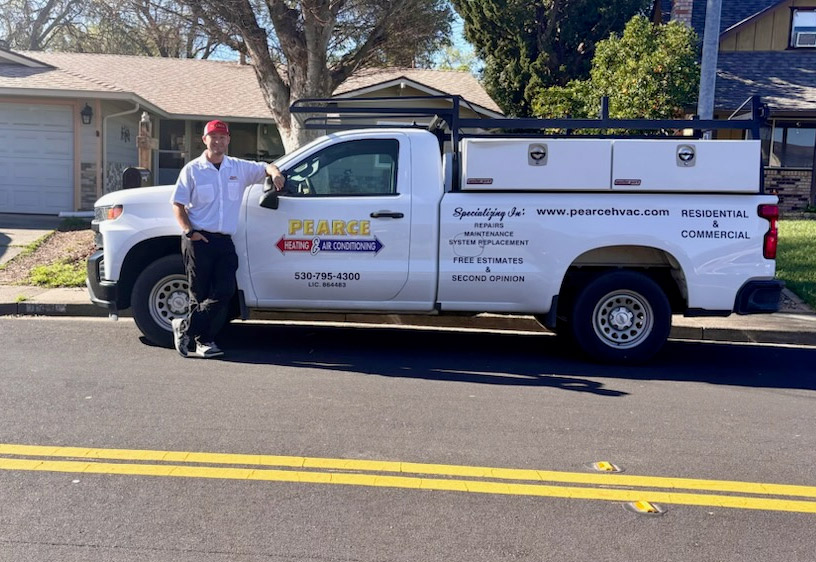
PEX fights scale and freeze damage better than rigid pipes and has an average service life of 30 to 50 years. PEX runs around $4 to $8 per foot, so it’s inexpensive compared to copper. It connects with crimp, clamp, or expansion fittings, cutting labor time and disrupting fewer finishes.
PEX isn’t perfect where UV exposure or direct sunlight exists and often requires barriers or protection against elevated chlorine in certain water sources. Regular flushing and periodic inspections aid in preserving water quality and system integrity.
CPVC
CPVC (chlorinated polyvinyl chloride) is a thermoplastic pipe for hot and cold potable water delivery and is chemically resistant. It is lighter than metal, easier to handle, and frequently used for residential repiping where price and simplicity of installation are the main concerns.
CPVC resists corrosion and mineral buildup better than metal and generally lasts 20 to 40 years. CPVC is around $2 to $5 per foot, so it is right in between PEX and copper in terms of cost. It utilizes solvent-weld joints, which are easy for experienced installers, but any joints have to be done properly to avoid leaks.
CPVC performs well for many water chemistries but eventually becomes brittle when exposed to long heat cycles from repeated heating. Professional inspection and occasional flushing maintain performance.
| Material | Strengths | Weaknesses | Best Uses |
|---|---|---|---|
| Copper | Very durable, corrosion and bacteria resistant, 50+ years | Higher material and labor cost, needs soldering | High-end builds, long-term installs, heat tolerance |
| PEX | Flexible, fast install, freeze and scale resistant, 30 – 50 years, $4 – 8/ft | Not UV-stable, fittings need protection in some systems | Retrofits, complex layouts, budget-conscious whole-house repipes |
| CPVC | Lightweight, chemical and corrosion resistant, 20 – 40 years, $2 – 5/ft | Can get brittle with heat cycles, solvent-weld joints | Cost-sensitive projects, domestic hot and cold runs |
Financial Realities
Repiping an older home is a big financial commitment. We present here the financial realities: the real costs, how to budget, the repeated repair versus one-time repipe tradeoffs, and how a brand new plumbing system impacts insurance and resale value.
Upfront Cost
- Size of home: Larger homes need more pipe, fittings, and time, so material and labor increase.
- Material choice: PEX typically runs between $4,000 and $7,000 for a full repipe. Copper can be anywhere between $5,000 and over $20,000 depending on market metal prices.
- Labor hours: Skilled plumbers bill for time. Harder jobs with many fixture tie-ins increase hours and cost.
- Accessibility: Walls, ceilings, and finished basements that are easy to reach lower labor. Chasing pipes through plaster or historic finishes increases cost.
- Fixture count and layout complexity: More bathrooms and long runs add fittings, valves and time.
- Local market and permits: Regional labor rates and permit fees matter. Urban areas often cost more.
- Hidden repairs such as rot, insulation, or structural fixes found during work add to the bill.
- Removal and disposal: Old pipe removal and waste disposal are additional line items.
Typical project ranges: a small home might be near $4,000 with PEX. The standard single-family home tends to run between $6,000 and $15,000. Copper jobs can soar past $20,000. Those upfront costs are recovered over time through fewer repair bills and a much lower risk of water damage. Leak-plagued houses tend to recoup the initial investment in avoided repair bills fairly quickly. Comparing five-year repair counts and typical emergency call charges against a one-time repipe makes the decision clearer.
Long-Term Savings
Switch out ancient pipes and the yearly plumbing bill frequently nose dives. Estimate: if a homeowner averages two emergency calls a year at several hundred each plus minor repairs, costs can easily exceed $1,000 to $2,000 annually. Repiping can cut that to routine maintenance only. Water bills decrease when the leaks cease. Even tiny concealed leaks waste gallons every day, accumulating over time.
By avoiding remediation for water or mold, you save thousands. Structural and mold repairs can easily climb into the high thousands, even exceeding the repipe price. A full repipe lasts decades, so the up-front investment amortizes over such a long service life that it significantly reduces the annualized cost relative to repeated spot repairs and replacements.
Insurance Impact
Insurers consider new plumbing less of a risk and may lower premiums after a reported repipe. Some insurers reject water claims associated with known older pipes or may require evidence of recent work in order to cover water damage. Repiping on the books softens claims and provides a valuable coverage bargaining chip.
In others, evidence of recent plumbing is necessary to maintain coverage or sidestep surcharges. New piping can decrease recurring insurance fees and defend against claim refusals.
The Process
Repiping involves replacing old piping with new lines and connecting them into the current plumbing system. It usually occurs in obvious steps so homeowners are prepared. Here is a streamlined step-by-step overview of a typical repipe, followed by an in-depth discussion of evaluation, installation, and restoration.
- Initial assessment and mapping of existing plumbing layout
- Material selection and work plan approval
- Partial water service shut-off and staged repiping
- Removal of old pipes: cutting drywall and accessing framing
- Installing new pipes and connecting to fixtures and mains
- Pressure testing and leak checks with advanced tools
- Repairing walls, floors, and ceilings; final cleanup
- Final inspection, system handover, and warranty documentation
The Assessment
A licensed plumber starts with an on-site inspection to evaluate pipe material, age, and layout. They record surface corrosion, pinhole leaks, water quality concerns, and evidence of previous repairs. High-risk areas like kitchens, bathrooms, and laundry rooms receive extra attention because they have all your fixtures and joints in one place.
Plumbers utilize cameras, thermography, and pressure testing to detect concealed leaks and vulnerabilities. They assist in mapping hidden lines inside walls and under floors without ripping everything apart. A comprehensive evaluation generates a repipe schematic, material list, project time frame, and a price estimate that factors home size.
Smaller houses sometimes come in the $4,000 to $7,000 range and larger homes are upwards of $15,000. An accurate evaluation lessens shocks. It develops a stepwise schedule that can minimize water shut-off time and anticipate interruption. Homes older than 25 years often require full repiping as pipes reach their lifespan.
The Installation
Work is typically completed over three stages to enable some water service and reduce outages. Water will be shut off as crews work, but plumbers can schedule reconnection at night to minimize disruption. Average repipe times are 2 to 5 days. Most single-family residential projects are done in 2 to 3 days.
Cut drywall where needed, dig out old pipes, run new lines, and attach them to fixtures and main supply. Typical materials are copper and PEX cross-linked plastic, with the decision depending on price, regional codes, and the specific needs of the house. A precise pipe layout is drafted from the evaluation to maintain flow and pressure at stable levels and to prevent issues down the road.
Licensed plumbers adhere to code, seal the connections, and pressure test. Pro installation has written warranties and records for lasting peace of mind.
The Restoration
Once the piping is down, crews repair drywall, patch floors and refinish ceilings. Restoration includes restoring surfaces to pre-repipe condition or better, including matching textures and paint when applicable.
Cleanup is part of the contract: debris removal, vacuuming, and disposal of old materials. Last checks make sure fixtures function, no leaks exist, and the system is operational. A good, professional repipe literally leaves the home safe, dry, and restored to visual beauty.
Beyond the Obvious
Repiping an older home isn’t just about leaks. It transforms how a house functions on a daily basis, impacts health and the environment, and moves long-term maintenance from reactive to strategic. The subsections below delineate less apparent advantages, prevalent misconceptions and concrete results to assist homeowners in making an informed decision.
Environmental Impact
New pipes reduce water waste by preventing slow leaks and unseen drips that accumulate over months. Plumbing leaks are a leading cause of preventable water waste. Repairing them renews full water pressure and ends the drip-drip-drip that damages community water systems.
Correctly sized new lines eliminate flow restrictions from decades of mineral deposits and corrosion, meaning appliances and fixtures use water more efficiently. More optimized flow reduces energy consumption for heating water. Less waiting on hot water and fewer re-runs of the dishwasher or washing machine lead to less energy consumption and smaller utility bills.
Once you get lead, galvanized steel, or other old materials out of the way, you remove an immediate source of contamination. Many pre-1970s homes used these materials. Swapping them out minimizes health concerns and the need for constant water testing or filtration.
Modern piping materials such as PEX and certified copper endure for decades with less upkeep. They’re lighter, use fewer joints, and frequently employ manufacturing techniques that minimize waste. Opting for recyclable or long-life materials facilitates a more sustainable home infrastructure and lessens the chance of invasive repairs down the road.
Peace of Mind
A complete repipe provides homeowners with the assurance that the system will work. No more guessing where the next leak is going to come from. Restored water pressure makes showers, dishwashing, and laundry better instantly, and the cessation of constant patch repairs reduces time and stress.
Daily irritants like weak pressure or sweating and dripping pipes are banished. The chance of ruptures that cause costly water damage plummets since new construction adheres to up-to-date codes and employs proven materials. When a pro crew installs it, documentation and warranties frequently accompany the job, providing long-term confidence in how it performs and who handles defects.
Common Myths
- Repiping always takes weeks and destroys interiors.
- Modern materials like PEX are not durable.
- Only homes older than 80 years need repiping.
- Repiping is just cosmetic and not worth the cost.
- Repiping always costs far more than it should.
Depending on size and layout, work can wrap up in a few days to a week. Disruption, on the other hand, tends to be localized and with planning, quite manageable. PEX and CPVC have great records when properly installed.
Galvanized steel tends to fail after 40 to 50 years. Pipe condition, not necessarily age, should lead the way. Costs depend on home size. Small 1,000-square-foot homes may cost around $4,000, while larger homes surpass $15,000. This is an infrastructure investment that pays dividends every day.
Conclusion
Repiping delivers obvious lifetime benefits to older homes. New pipes reduce leaks, boost water quality, and trim repair bills. New-age materials like PEX and copper fit into tight schedules and endure for decades. They provide consistent water pressure, reduced smells, and a reduced chance of water damage. Home values increase and insurance claims decrease. Short-term disruption finishes quickly. Our crews work room by room, set timelines, and leave the site clean. For most owners, the expense returns in avoided repairs, increased resale value, and peace of mind.
If the house exhibits rust, low flow, or frequent patches, schedule a pipe audit next. Get two bids, browse materials, and choose a contractor with local reviews. Schedule a site visit or request a transparent quote today.
Frequently Asked Questions
What are the main signs my older home needs repiping?
Typical symptoms are low water pressure, discolored or rusty water, recurrent leaks, banging noises in pipes, and visible corrosion. These multiple or repeating problems usually indicate that the entire system requires replacement, not just repairs.
How long does repiping an older home usually take?
Most repiping work for an average home requires two to five days. Depending on the size of your home, access to the pipes, and the materials you choose, the time will vary. Your contractor will be able to provide a more specific estimate once they’ve done an inspection.
Which piping materials are best for older homes?
Modern options are cross-linked polyethylene (PEX), copper, and CPVC. PEX is flexible, corrosion-resistant, and cost-effective. Copper is tough but more expensive. Material options vary based on budget, local codes, and the home’s condition.
Will repiping increase my property value?
Yes. Besides reducing future maintenance risk, repiping is something buyers like to see. It adds marketability and often increases the sale price if older, failing pipes were a known defect.
How much does repiping typically cost?
Prices differ by home size, pipe material, and local labor rates. Anticipate a big range. Getting three quotes from licensed plumbers provides the most accurate price estimate. Request a written scope and warranty.
Can I stay in my home during repiping?
More often, yes. Most contractors schedule work to maintain usability in portions of the home. Go over access, temporary water shutoffs, and safety plans with your contractor before work begins.
What warranties and guarantees should I expect?
Seek a written warranty on materials and workmanship. Standard coverage is between 1 year and a lifetime on some materials. Check the contractor’s licensing, insurance, and reviews as well.