


Key Takeaways
- California’s valley geography and intense solar gain drive attic temperatures very high, which directly elevate home cooling loads and AC energy use. First, let’s talk about why reducing attic heat is a priority for lower bills and more comfort.
- Pair radiant barriers with additional ventilation and enhanced insulation and duct sealing for short and long-term reductions in attic to living space heat transfer.
- Intake and exhaust vents need to be balanced, and thermostatic attic fans should be considered in order to maintain consistent attic temperatures without creating negative pressure or drawing in excess dust.
- Shield the HVAC unit with insulation, shading, or relocation. Add temperature sensors to prevent heat-induced power throttling and to avoid shortening the system’s lifespan.
- Employ unconventional strategies such as night flushes, cool roof coatings, and microclimate landscaping. Monitor costs and temperature to discover the most effective combination for your own home.
- Add smart controls and seasonal schedules so attic fans, vents, and HVAC react to real-time attic conditions for optimized efficiency and comfort.
How to keep an attic from overheating your AC in a winter’s California summer and block heat gain and improve airflow. Local summers provide high sun and temperatures that boost attic temperature, in turn forcing AC to run longer and consume more energy. This can be done by sealing gaps, adding insulation, installing ridge or powered vents, and using reflective roof coatings. The body provides specifics, including costs, tools, and step-by-step alternatives for dwellings in your area.
Valley Heat Dynamics
Valley heat dynamics, the same principles that describe how heat builds and moves in low-lying basins, have immediate implications for your attic in a California summer. Sun-warmed slopes and ridges heat the air above them during the day. Warm air rises from those slopes and spills into the valley, where it stagnates. At night, valley air cools less than surrounding higher ground because the heated land and rock continue to radiate heat back into the basin. That stored heat raises ambient temperatures and can maintain air near the ground and structures, such as attics, warmer for longer than at non-valley locations.
Topography and local weather go hand-in-hand. Valleys are prone to temperature inversions, where warm air traps cooler air at the surface, inhibiting upward mixing. That captures heat, smog, and moist air. Urban heat island effects add to the problem in built-up valleys. Pavement and buildings soak up daytime sun and release it after dark, raising night temperatures and continuing to warm attics. Land use changes and decreased vegetation increase solar exposure and reduce shade and evapotranspiration cooling. Proximity to water bodies and tree cover can help reduce local air temperature and attic loads.
Roof solar gain is an express elevator to scorching attic temperature. Sun striking roofing materials transforms into thermal energy which then transfers through shingles or tiles into the roof deck and attic air. Dark roofing and inadequate insulation compounds this. In direct sun, attic temps top out at 130°F in neglectfully bespoke spaces. Given sufficient ventilation and reflective or light-coloured roofing, a well-managed attic should operate just 18 to 36°F above outside air and ideally never exceed 110 to 120°F. When it’s higher, heat pours down into living spaces through ceilings and ductwork, increasing cooling loads.
Elevated attic temperatures add to home cooling loads in direct, quantifiable ways. Heat conducts through ceilings and leaks through recessed lights, chimneys, and gaps, adding sensible heat to conditioned rooms. Your HVAC then cycles more often and runs longer, consuming more electricity to expel that extra heat. Ducts in hot attics bleed cooling and make the system work harder. Research and field measurements reveal a direct relationship between elevated attic temperatures and elevated energy bills and reduced system performance, particularly where insulation, air sealing, and ventilation are insufficient.
Understanding these valley-driven mechanisms helps prioritize interventions. Add reflective roofing or radiant barrier, improve attic insulation and sealing, increase passive or mechanical ventilation, and restore vegetation or shade where practical. These actions directly lower attic heat, trim AC runtime, and increase indoor comfort.
Core Thermal Solutions
Core thermal solutions aim to halt heat before it makes its way from the roof and attic into your conditioned rooms. Smart combinations of reflective barriers, insulation, ventilation, ductwork control, and air sealing are essential. Here are core tactics to minimize attic heat conduction and decrease cooling loads. Mix quick fixes and long-term improvements, and always install correctly.
- Radiant barriers install under roof decking or on attic rafters to reflect radiant heat.
- Include balanced passive vents (soffit intake and ridge or gable exhaust) to facilitate natural airflow.
- Insulate attic floor and roof cavities to the correct R-value for your climate zone.
- Wrap and seal HVAC ducts in the attic with high R-value duct insulation and mastic at joints.
- Seal gaps at hatches, penetrations, and recessed fixtures with caulk and weatherstripping.
- Install thermostatic attic fans or whole-house fans sized to attic volume, providing no negative pressure.
- Keep surfaces and vents reflective. Check yearly to maintain performance.
- Combine methods: radiant barrier, insulation, ventilation, and duct sealing yield the greatest cooling reduction.
1. Radiant Barriers
Radiant barriers reduce radiant heat transfer, with certain products reflecting as much as 97% of the radiant energy that hits them. Typical forms are foil-faced sheathing, foil stapled to rafters, or spray-on reflective coatings. Mount the barrier below the roof deck or on rafters with the reflective face toward an air gap to maximize reflection and minimize conductive contact. The cost is typically lower than complete insulation replacement, and payback is quicker in extremely hot climates. Maintenance is minimal but required. Keep the foil clean, dry, and free from tears so reflectivity remains high.
2. Passive Vents
Passive ventilation depends on pressure differentials and temperature differences to circulate air. Soffit vents for intake and ridge or gable vents for exhaust make a continuous path. Balanced intake and exhaust eliminates dead zones and lowers attic temperatures, which can soar to 130 to 150 °F on hot days. Keep vent openings free of insulation and debris. Blocked vents trap heat and moisture. Do not vent too much to suck conditioned air from the house. Strive for the recommended net free area per attic volume.
3. Duct Insulation
Attic ducts are a major source of heat gain and conditioned air loss. Wrap ducts with high R-value insulation, such as R-8 to R-12 for much of the country, and seal joints with mastic or foil tape. Trade out sagging or crushed ducts and insulated duct boards. A quick comparison is that fiberglass wrap is cheap and flexible, foil-faced board offers higher R per inch, and closed-cell foam gives an excellent seal but costs more.
4. Air Sealing
Air sealing prevents hot attic air from seeping into living spaces. Pay special attention to attic hatches, recessed lights, plumbing stacks, and electrical penetrations. Weatherstrip doors and caulk around small gaps, using spray foam for the larger voids. Routine inspections and resealing keep performance up and cooling bills down.
5. Attic Fans
Powered attic fans actively exhaust hot air. Select thermostatically controlled units that correspond with attic cubic feet and don’t create negative pressure that sucks conditioned air out. Size fans for several air changes an hour and check for balance with passive vents to avoid drafts. Fans are most effective with proper insulation and sealed ducts.
Airflow Balance Strategy
A clear goal is to keep attic air moving so the space stays within 18 to 36 degrees Fahrenheit above outdoor temperature and well below excessive ranges. Properly balanced intake and exhaust vents allow cool outside air to enter low points and warm air to exit high points, reducing the heat load that would otherwise transfer into conditioned rooms. The right balance and an open flow cut down on daytime heat build-up and help your air conditioner run less.
Begin by reviewing intake and exhaust varieties and quantities. Intake vents are soffit or low eave vents. Exhaust vents are ridge, gable, or powered vents at the peak. A well-ventilated attic requires both types to permit continuous circulation of air. If intake is blocked by insulation or exhaust is undersized, warm pockets develop and attic temperatures can exceed outdoor air temperatures by a wide margin, sometimes reaching 120°F or more on sunny days. That level, more than 110–120°F, indicates a ventilation issue and increases heat flow into living spaces.
We complete an attic airflow checklist. Take your attic temperature on a roasting hot day and see how it stacks up against the outside. Inspect soffits for blockage by insulation and confirm that ridge vents are continuous and clear. Mark vent area in square inches against attic floor area to estimate adequacy. Check airflow with a smoke pencil or incense near intakes and exhausts to find air that moves steadily, not in isolated drafts. Note roof surface color and material. A dark shingle can increase roof-deck temperature by 30 to 50 degrees Fahrenheit versus a light shingle, intensifying the demand for balanced ventilation.
Move vents around to remove hot spots and pocketed still air. Supplement or move soffit vents where intake is weak and extend ridge vents or install continuous exhaust at the highest point to pull air throughout the entire attic. Position passive vents to generate crossflow rather than using one single gable vent that can short-circuit airflow. For big attics, separate into zones with balanced intake and exhaust. Use low-power attic fans only when you cannot passively balance and size them so intake area is at least as large as fan capacity to avoid depressurizing the house.
Time ventilation upgrades with your insulation improvements for the greatest cooling impact. Seal gaps at ceiling penetrations first so attic air does not enter conditioned rooms. Of course, you can put insulation along the attic floor to avoid heat transfer, but be careful not to block intake vents. Whenever you switch roofing color or material, it’s best to check your ventilation and insulation. Dark shingles boost heat input. Good ventilation and good insulation can really reduce their impact.
Equipment Protection Upgrades
Attic equipment experiences punishing heat that reduces service life and increases repair expenses. These small upgrades to protect individual HVAC components reduce strain, decrease energy consumption, and contribute to keeping systems operational through peak summer heat with less breakage. Here are targeted, actionable tips to protect equipment, relocate exposed components, track conditions, and stay on top of maintenance.
Shield HVAC equipment in the attic with insulated covers or enclosures
Wrap or box vulnerable units with purpose-built insulated covers that defy radiant and conductive heat. Go with high-temperature and moisture-rated materials like foil-faced polyiso or closed-cell foam with a reflective skin. Covers must permit airflow where necessary and provide removable panels for service access. For example, insulate a ductboard enclosure around an air handler and line nearby walls with a radiant barrier to reduce heat by reflecting sunlight. Radiant barriers can reflect as much as 97% of radiant heat. Upgrading your attic insulation in conjunction with adding a radiant barrier can reduce attic temperatures by 27 to 50 degrees Fahrenheit, translating to less work on the unit and longer component life.
Relocate sensitive components away from peak heat zones if possible
When possible, reposition thermostats, control boxes, electrical components, or condensate drains out of the attic ridge, where temperatures reach their highest point. Situate them near cooler soffit areas, or perhaps inside an insulated closet in the attic. When moving isn’t practical, build yourself a little conditioned or ventilated box for controls and electronics. Even just a few feet of distance can diminish exposure to those 130 to 150 degrees Fahrenheit attic peaks, reducing the risk of failure and that it will explode during the hottest hours.
Install temperature sensors to monitor attic equipment conditions
Position wired or wireless temperature sensors proximate to air handlers, compressors, and control panels to monitor real-time conditions. Connect sensors to a building management system or a basic alert app that warns you when temps go above set thresholds. For equipment protection upgrades, use sensor data to trigger ventilation fans, shut motorized dampers, or load shift to cooler times of day. Real-time monitoring identifies emerging issues prior to a failure and enables focused equipment protection upgrades that reduce energy and avoid unexpected downtime.
Schedule regular maintenance to prevent heat-related breakdowns
Establish a seasonal service regimen consisting of checking insulation, radiant barriers, ventilation pathways, and equipment enclosures. Clean coils, check refrigerant charge, verify fan motors, and replace aging capacitors and belts prone to heat stress. Make sure ventilation, including soffit and ridge vents or attic fans, is clear and working properly. Proper maintenance decreases the risk of heat-induced breakdowns and reduces lifetime cost by maintaining system efficiency.
Unconventional Cooling Tactics
These are strategies that go above and beyond the typical insulation and ridge vents. Instead, they target proactive, location-specific, and hybrid strategies that cool the attic, minimize heat flow to the living space, and lighten air conditioning’s burden. Think about practicality, expenses, and quantifiable outcomes before adopting.
Night Flushes
Open vents or attic windows on either side of the house to catch a through-breeze at night. Ventilate both early morning and late evening, when outside temperatures drop. A cross-flow pulls cooler air through the attic and carries heat out. Try a whole-house fan after sunset to accelerate air exchange. Combined with adequate insulation and a radiant barrier, the fan can circulate massive amounts of air and reduce attic temperatures significantly. Time flushes for the lowest nightly hours, often between 01:00 and 05:00 locally, so the attic reaches the coolest baseline before daytime heat.
Place a fan with a frozen water bottle in the attic access or near a window to locally boost cooling where needed. Freeze the bottle at least six hours, preferably overnight, then set it so the fan blows across it. This cheap hack can shave a few degrees in immediate spaces and is useful during transition nights when outdoor temperatures are only moderately cool. Close vents and windows at sunrise to trap the cooler air. Sealing at daybreak helps the attic start the day from a lower temperature and slows heat seepage into conditioned zones.
Roof Coatings
Use reflective or “cool roof” coatings to curb solar absorption on dark or old shingles. Select products designed for high UV exposure and California’s climate conditions. Silicone or acrylic cool coatings are popular options that offer lasting reflectivity. Recoat on the manufacturer’s recommended schedule, generally every 5 to 10 years, to maintain performance.
Calculate energy savings before and after application to evaluate ROI. Below is a sample comparison for a 2,000 square foot roof (values illustrative):
| Metric | Before Coating | After Coating |
|---|---|---|
| Peak attic temp (°F) | 158 | 140 |
| Estimated annual cooling savings (USD) | 0 | 240 |
Microclimate Landscaping
Plant shade trees or build pergolas to shade roof slopes with the highest solar gain. Place trees strategically so roots won’t harm foundations and pick species appropriate to regional water restrictions. Unconventional Cooling Tactics: Use light-colored gravel or ground cover in proximity to the building to minimize reflected heat hitting eaves. Try to design your plantings and hardscape so that evening breezes blow directly onto your attic vents. Small openings and vent placement are important. Remember to keep vegetation trimmed to prevent leaves piling up on your roof and in your gutters that can trap heat and limit ventilation. Keep these seasonally for continued advantage.
Smart System Controls
Smart system controls that coordinate thermostats, attic fans, and HVAC keep attic heat from overtaxing the AC. They provide a direct means of balancing cooling output to the attic’s actual demand, minimize waste, and solve hot spots in the home. Leverage them to connect equipment, schedule runtimes, and collect location-specific information so the system reacts to real attic conditions rather than static estimates.
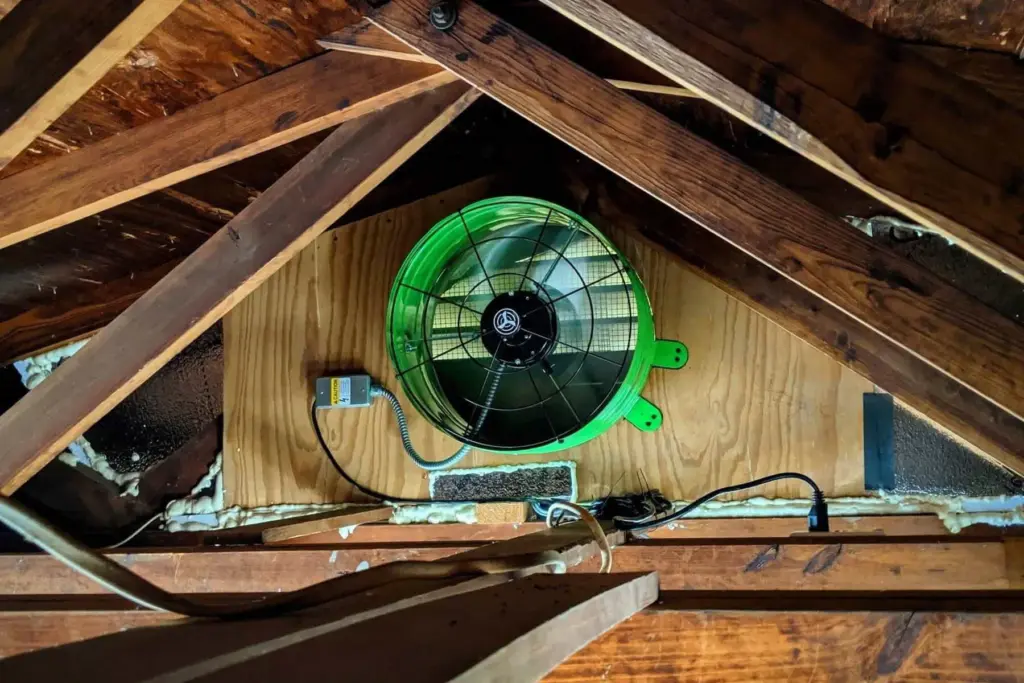
Combine programmable thermostats with attic fans and HVAC. Hook attic fan relays and HVAC call signals up to a central programmable thermostat or control hub so the fan kicks on when attic sensors reach a threshold. For instance, you configure the attic fan to come on at 110°F and shut off at 100°F, while the thermostat increases supply air ever so slightly to prevent cold drafts. Integration means that the attic fan and AC won’t battle it out, with the fan reducing attic radiative heat load and the AC shifting only as necessary.
Schedule cooling units according to actual attic temperatures. Compose time of day rules linked to your attic sensor readings instead of hard clock-only schedules. Run more ventilation during midday peaks and less after sunset. Program zones to shift setpoints: for instance, lower living-area setpoint by 4°F from 14:00 to 20:00 when attic sensors show peak rise, then relax overnight. Scheduling based on the real attic temperature reduces run time and keeps the AC from making up for temporary attic heat.
Keep tabs on your attic conditions remotely with smart sensors. Add temperature and humidity sensors to your attic, then monitor the data from any web-enabled device. Remote monitoring lets you identify trends, such as whether insulation gaps or blocked vents are causing spikes. Employ alerts for abrupt humidity spikes that suggest roof leaks. Access to live data displays energy use in real time, allowing you to evaluate if attic-driven cooling is driving consumption up and adjust controls as needed.
Seasonally set your controls for optimal comfort. Switch between “Summer” and “Winter” modes that many systems support, using directional arrows or simple mode buttons to change logic. Summer mode prioritizes attic ventilation and higher AC setpoints to fight radiant attic heat. Winter mode limits attic fan use and favors heat retention. Reprogram zone setpoints and humidity targets by season, and automate these changes so the control flips modes on set dates or by outdoor temperature. Seasonal tuning keeps the system efficient year-round and helps solve upstairs/downstairs imbalances by tailoring airflow and setpoints per zone.
Conclusion
The attic is a hot box that makes cooling systems overachieve. Throw in some additional roof vents, a ridge vent and a powered attic fan. Put in a radiant barrier and a minimum of 8 to 12 inches of loft insulation to reduce heat transfer. Ducts must be sealed and insulated. Install a whole-house fan for night purge cooling. Use a smart thermostat and set attic temperature alerts to detect issues early. Inspect attic vents and insulation semi-annually and after any roof work. A local HVAC pro can test duct leakage and suggest load reduction. Small steps add up: better venting, tighter ducts, and simple controls save energy and keep rooms cool. Prepared to map out the modifications? Reach out to a reliable contractor or schedule an energy audit.
Frequently Asked Questions
How does attic heat make my AC work harder in summer?
Hot attic air heats both the roof and the ceiling. Your AC has to cool warmer indoor air, so it runs longer. Minimizing your attic’s heat keeps your AC from overworking in the summer.
What attic insulation prevents heat transfer best?
Use high R-value insulation matched to your climate. Common choices include spray foam for air sealing and cellulose or mineral wool for bulk insulation. Installation is key and coverage needs to be constant.
Will attic ventilation alone keep my attic cool?
Ventilation assists but is seldom sufficient alone. Pair vents (soffit, ridge, or gable) with insulation and radiant barriers for maximum effectiveness. Ventilation cuts peak heat but does not reduce conduction.
Are radiant barriers worth installing in hot climates?
Yes. Radiant barriers bounce the sun’s heat right off your attic floor, lowering ceiling temperatures and your AC load. This is especially valuable in hot, sunny areas.
Should I seal attic air leaks to protect my AC?
You bet. Seal all gaps around ducts, chimneys, attic hatches, and ceiling penetrations. Air sealing minimizes warm air infiltration and conditioned air exfiltration. This enhances your AC’s effectiveness.
How can I protect my HVAC equipment in a hot attic?
Relocate equipment to conditioned space if you can. If not, insulate and ventilate the attic and install a platform, shade, or protective housing for outdoor units. Regular maintenance is a must.
Can smart controls reduce AC strain caused by attic heat?
Yes. Smart thermostats and zoning cut runtime during peak attic heat. With setback schedules and remote monitoring, keep cooling efficient and bills lower.