
Key Takeaways
- Always unplug power and have dry hands before doing any maintenance to avoid electrical shock. Post a reminder outside the house to not turn it back on by accident.
- Practice roof safety when servicing rooftop coolers. Secure a ladder, wear non-slip shoes, avoid wet windy conditions, and test roof stability first.
- Keep a seasonal maintenance schedule that involves changing pads at the beginning of the season, flushing and sanitizing the reservoir once a week, clearing water lines, lubricating the motor once per season, and regularly checking belt tension.
- Filtered or treated water and water treatment cartridges minimize mineral scaling. Use vinegar or citric acid for natural descaling and rinse units well after treatment.
- Tweak your maintenance schedule to Colombia’s regional conditions by inspecting and changing water more frequently during hot or dusty periods and shielding units from heavy rain or flooding with adequate drainage and elevation.
- Employ intelligent monitoring and a digital maintenance log to receive warnings regarding low water or irregular operation, and contact a licensed technician for ongoing electrical concerns, leaks, or major repairs.
Swamp cooler maintenance tips for homeowners assist in keeping evaporative coolers humming strong during dry L.A. Summers. From cleaning pads to checking water lines and the fan motor, these swamp cooler maintenance tips for homeowners can help you avoid breakdowns and lower energy consumption.
Seasonal tune-ups save money and extend unit life while improving indoor air quality. Some practical steps and a simple checklist follow to help homeowners through routine care and just-in-time repairs for reliable cooling.
Critical Precautions
Critical precautions Before you open panels or climb a roof, know the dangers and the fundamental precautions that safeguard you and preserve the unit. A seasonal check prior to summer keeps most of them from failing, and daily and monthly cleanings, nightly drying of media and replacing pads every five years keep the cooler efficient and reduce hazards.
The tips below span electrical safety, roof work and exterior inspection so you can kick off maintenance with confidence.
Power Disconnection
Turn off the main power switch or unplug the swamp cooler before any inspection or repair. Make sure the circuit is off by testing the fan and pump controls. Attempt to power the unit from its normal controls and make sure there is no movement or sound.
Employ a non-contact voltage tester at terminals when you can and use insulated tools around wiring to reduce shock risk. Put a ‘Danger’ sign or tag at the breaker or on the unit so that no one will turn back on the power while you work.
Don’t just keep your hands dry; keep water off electrical components. If you have to rinse parts, isolate the electrical box and coat switches with waterproofing tape. Before the summer start-up, check water lines for cracks from winter freeze and inspect for mineral build-up that can alter current draw.
Clean clogged lines and replace pads older than five years to reduce the chance of faulty operation and short circuits.
Roof Safety
Anchor the ladder on firm ground and whenever possible, have a helper stabilize it and pass tools up and down. Never work on a roof on a wet or windy day. One slip on clay tile or a metal roof could kill you.
Inspect the roof plane for loose shingles, soft spots or debris and clear the vicinity before you step adjacent to the unit. Wear non-slip shoes and use a safety belt when the roof pitch is steep.
If the cooler is on a high or complex roof, enlist a local tech who has installed coolers in LA and other Colombian cities with similar roofs. Exhibited underneath are crucial precautions and when to wear them.
| Item | Purpose |
|---|---|
| Sturdy ladder | Stable access to roof |
| Non-slip shoes | Prevent slips on wet or dusty surfaces |
| Safety belt/rope | Fall protection on steep roofs |
| Gloves and eye protection | Guard against sharp edges and debris |
Check the unit exterior for rust, razor blades, peeling panels or evidence of rodent damage before you go poking around. Rusted screws and corroded metal can give way without warning.
Swap out fasteners and treat corrosion to prevent cuts or collapses. Clean and dry your cooler adequately before winter storage to avoid damage from mold, mildew and minerals and to get the next season’s start-up off to a smooth start.
Maintenance Routine
A defined, easily repeatable maintenance routine that will keep an evaporative cooler running strong through Colombia’s warm dry months. Let the checklist below cover pre-season, in-season, and end-of-season care. Then use the detailed tasks for a focus on pads, reservoir, lines, motor, and belt. Record all work, dates, and component condition so you can detect patterns and schedule replacements.
- Pre-season (spring prep)
- Check and replace evaporative pads if cracked, clogged, or over five years old. Match pads to your model for perfect fit and airflow. Wrap and discard used pads in sealed bags so that old pads don’t spread mold all over the place.
- Clean the outside by wiping the unit weekly with a soft, damp cloth and mild soap, and dust louvers and the housing before heavy use.
- Empty the basin, wash with a gentle, non-toxic cleanser, rinse, and inspect for leaks or fractures. Patch any damage before refilling.
- Inspect water lines for mineral scaling. Swap out brittle hoses and unclog with a flexible brush to spread water more evenly over media.
- Maintenance routine
- Weekly: Dry evaporative media when the unit is off to prevent mold, mildew, and bad odors. Empty and scrub the reservoir weekly to remove algae and sediment and rinse well.
- Weekly: Wipe down the exterior and remove debris from intake and exhaust areas.
- Monthly: Lubricate motor bearings and fan assembly with manufacturer-recommended lubricant, then wipe away excess. Listen for any screeches or grinds that indicate bearing failure.
- Monthly: Inspect the fan belt for frays or cracks. Adjust belt tension to specifications and ensure pulleys are aligned to limit noise. Always have a backup belt for easy switching.
- Maintenance
- Completely empty, clean, and dry the reservoir and all internal components before storage to prevent microbial growth.
- Take off pads and store if the manufacturer recommends, or change at the season start. Note the date and condition of the pads.
- Plug vents and tarp the unit to keep the critters and dust away during the wet season.
Swap pads at season start and mid-season for mineral buildup or odors. If pads smell musty or crack, replace them immediately. Once you flush back the reservoir, test the water flow to confirm pad wetting is even.
Blow out lines with compressed air or brush with a flexible bristle, then cycle the system for a minute or two to test distribution. For lubrication, use as little as necessary and watch your motors. Too much lube will collect dust.
Adjust belts once running and recheck in 24 hours. Note every task, replacement part, and repair cost in a maintenance log to monitor wear and schedule preventive purchases or service.
Water Quality
Water quality is what decides your cleanings, your wear parts, and your swamp cooler’s cool. Bad water accelerates pad wear, leaves mineral deposits on the reservoir and outside, and increases the risk of odors or microbial growth.
Here are some easy ways to keep water clean and ease maintenance in Colombian homes, where mineral content and local supply differ by city and altitude.
- Wherever possible, use filtered or treated water to reduce mineral deposits on pads and in the tank.
- Install a water treatment cartridge or an evaporative cooler additive to slow scale formation.
- Drain and refill the reservoir weekly in hard-water zones to keep cooling effective.
- Flush the tank and sediments visible at least once a month. Flush more frequently if water appears murky.
- Check pad edges and outside for white or rusty deposits. Rinse or replace as necessary.
- For municipal or well water with obvious particulates, consider a basic inline sediment filter.
- Have extra pads available. Rigid cooling media have a lifespan of three to five years depending on water quality.
- Notice odors early. They typically indicate organic growth or sediment trapped that requires cleaning.
Mineral Scaling
White crust on pads, less air flow, less cooling, and gritty sediment in the tank are symptoms of scaling. Brown or orange stains on metal components, sticky residue on the pump or float valve, and musty smells are a sign of mineral or biological build-up.
Hard-to-squeeze pads, visible blockages in water channels, and more frequent pump noise all indicate heavy scaling.
Cleaning action: Remove pads, brush gently with a soft brush, soak affected parts in a descaler, and rinse thoroughly. Substitute pads that remain stiff or have deep mineral pockets. Airflow and cooling plummet with heavy scale.
Prevent scale and clean quickly with a soft brush and descaling solution to protect pad life and cooling. Exchange heavily scaled pads. Rigid media lasts three to five years, but that decreases with bad water.
| Symptom | Cleaning interval |
|---|---|
| Light white dust on surfaces | Monthly clean |
| Visible crust on pads | Every 2–3 weeks treat |
| Tank sediment or cloudiness | Weekly drain/flush in hard water |
| Corrosion or orange stains | Immediate inspect and descale parts |
Natural Descalers
Use vinegar or citric acid mixes as green descalers. They eliminate mineral build-up without harsh chemicals.
Soak removable parts, pump housings and small fittings in vinegar to loosen deposits. Large pads can be surface-rinsed and then soaked along edges. Rinse parts thoroughly to prevent smells or residue.
Repeat natural descaling monthly where water is hard. This maintains pads and the tank operating longer and minimizes replacement frequency.
Regional Adaptations
Regional adaptations in Colombia, for example, where regional differences influence how and when you service a swamp cooler. Wet coastal and Amazonian climates reduce the effectiveness of evaporative cooling. You need to concentrate on humidity and mold control.
The high plains and semi-arid areas like portions of La Guajira and some interior valleys allowed evaporative coolers to perform well but required more dust and mineral-focused maintenance. Spring is the best time to prepare for the cooling season. Inspect the shell, test the motor, and check water lines before temperatures rise.
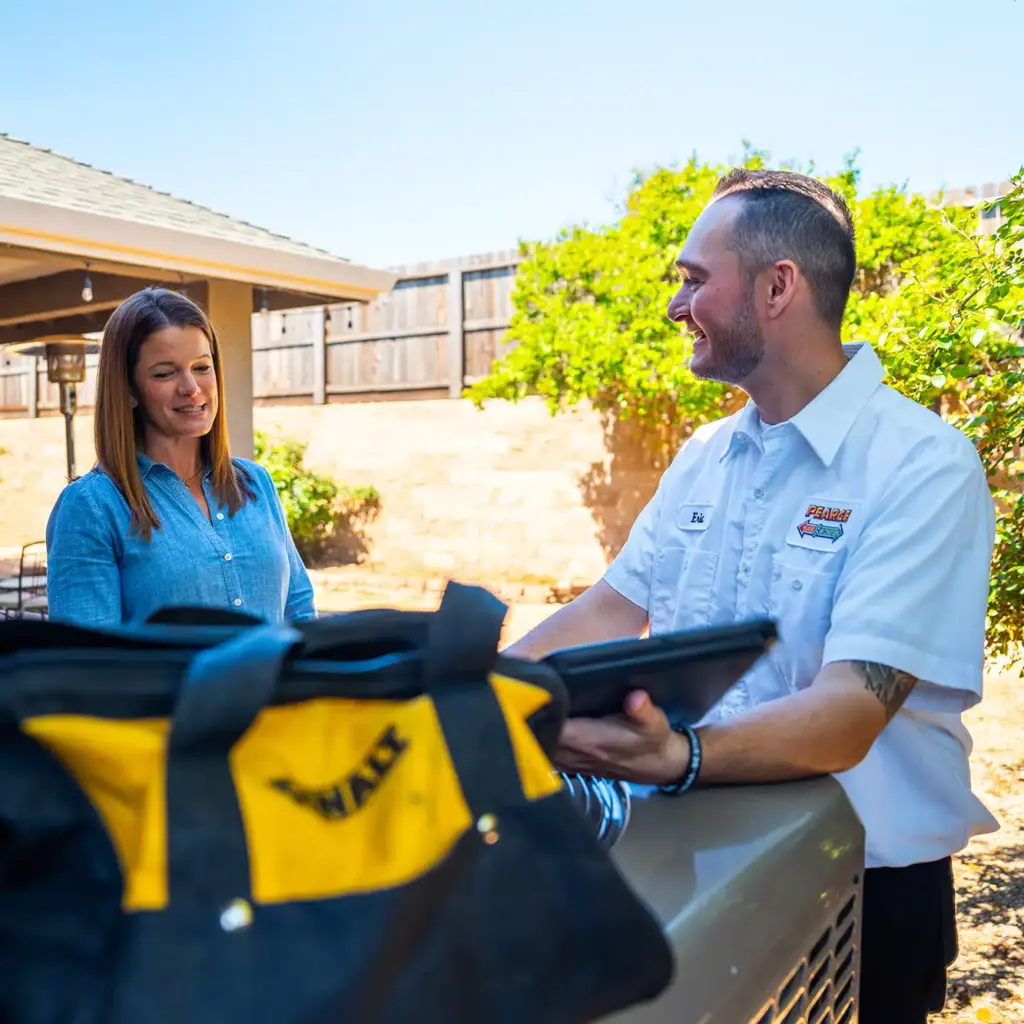
Adjust maintenance frequency based on Colombia’s humid or dry climate zones for optimal swamp cooler performance.
For dry zones, check pads and water flow monthly during peak season usage. Low humidity facilitates cooling, thus pads wear out sooner due to frequent evaporation. In humid areas, reduce run time and emphasize drying and mold prevention measures.
Examine pads every six weeks since saturation and organism development are the primary concerns. In highland areas with daily temperature swings, run during cooler hours and inspect seals more frequently to avoid condensation damage. In all zones, schedule a comprehensive system check before the season and a second one midway through.
Increase pad inspections and water changes during periods of high heat or dust storms.
In hot spells and dust storms, inspect pads every 2 to 4 weeks. Dust gums pads and lowers airflow. If there is a light mineral crust, soak pads in a vinegar-water solution for a few hours and rinse clear.
For hard-water locations, replace pads at the season start and once more mid-season. Dry pads at the day’s end when feasible to reduce mineral and bio buildup and prolong pad life. More frequent changes of water inhibit sediment and bacteria. Use a simple schedule: empty and flush weekly during extreme conditions and deeper clean monthly.
Protect the unit from heavy rainfall or flooding by ensuring proper drainage and elevated installation.
In flood-prone or heavy-rain areas along the Pacific coast, place the cooler on a stable platform, such as wood or concrete blocks. Make sure the casing has sealed vents and that the pan drains freely to a safe runoff or gravel bed.
Close intake vents or use covers during prolonged rains to avoid waterlogged pads and motor damage. If your region experiences the occasional storm, put a simple float valve and overflow line in to prevent uncontrolled flooding of the pan.
Use local water quality reports to tailor your maintenance routine and water treatment choices.
Consult your local water report for minerals. High mineral areas require more frequent pad change and even a small water softener or pre-filter to reduce scale. If mineral content is mild, vinegar soaks and periodic flushing tend to be enough.
Take advantage of your local extension services or water labs for such tests. With the right storage and a winter check, coolers can last through 15 to 20 years of steady care.
Smart Monitoring
Smart monitoring injects real-time visibility into a swamp cooler’s performance, making upkeep more predictable. Start with cooler type, motor and controls so you know what sensors and smart gear will work. Note if the unit has a 2-speed or multi-speed motor, separate fan and pump controls, IR remote, or older line-voltage controls, as each influences smart device and wiring choices.
Portable and window coolers can be covered with smart plugs. Built-in units might have to be relayed or used with a smart IR hub if the cooler comes with an IR remote.
Create a checklist to outline the steps for setting up smart monitoring for optimal swamp cooler performance.
- Identify unit type: portable, window, or rooftop. Identify motor kind and steering kind.
- Inspect controls: separate fan and pump switches, single-stage thermostat compatibility or line-voltage older controls.
- Choose hardware: smart plug for plug-in models, smart IR hub for IR-remote units, or low-voltage relay or contactor for hardwired units.
- Add sensors: temperature, humidity, and a water-level float or leak sensor in the reservoir.
- Set up an energy monitor or smart plug that reports power draw.
- Connect devices to a central app or platform. Then test each function: on/off, schedule, alerts.
- Establish baseline readings for normal temperature, humidity, and power consumption.
Set up alerts for maintenance reminders, low water, or abnormal operation to prevent breakdowns.
Set up alerts in the app for essential things. Low-water alerts avoid dry run, and overflow or leak sensors alert to potential filling problems. Schedule annual pad checks and set reminders.
Cooling pads typically need replacement every year or two depending on water quality and use in Los Angeles’ warm, dry climate. Make alerts for abnormal current draw to flag motor strain from worn bearings or a failing pump. Save even more with our smart monitoring tools.
Use a digital maintenance log or app to schedule and record all swamp cooler service tasks.
Maintain a rudimentary digital record of the dates for pad replacements, belt inspections, motor oiling, and water valves. Log sensor values and alerts along with actions and part costs in COP.
Use calendar reminders for seasonal start-up and winter shut-down tasks. For older units with line-voltage controls, heed any manual overrides and wiring alterations so future tech upgrades are simpler.
Analyze sensor data to optimize energy use and extend the lifespan of your evaporative cooler.
See trends in humidity, temperature, water usage, and energy draw to optimize run cycles. Smart controls can reduce wasted electricity by turning off when nights cool.
Watch for patterns: rising power use may mean a worn motor or clogged pads. If multi-speed motors confuse thermostats, record what speeds run and when. Then align smart controls or install compatible relays to bypass single-stage constraints.
Professional Services
Pro services keep evaporative coolers running great and lasting longer. Routine servicing by a qualified technician minimizes breakdowns, maintains efficiency, and prevents expensive replacements. A lot of Los Angeles homeowners and other residents of Colombia’s urban and semi-urban areas have hard water and roof-access issues that make professional assistance particularly valuable.
Call a qualified technician for persistent issues like water leaks, electrical errors, or damaged fan belts.
A professional can discover the source of leaks, identify electrical shorts and replace frayed belts safely. Leaks can be caused by corroded valves, damaged supply lines or failed sump pans. A technician will check valve operation, flow and replace components to prevent water damage to the roof.
Electrical faults can be loose connections, dead capacitors or motor faults. A technician clamps up a multimeter and adheres to local wiring standards. Fan belts wear from age and mineral buildup, so a tech will size and fit the correct belt and check pulley alignment to prevent vibration. For any fix that includes structural roof work or major rewiring alterations, permit inspections at the municipal level.
Schedule annual professional inspections to assess overall condition and identify hidden problems.
Annual inspections catch issues early and cover the five phases of a standard maintenance and winterization cycle: spring startup inspection, mid-season checks, adjustment of bleed-off and water management, late-season cleaning, and winterization. Technicians examine roof penetration, flashing and fasteners for deterioration that can allow water in.
They seek signs of mineral build-up in pans and pads, check bleed-off rate, which should be adjusted through the season, not set and forgotten, and identify when pads need to be replaced. Professionals record observations and can recommend if a replacement is necessary. Replacement is considered an installation and may require municipal permits and inspections based on local regulations.
Request expert cleaning and tune-ups before and after the cooling season for maximum efficiency.
A full service incorporates pad change and pump and motor checks, as well as duct and damper cleaning and flushing of the sump to rid it of mineral deposits. In areas with high dissolved-mineral content in city or well water, most pros suggest swapping out pads every year to maintain airflow and evaporation efficiency.
Technicians perform seasonal tune-ups: calibrating float valves, testing overflow protection, and confirming proper bleed-off to control mineral concentration. Post-season cleaning minimizes rust and mildew and enhances winterization.
Ask for a detailed maintenance checklist from your service provider to guide future DIY care.
A clear checklist lists tasks, timing, and parts used: pad size and model, belt type, water chemistry notes, and permit or inspection requirements. Employ it to conduct simple in-betweener checks and get ready for required municipal inspections.
Conclusion
Swamp cooler maintenance tips for homeowners Swamp cooler care pays off in lower bills, less repairs and more comfort during LA’s hot, dry months. Check pads and belts every season. Flush and refill the tank with fresh water. Apply a simple water test kit to detect mineral buildup and remedy it quickly. Install a float valve and a timer to reduce water consumption and prevent run-on cycles. In coastal or humid pockets, drain and dry the unit more often to prevent mold. Log easy checks on your phone number. Hire a local tech for a yearly tune-up if you notice weird noise or low airflow.
Small steps make a difference. Begin with the following quick check on pads and water. Schedule a tune-up if necessary.
Frequently Asked Questions
What monthly checks should I do on my swamp cooler?
Inspect pads, belts, and motor noise monthly. Remove scale, promote water circulation, and replace worn-out pads. These fast inspections stave off malfunctions and maintain cooling.
How often should I change swamp cooler pads?
Swap pads at least once per cooling season or sooner if they smell or appear clogged. If you’re in a really dusty area, change them every 3 to 4 months for optimal performance.
Is tap water okay for my swamp cooler?
Tap water typically does. Hard water will leave scale and can reduce efficiency. Try a water treatment or softener if you notice mineral buildup on pads or in the tank.
What winter steps protect my swamp cooler?
Disconnect water, drain the tank and cover the unit. Take out and store your pads should temperatures fall below freezing to avoid damage and corrosion.
Can I automate monitoring for my swamp cooler?
Yes. Use smart float switches or temperature sensors to monitor water levels and run time. Alerts help you address problems before they become expensive.
When should I call a pro for swamp cooler service?
Call a pro if the motor hums but won’t start, belts snap, or you see refrigerant-like symptoms. Professional tune-ups once a year guarantee safe and efficient operation.
How do regional conditions in Los Angeles affect maintenance?
LA’s dry climate causes pads to dry quicker and catch dust. Inspect pads more frequently and employ high-quality filters or evaporative media to sustain airflow and cooling efficiency.