
Key Takeaways
- A furnace may run but produce no heat due to airflow issues from dirty filters or blocked vents, fuel supply problems, or malfunctioning parts such as flame sensors, blower motors, or control boards. Test simple air and fuel first and record your observations.
- Begin troubleshooting with easy fixes like making sure the thermostat is set properly, switching out the filter, and checking how it’s igniting before progressing to inspecting the electrical system or fuel delivery.
- Hear clicking or banging? Clicks are usually ignition or relay related. Humming means you have a bad blower or transformer. Banging or rattling is caused by loose parts or debris.
- More serious concerns encompass malfunctioning sensors, a destroyed control board, or a failing blower motor, all of which generally need multimeter testing and expert repair to fix safely.
- Preventive measures are as simple as a regular filter change, sealing duct work leaks in accessible areas, keeping condensate lines clear, and using a programmable thermostat to reduce strain.
- Find a licensed HVAC technician for persistent problems, safety concerns such as suspected gas leaks, or any tricky electrical or fuel-related repairs. Always check credentials and warranties before approving work.
Why is my furnace running but no heat clarifies a frequent HVAC problem where the blower runs but heated air isn’t making it to the rooms.
Other reasons for furnace running no heat are a tripped limit switch, a clogged air filter, closed vents, or a failing gas valve or thermostat.
Easy inspections and safety measures can focus the issue prior to dialing a penny pinching expert. Below we’ve detailed diagnostics, quick fixes and when to call in the pros.
Common Causes
There are many potential reasons why your furnace runs but doesn’t heat. Here is a short summary of common causes, followed by an in-depth look at the most frequent failure points and how they prevent heat generation.
- Faulty thermostat settings or failed thermostat
- Dirty or clogged air filter and restricted airflow
- Ignition system failure or pilot light issues
- Fuel supply problems include a closed gas valve, low propane, or low pressure.
- Malfunctioning flame sensor or dirty sensor shutting burners off
- Blower motor or duct/vent blockages reducing heated airflow
- Control board faults or relay failures preventing burner operation
- Condensate line clogs tripping safety switches
- Heat exchanger cracks or incorrect furnace sizing
1. Thermostat Settings
Make sure that the thermostat mode is on heat and the setpoint is above room temperature. Your new smart thermostat could be misprogrammed or on a schedule that keeps heat off. Double check the current mode and any temporary holds.
Dead batteries, loose wiring or a disconnected C-wire will prevent the control signal from reaching the furnace. Thermostats in drafts or located near windows or in direct sunlight can read ambient temperature incorrectly and inhibit the call for heat.
2. Clogged Filter
A dirty filter reduces airflow and can cause the system to blow cool air even as the furnace is running. Change filters that appear dirty or when airflow seems sluggish at registers. This often returns heat to normal.
Limited airflow makes the blower work harder, increases motor temperature and can lead to thermal cutouts or blower failure, not to mention increased energy consumption. One to three month or more frequent routine checks in dusty conditions prevent cycling and early component wear.
3. Ignition Failure
Clicking over and over with no flame indicates an ignitor or pilot problem. Electronic ignitors can burn out from heat or debris. For example, a bad ignitor or clogged pilot doesn’t allow burners to ignite, and so no warm air is generated even if the blower runs.
Change out or clean the ignitor and pilot assembly, but only after following safety steps or by a trained technician, because missteps can result in unsafe conditions.
4. Fuel Supply
Check gas valve is on and lines to supply are not broken. If it’s propane, check tank level and regulator. Low gas pressure or a closed valve will allow the fan to run while burners remain off.
Gas leaks, wrong fuel, or pressure-related problems can cause combustion to cease. All of these issues necessitate prompt professional attention to ensure any restoration is safe.
5. Condensate Line
High-efficiency furnaces generate condensate that needs to drain and a blocked condensate line frequently triggers a safety switch and disables the burners. Unclog the line and clean the drain pan to get things running again.
Newer machines are especially prone to clogging. Servicing it on a regular basis minimizes the risk of a surprise shutdown.
Diagnostic Steps
Start by casting the diagnosis as a rational, scientific process. The hope is to distinguish straightforward user-level solutions from technician-worthy problems. Document every observation, time, and error codes. Notes trim service visits and prevent misdiagnosis.
Check Thermostat
- For diagnostic steps, turn the thermostat to heat and increase the setpoint a few degrees above room temperature to create a call for heat.
- Change batteries or reset the unit if it’s blank, unresponsive, or showing errors. A failed thermostat will frequently shut the whole thing down, even if the furnace is running.
- Check terminal wiring for loose, corroded, or disconnected screws. Snap photos before you touch any wires. Loose wiring can allow the furnace to run the blower without firing the burners.
- Diagnostic Step#: Test by listening for a click and if the furnace starts a heating cycle. If the blower runs but ignition doesn’t, the problem is likely downstream of the thermostat.
Inspect Filter
- Take out the filter and inspect it for dust, matted fibers, or oily pet fur. A filter that’s nearing clogging chokes the airflow and causes the furnace to run hot without actually heating.
- Swap out disposable filters or clean reusable varieties according to manufacturer instructions. Reestablished circulation can bring normal warmth back in minutes.
- Keep in mind the model’s suggested replacement period, which is commonly 1 to 3 months, and record each swap out. A repair log keeps you from having repeat issues and reveals pattern-driven sources.
- Restricted airflow may cause the high limit switch to trip. Record any recurring shutoffs and associate them to filter status in your notes.
Observe Ignition
- Be sure to take a heat call and observe as the ignitor or pilot lights. No flame when the furnace is running indicates ignition or fuel delivery faults.
- Hear fast clicking or failed attempts. Diagnose the issue to the ignitor, gas valve, or control board.
- Examine burners for a stable flame, as wavy or floating flames indicate combustion or venting problems. Snap a picture of any displayed error codes or LED flashing patterns on the control board.
- Record all symptoms, times, and noises, even error codes for the technicians.
Verify Fuel
- Check that the gas valve is on. The outside fuel is adequate. Check propane or oil tank levels if applicable.
- Sniff for gas leaks; if any, turn off the supply, evacuate, and call emergency services. Safety first.
- Check circuit breakers and power switches. Many furnaces will run fans on backup power, but they will not fire without full electrical power.
- Check vents and flues for blockages that can cause the system to safety shutdown and any tripped high limit switch events. Preventive maintenance avoids many of these breakdowns.
Deeper Problems
Deeper problems are internal mechanical, electrical, or control issues that prevent heat delivery even if the furnace continues to run. These generally manifest as short-cycling, heating that doesn’t reach the full cycle, or sporadic operation. Fixing them early caps emergency repairs and minimizes safety hazards.
Some common issues include improperly calibrated controls or thermostats that cause the system to misread temperature. Additionally, faulty ignition or gas supply can prevent sustained combustion. Dirty, failing, or misaligned flame sensors can turn the furnace off mid-cycle. Other issues include limit switch failures leading to overheating shutdowns and control board faults that cause erratic operation or persistent error codes.
Wiring problems in older units can drop signals or power. Misconfigured programmable schedules may prevent expected run times. Blower motor issues or ductwork problems can prevent warm air from getting to certain rooms. Short cycling from blocked airflow stresses components and shortens life. Lastly, there is a carbon monoxide hazard due to defective ignition, gas, or sensor malfunctions.
Faulty Sensors
A faulty flame sensor can cause the burner to light then turn off fast. A soiled sensor can’t sense flame and compels the controller to shut off fuel, so the furnace operates but no heat ensues. Clean the sensor with fine steel wool or a gentle abrasive each season, and replace it if cleaning fails to help.
Limit switches turn off the unit when the heat exchanger overheats. If this occurs frequently, it may indicate restricted airflow or a faulty switch. Where possible, test sensors using a multimeter against manufacturer ohm or voltage specs. Improper calibration of these sensors can cause erroneous readings and result in misfires or unsafe operation.
With faulty ignition, gas supply, and sensors collectively generating carbon monoxide dangers, if you feel like any of these things are off, get out and call a pro.
Control Board
Symptoms of a bad control board can be weird error codes, the blower running at odd times, or the furnace cycling without finishing a heat call. Resetting the board by cutting power for a brief interval can clear transient faults. Burn marks, bulging capacitors, or melted connectors should be checked on the board.
Wiring damage is common in older units and results in occasional loss of heat. If diagnostics verify ongoing electrical problems, replacement is the correct action. Swapping a board without full diagnostics risks reliving the problem if an upstream issue, such as bad wiring or misconfigured thermostat schedules, goes unaddressed.
Blower Motor
If the blower runs but air is cool, the heat exchanger might not be firing or ductwork could be at fault. Strange noises, overheating, or failing to start are all indicators the blower motor is going out. Clean dust and debris off the blower wheel and housing to maintain airflow.
Blocked flow causes short cycling and stresses other parts. Even if the motor gets the right voltage and signal and it still fails, it is often the case that it must be replaced. Check for blocked ducts and vents and examine any programmable thermostat settings that could be impeding heat.
Listen Closely
Furnace noises possess diagnostic hints. A quick primer will separate normal functioning from warning signs that suggest mechanical, electrical, or airflow issues. Pay attention to when noises begin, how long they persist, if they vary with calls from the thermostat, and any other system activity. These insights make debugging quicker and more secure.
Clicking Sounds
Clicking, click, click, is typically the ignition or a relay switch that can’t complete its cycle. If you hear quick clicks as the furnace tries to ignite but there is no flame, suspect a failing igniter, a faulty gas valve or a weak control board signal. Single, isolated clicks are likely the thermostat or control board triggering; those are typical when the system starts or stops.
Repeated clicking without heat means the ignition sequence is looping and unsuccessful, which can wear down the igniter or cause the gas valve to cycle. Investigate by watching the burner light sequence: if the inducer motor runs, then multiple clicks follow with no ignition, replace or test the igniter and gas valve before continuing use. Deal with clicking right away to save your control board, prevent component stress fatigue and potential hazards.
Humming Noises
There could be a constant hum from a blower motor or the transformer. If the furnace hums but no warm air moves, the blower may be jammed, its capacitor failing, or the motor bearings binding. Humming and lights that dim or flicker indicate electrical problems like voltage drops or a bad transformer.
First, check the air filter and vents. Restricted airflow causes the unit to run while parts struggle. If filters and airflow are clear and the hum persists, test the blower capacitor and motor current draw. For humming that remains after simple troubleshooting, book expert servicing. Ongoing electrical strain from humming fans can reduce component lifespan and pose safety issues.
Banging or Rattling
| Likely Cause | Typical Sign | Simple Fix |
|---|---|---|
| Loose screws or panels | Intermittent rattle at start/stop | Tighten fasteners |
| Debris in housing | Sharp clack or scrape during operation | Remove debris, inspect blower |
| Faulty blower mount | Constant vibration, deep rattling | Replace or re-seat mounts |
| Heat exchanger or serious failure | Loud, heavy bangs; may be irregular | Immediate professional inspection |
Rattling usually tracks down to loose screws, blower mounts or debris inside the cabinet. Snug panels and mounts first. If noise originates in the blower area, switch power off and check for debris or a bent fan blade.
Loud, frequent bangs can be a sign of more severe mechanical failure. It’s best to shut off the furnace and call a technician before you wreck the whole thing.
Future Prevention
Avoiding a furnace that’s blowing cold air begins with basic maintenance and strategic updates. Annual visits from a trained technician identify wear and parts on the verge of failure, allow you to repair them before they do, and typically cost far less than emergency calls during the coldest weeks. Inspections should encompass heat exchangers, gas pressure, flame sensors, ignition, motors, and control boards so that little faults are addressed before they cause a breakdown.
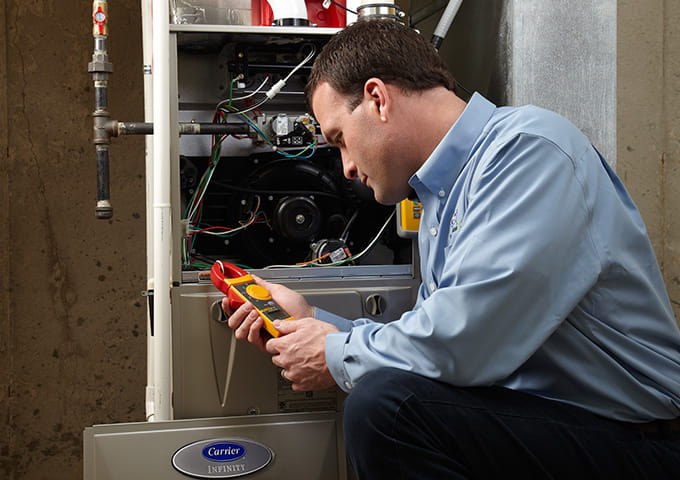
To maintain smooth airflow and prevent parts from overheating, change furnace filters on a regular schedule, usually every 30 to 90 days. Arrange annual pro checkups to check gas pressure, clean flame sensors, and test safety switches. Additionally, seal ductwork leaks and leaks around vents using mastic or metal tape to reduce heat loss and even out room temperatures.
Future prevention includes upgrading to a programmable or smart thermostat for tighter control, remote access, and better diagnostics. Check thermostat settings and batteries seasonally to prevent user-side error and false signals to the furnace. Preventing future issues by keeping the area around the furnace clear and clean is important for proper ventilation and easier technician access.
Monitor easy performance indicators, such as extended cycles, increased noises, or uneven heating, and intervene sooner rather than later. Change filters frequently to ensure airflow and efficiency, and choose a filter type and schedule that suits your household. High-efficiency filters grab more dust but can start to impede airflow if left in for too long.
A basic rule is that households with pets or higher dust loads should swap filters every 30 days. Low-usage homes can stretch to 60 to 90 days. Having specific, clear instructions for filter size and MERV rating from your furnace manual prevents airflow issues that cause it to run without heating.
Seal ductwork and vents to prevent losses that feel like you have a furnace breakdown. Leaky ducts can blow much of the heated air into unconditioned spaces or attic voids, which can make rooms stay cold even while the furnace runs merrily along. Seal joints and elbows with mastic sealant or metal foil tape, and seek professional duct testing if rooms continue to be uneven despite a healthy furnace.
Future prevention also involves upgrading to a programmable or smart thermostat to reduce user error and increase efficiency. Schedule temperatures to drop when the building is empty, check remote monitoring to detect strange cycling, and run runtime reports that highlight warning signs. Smart thermostats hook into service apps and can notify you about maintenance needs before performance takes a hit.
Routine tune-ups and early intervention fix most standard furnace problems, and easy measures frequently prevent expensive outages.
Professional Help
Professional Assistance
Another trained HVAC technician offers the most trustworthy route to repair a furnace that runs but doesn’t heat. A professional can do a deep inspection and diagnostic beyond just basic checks. They deploy calibrated instruments to measure gas pressure, combustion efficiency, electrical current, and airflow.
It could be something as simple as a faulty gas valve or cracked heat exchanger, a blocked flue, defective thermostat wiring, or a failing inducer motor. Proper diagnosis keeps you from making repeated repairs and lessens the risk of diagnosing a symptom in a way that wrecks something else.
Licensed HVAC Technicians
Have a licensed HVAC technician perform spot-on furnace repairs and intricate diagnostics. Request proof of license, insurance, and local trade credentials prior to booking. Describe the exact behavior you’ve seen: whether the blower runs continuously, whether the pilot or ignition sequence starts, whether you notice unusual smells or noise, and the pattern of any error codes on the control board.
This advance information allows the technician to arrive equipped with parts and tools, reducing repair time and potentially call-out charges.
Chronic Heating Issues
PS – Call for professional furnace service if you have chronic heating issues or frequent overheating. Porky problems usually involve more than a mere part swap. Professional assistance can test combustion and examine limit switches and control logic, and whether airflow restrictions or a dirty heat exchanger are triggering safety cutouts.
Consistent overheating could indicate obstructed return ducts, a dirty filter or a failing blower motor. Technical service means load testing to guarantee that the fix is sustained in normal operation, not just power-on tests.
Safe Furnace Repair Service
Verify Technician Credentials and Warranties. Make sure repairs have an explicit parts and labor warranty and obtain written estimates that detail the work and part numbers. Insist on safety checks after repair: carbon monoxide measurement, leak tests, and a run test to validate flame stability and venting.
If a fix requires the gas system or heat exchanger, request proof that those were inspected to code.
Annual Check-Ups
Think of professional furnace help for yearly check-ups, cleaning and tuning. A tune-up once a year means cleaning burners, changing or checking filters, lubricating motors, tightening electrical connections and calibrating controls.
An annual tune-up avoids burner or ignition failure, prolongs component life, and keeps your system running efficiently, which reduces energy consumption and cost. If you’re unsure about safe operation or diagnosis, defer to a professional rather than risk injury or system damage.
Conclusion
A furnace that runs but gives no heat often points to a few clear faults: a dirty filter, a blocked vent, a tripped limit switch, a failed igniter, or a malfunction in the thermostat or gas supply. Inspect the filter and vents initially. Observe the pilot or ignition light. Pay close attention to any weird noises and error codes displayed on the control board. Minor repairs save time and money. If the unit keeps cycling or there is no spark, call a qualified HVAC tech. A pro can test gas pressure, inspect the heat exchanger, and swap parts safely. Keep a simple maintenance plan: change filters every 1 to 3 months, clear vents, and schedule annual service. Schedule service if simple checks don’t restore heat.
Frequently Asked Questions
Why is my furnace running but the house is still cold?
Usually a sealed or obstructed heat exchanger, faulty blower, or clogged filter blocks warm air from entering rooms. Test the filter and vents first. If airflow is weak, contact a professional HVAC technician to check the blower and ductwork.
Can a thermostat cause the furnace to run without producing heat?
Yes. A misprogrammed, faulty, or incorrectly wired thermostat can instruct the furnace to run the fan without igniting heat. Replace batteries, reset settings, test with a known good thermostat or call a pro for electrical diagnosis.
Could a pilot light or ignition problem let the fan run but not heat?
Yes. If the pilot light is out or the electronic ignition fails, the burner won’t light, but the fan may still run. For gas units, have a professional technician check ignition components and gas supply safety.
How does a clogged air filter affect heating performance?
A dirty filter restricts airflow and causes the furnace to overheat or short cycle without heating the house. Change the filter every 1 to 3 months. More airflow means better heat delivery and better system longevity.
Is it safe to keep the furnace running if there’s no heat?
Running a furnace without heat can cause damage and increased energy bills. Gas units can have safety risks. Shut it off if you think there’s a major problem and have it checked by a professional.
Could blocked or closed vents make it feel like the furnace isn’t heating?
Yes. Closed or blocked supply vents and closed dampers can keep warm air out of rooms, leaving the house cold even though the furnace is running. Open vents and clear obstructions first.
When should I call a professional instead of troubleshooting myself?
Call a technician if it’s a gas or electrical issue, or a no-heat condition that won’t resolve, a weird smell, or your basic filter, vents, and thermostat checks don’t clear it up. A pro means safe, precise diagnosis and repair.