
Key Takeaways
- Separate parts and labor when estimating blower motor replacement cost. Ask for a written quote that itemizes any extra parts or service fees.
- Motor type matters. PSC, ECM, and variable speed motors vary in upfront price and energy savings. They may require OEM parts that increase part and labor costs.
- Labor differs by area, ease of access, and difficulty of work. So, shop local rates, demand an itemized labor list, and skip emergency or after-hours work to minimize charges.
- Think about system age, warranty status, and brand disparities because the older the furnace or the more expired the warranty, the more you’re paying out of pocket. Premium brands might be pricier, but their warranty value lasts longer.
- Weigh repair versus replacement by considering repair cost, expected motor lifespan, and repeated failures. Replace the furnace if repeated blower problems or age cause long-term costs to be greater than replacement.
- Be smart and save $$$ by getting multiple itemized quotes, off-season scheduling, and prioritizing licensed technicians and quality parts. This is good for efficiency gains and less repair in the future.
Furnace blower motor replacement cost is what homeowners typically pay to replace a furnace blower motor. Generally, the parts run from around $120 to $650 and the labor is from $100 to $300, depending on motor type, efficiency rating, and local labor rates.
Higher-efficiency motors and multi-speed units drive parts costs up. The remainder of this post explains price drivers, symptoms a motor requires replacement, and how to reduce costs.
Replacement Costs
Replacement of a furnace blower motor involves distinct cost components: parts, labor, and any additional materials or service fees. Average cost is about 560, but final prices typically run from 400 to 1,800 and can go as high as 2,400 for big or hard-to-reach installations. If the repair costs are more than half the cost of a full replacement, replacing the unit is almost always the better option.
1. Motor Type
PSC, ECM, and variable speed motors are all designed and priced differently. PSC (permanent split capacitor) motors are the cheapest, often costing between $50 and $150 for the part. They are easy to replace and waste more energy.
ECM (electronically commutated motors) cost more, usually between $200 and $450, but are more efficient to run and can reduce your energy bill over time. Variable speed motors tend to be at the high end and can drive part cost toward the upper limit of the range.
Replacement costs have the goal of one having a higher upfront cost but lower operating cost. For example, a home with long heating seasons can recoup the additional expense through reduced utility bills.
Certain furnace models require OEM or model-specific motors, increasing part cost and potentially extending wait times for the right unit. Such advanced motors as ECMs can complicate the job, boosting parts and labor charges due to calibration and electronic controls.
2. Labor Fees
Labor usually costs between 150 and 400 and takes 1 to 2 hours for a normal swap. Local HVAC rates vary; a technician in a big city will cost more than one in a small town.
Accessibility matters: motors inside tight plenum spaces or up in a cramped attic can add time and push labor toward the high end. Emergency or after-hours calls typically escalate hourly rates and add a premium, frequently one and a half to two times the normal labor.
Request a line-item labor breakdown in any quote so you can see hours, hourly rate, and any travel or disposal fees.
3. Brand Differences
Premium brands typically translate into pricier parts and often superior warranty conditions. Warranties can be anywhere from short parts-only coverage to multi-year protection, impacting long-term value.
Some manufacturers are broad in what parts are available on the aftermarket and some require somewhat factory components which cost more and slow the replacement down. Compare brand pricing, warranty duration, and service networks to decide on value.
4. Regional Impact
Local wage rates and vendor prices determine the ultimate invoice. City folks average more than country types. Local demand for HVAC parts can push up prices.
Supply chain delays count. Consult local cost information or obtain several local quotes to establish reasonable expectations.
5. Emergency Rates
There are higher labor fees for emergency replacements and fewer low-cost parts available. Same-day service hurts your bottom line and can require you to use in-stock or OEM parts at a premium.
Run non-urgent work during normal hours to reduce expenses.
Key Price Factors
Furnace blower motor replacement costs rely on a few interconnected factors that influence parts, labor, and any subsequent work. Here are the key price factors listed below in brief, then accessibility, system age, and warranty status discussed in more detail.
- Motor type: PSC, ECM, or variable-speed. Variable-speed typically costs the most.
- Motor price range: about 50 to 450 (currency consistent).
- Labor typically ranges from 150 to 400 and varies by region and complexity.
- Accessibility: Tight spaces or attics raise labor time and tool needs.
- Additional parts or repairs, such as belts, mounts, capacitors, or control boards, add cost.
- Warranty status and brand: An active warranty can cut parts cost. Premium brands can be more pricey.
- Emergency/after-hours: adds roughly 100 to 200.
- Regional labor rates: Urban areas often charge more than rural areas.
Accessibility
Furnaces installed in attics, crawlspaces, or tight closets add labor hours to a job since technicians have to work in uncomfortable positions and will occasionally have to remove ductwork or panels. This extra time tends to push labor closer to the upper end of the 150 to 400 spectrum and may necessitate specialized equipment that adds a minor equipment surcharge.
Some blower assemblies are complex. Multi-speed housings, integrated variable-speed controls, or sealed compartments need extra disassembly. That’s time, and time is charged. If a unit hides behind duct transitions, anticipate the installer charging for cautious removal and re-seal work.
Request site-specific notes from technicians when you receive an estimate. A simple photo or short video can help them identify access issues and provide a more accurate estimate. Convenient units, such as basement or utility-room configurations with obvious clearance, tend to minimize installation fees.
System Age
Older furnaces commonly require additional parts or adapters during motor swaps. Motors and mounting flanges come and go. You might require brackets, a new capacitor, or a wiring harness. They contribute to the ultimate price tag even when the motor itself is inexpensive.
Certain legacy systems won’t be able to accept new ECM or variable-speed motors without control board updates. This means a mere motor swap can become a more extensive retrofit, making it quite costly. In the case of regular previous repairs, the replacement of the complete furnace might be more price efficient than getting the motor fixed again and again.
Consider recent repair history in your decision. Multiple recent repairs often indicate more general wear and greater costs to come.
Warranty Status
Active manufacturer warranties can cover parts, occasionally bringing out-of-pocket costs down to labor only. Extended warranties might even cover labor, which reduces short-term costs significantly.
If warranties have lapsed, owners shell out full price for parts and labor. Premium-brand motors might have a higher initial price tag but will occasionally offer longer warranties that help balance out that price point.
Repair or Replace?
Furnace blower motor repair or replacement cost, age of unit and performance are all deciding factors backed by an accurate diagnosis. Here’s a concise perspective of standard prices and anticipated motor life to provide context before the in-depth points under Diagnosis, Lifespan and Performance.
| Item | Typical Cost (currency consistent) | Expected Motor Lifespan |
|---|---|---|
| Minor repair (capacitor, wiring, bearings) | 150–500 | N/A (repair extends life) |
| Major repair (motor rewind, extensive parts) | 400–1,500 | N/A |
| Full blower motor replacement (parts + labor) | ~560 average; up to 2,000+ | 10–15 years typical |
| Full furnace replacement | 2,000+ (often much higher for modern systems) | 15–25 years for new furnace |
Diagnosis
| Common Cause | Likely Fix |
|---|---|
| Worn bearings | Replace motor or bearings; cost varies |
| Faulty capacitor | Swap capacitor; low cost, quick fix |
| Clogged air filter or duct blockage | Clean or replace filter; clear ducts |
| Wiring or control board fault | Repair wiring or replace board |
| Motor overheating | Test amp draw, replace or repair motor |
| Failed motor windings | Motor replacement often required |
Clogged filters or even a simple wiring fault are frequent and may not require a full motor swap. Checking your filters and simple wiring first can save you hundreds!
Look for weak airflow, strange noises, or an overheated motor. These are all pragmatic indicators of blower problems.
Get a written, itemized repair estimate that indicates parts, labor hours, and suggested work. Include options: repair only, replace motor, or replace furnace.
Have the technician test capacitors and current draw. Those tests will at least help you know if a simple part replacement will do the trick.
Lifespan
On average, residential blower motors have a lifespan of roughly 10 to 15 years. If a motor is less than 10 years old and the rest of the furnace is in good condition, replacing the blower motor is generally the better, more cost-effective option.
Frequent repairs, increasing repair cost totals, or early signs of strain indicate replacement. High-efficiency new motors cut the power and can help prolong the life of the entire system.
Keep on top of manufacture dates and service reports so you’re able to schedule a planned replacement rather than reactive spending.
If the furnace is 10 to 15 years old, consider a system upgrade. Units that are more than 15 years old or those that have faults repeatedly make full replacement the more cost-effective choice in the long run.
Performance
Bad airflow, inconsistent heat, or spiking utility bills usually lead back to the blower motor. New motors restore airflow and system balance, reduce energy consumption, and increase comfort.
Variable-speed motors provide both precise control and improved efficiency over single-speed motors. Following any repair or replacement, keep an eye on temperature balance, noise level, and electric draw to verify the work fixed the problem.
Beyond The Bill
Going beyond the bill: replacing a furnace blower motor. It impacts everything from energy consumption and comfort to maintenance schedules and system selection. Think not only about the immediate cost, but the lifetime savings, warranty, ease of installation, and how well the motor matches your system.
A dying blower motor will pull extra current to push the same air, which increases bills. A right-sized, efficient motor can reduce ongoing expenses and keep indoor comfort constant.
Efficiency Gains
- Potential annual savings are estimated at €60 to €300 depending on climate and usage. Outdated PSC motors tend to squander energy, while newer ECM or variable-speed units can reduce energy use by 20 to 50 percent in numerous residences.
- ECM and variable-speed motors: these provide finer airflow control, run at lower speeds for longer, and reduce start and stop cycles that waste power. They adjust fan speed to load, which translates into lower peak draws and smoother operation.
- Proper installation and parts include correct mounting, wiring, and using OEM or high-quality aftermarket parts to preserve the motor’s efficiency. Bad installation can wipe out anticipated savings and reduce lifespan.
- Repeat of potential savings: note that actual savings depend on local electricity costs, thermostat settings, and home envelope. Run a simple payback calculation by dividing the additional upfront price by annual savings to get years to pay back.
Comfort Levels
A working blower motor keeps air moving steadily so rooms hit set temperatures without big swings. Variable-speed motors operate silently and constantly at low speeds, eliminating hot and cold spots and drafts.
Enhanced circulation aids filtration and reduces dust and humidity problems, which impact perceived air quality. Changing filters regularly and scheduling maintenance saves air volume and comfort post-replacement.
Neglect can shorten motor life significantly under the usual 10 to 20 years.
Future-Proofing
Select replacement motors that correspond to your furnace horsepower rating. An underpowered motor can leave rooms cold. An overpowered one squanders energy and strains the system.
Opt for motors suitable with smart thermostats and zoned systems if you can add upgrades later. This sidesteps premature secondary replacements.
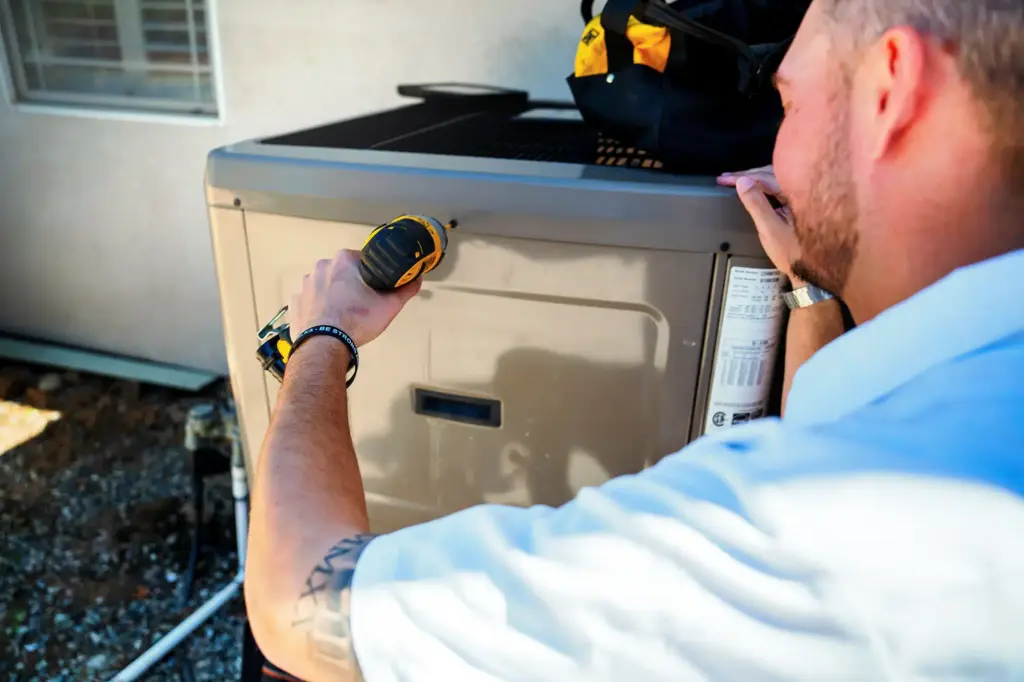
Go for tested engineering with good warranties and established bearing types. Longevity lowers overall lifecycle cost and maintains service requirements minimal.
Consider installation access: cramped attics or crawlspaces add time and cost. Expect an extra €60 to €120 in labor for difficult access, so factor that in when comparing options.
If it’s under warranty, you may pay labor only, often €120 to €200, which can turn a replacement from borderline to obviously cost-effective. As an added bonus, replacing a motor under €450 is almost always less expensive than a full furnace swap.
Smart Savings
Smart savings—Replacing a furnace blower motor is a cost-effective repair that can add years of life to a home heating system. Here are actual, useful, actionable tips for saving on blower motor replacement without sacrificing quality.
DIY Cautions
DIY blower motor replacement can void the furnace warranty and cause more expensive damage. Mis-wiring, mis-motor sizing or bad mounting can lead to inefficient heating, increased wear on other components, or complete failure.
Safety checks count. Working with electrical components means cutting power at the breaker, using insulated tools, and checking for proper grounding. Dealing with capacitors and motor bearings without the proper expertise is risky and can result in shock or injury.
Balance cost against risk. If you have HVAC training and the appropriate equipment, DIY might save on labor costs. For most homeowners, using a licensed technician protects warranties and lowers the risk of return visits that eliminate any initial savings.
Off-Season Service
Plan blower motor work in spring or fall. Labor rates are typically lower and contractors have more open capacity which can translate to a better price and quicker turnaround. HVAC companies frequently offer specials during this time to drum up business, so discounts and bundles are more prevalent.
Smart Savings with off-season service gives you flexible scheduling and room for a nice, proper installation, as opposed to a hasty, last-minute job in winter. Think ahead and dodge those emergency rates and quick solutions that may not be best practice.
If the furnace is less than 10 years old and the balance is sound, swapping out just the blower motor during an offseason is generally the smarter play. If a system is 10 to 15 years old, consider whether a full replacement makes more sense, keeping in mind the 50 percent repair-cost rule: if repair costs exceed half the price of a new unit, replacement can be more cost-effective.
Multiple Quotes
- Reach out to at least three local HVAC companies for written estimates.
- Request parts breakdown, labor hours, and warranty information from each.
- See if your quote lists a new motor model number and efficiency specifications.
- Inquire about seasonal discounts, financing options, and maintenance bundles.
Check every quote for parts, labor, and warranty coverage. Estimated Energy Savings: An upgrade, like replacing a worn blower motor, can reduce energy consumption by as much as 75 percent and reduce long-term bills.
Simple maintenance, such as changing filters and scheduling annual tune-ups, can prolong motor life and prevent unexpected shutdowns. Catching minor problems before they become bigger can save an additional 5 to 25 percent on energy costs in the long run.
Installation Nuances
Installation of a blower motor affects price and durability. Varying furnace designs, motor types, and placement modify the labor. Anticipate a diagnostic fee of around 75 to 150 units of currency before they get to work. A simple swap can take 2 to 4 hours and labor can range from 200 to 600, but hustling jobs drive that up.
Hidden Costs
Checklist to review with installer:
- Diagnostic fee noted above.
- Disposal fee for the old motor.
- Any extra parts: mounts, capacitors, belts, connectors.
- Additional wiring or control board work.
Certain companies throw in an additional disposal fee on the old blower motor, so inquire if it is included. The location of the motor matters. Motors deep in the furnace cabinet or on rooftop units can need more time and parts, which raises labor and total cost.
The cost of blower motor replacement ranges from $300 to $700 or more for the motor and labor. ECM or variable-speed motors must sometimes be programmed, and that is billed separately. Inquire about surge protection, capacitors, or adapters that they might charge you for on the job. Make up your own checklist of probable add-ons and check off every line item before you sign any work order.
Safety Checks
Be safe — check during and after replacement for potential hazards and proper operation. Make sure wiring is secured, terminals are tight, and grounding is still in place. Verify that the installer runs the motor under normal operating conditions and observes for excessive heat or vibration.
By installing it correctly, you not only minimize electrical hazard but you help the system operate within design parameters. Have the technician demonstrate that airflow complies with manufacturer guidelines and fan speeds are properly configured.
Ask for documentation that parts are HVAC quality. A post-installation check by the installing company or an independent inspector verifies proper and safe work and can detect loose connections, improper clearances, or inadequate airflow.
Best Practices
Hire licensed HVAC technicians for blower motor replacements to ensure code compliance and warranty validity. Use quality replacement parts. Inexpensive motors tend to burn out early and cost significantly more in the long run.
Remember that labor is usually 30% to 50% or more of replacement cost, so a more expensive labor rate with a skilled tech can pay off for dependability. Schedule regular maintenance to prolong motor life and detect minor issues before they turn into breakdowns.
Maintain detailed documentation of diagnostics, components, labor, and dates. These records assist with deciding future service and warranty claims and provide a benchmark for anticipated service intervals.
Conclusion
For a new furnace blower motor, cost with parts, labor, and your system varies. Most home jobs are in the 150 to 900 EUR range. Motors and parts are on the low end, while full replacement and labor are on the high end. Easy solutions are inexpensive. A worn capacitor or loose wiring are usually repair indicators. A seized motor, repeated failures, or age of the furnace all lean towards full replacement.
Concentrate on fit, efficiency, and warranty when you select a motor. Get a minimum of three estimates from licensed techs. Inquire about part make, labor hours, and an explicit warranty in writing. Monitor energy consumption post-work. That quiet, steady fan on a low power draw compensates in comfort and lower bills.
Want to compare quotes or demystify an estimate? Post your model and quote details.
Frequently Asked Questions
How much does a furnace blower motor replacement usually cost?
Replacement usually costs somewhere between 150 and 900 EUR, depending on the motor type and labor. High-efficiency or variable-speed motors are more expensive. Check written estimates from licensed HVAC pros for accuracy.
How long does replacing a blower motor take?
Standard replacement takes one to three hours. Systems that are complicated or motors that are hard to get to might take more time. Request a time estimate from your technician prior to the start of work.
Can I repair the blower motor instead of replacing it?
Minor problems such as worn bearings or a bad capacitor can occasionally be fixed. If the motor is burnt out, is 10 to 15 years old or is inefficient, replacement is typically more economical.
Will a new blower motor lower my energy bills?
Yes. A modern, properly sized motor—particularly an ECM (electronically commutated motor)—can reduce fan energy consumption by 30 to 70 percent, reducing operating costs and increasing comfort.
Is blower motor replacement covered by warranty or insurance?
It varies. Review your furnace warranty and homeowner’s insurance. Manufacturer warranties might cover defects. Insurance almost never covers wear and tear. Save service records and inquire with your installer whether warranties are transferable.
Do I need to replace other parts when I replace the blower motor?
Technicians might suggest swapping out the capacitor, blower wheel or belt if worn. This can enhance dependability and prolong the new motor’s longevity.
How do I find a qualified technician for this job?
We select a licensed HVAC contractor with local reviews and verified insurance. Inquire about the company’s experience with your furnace brand, obtain a written quote, and see if they offer any guarantees on their parts and labor.