
Key Takeaways
- Change most regular HVAC filters every 1 to 3 months. Reduce to every month during peak seasons or if you have pets, allergies, or elevated dust levels in your home to maintain air quality and system performance.
- Select filter type according to needs and adhere to manufacturer’s recommendations, with fiberglass frequently replaced monthly, pleated filters replaced every 60 to 90 days, HEPA filters replaced every 6 to 12 months, carbon filters replaced every 3 to 6 months, and washable filters washed monthly and dried completely prior to reinstallation.
- Replace more often when local pollution, construction, heavy HVAC runtime, or vulnerable household members are around. Keep tabs on changes with a calendar, reminders, or smart monitors to stay ahead.
- Monitor visual, performance, and sensorial cues like dirt accumulation, diminished airflow, increased dust, strange odors, or aggravated allergy symptoms as immediate filter replacement triggers.
- Fine-tune replacement timing with pressure gauges or air quality sensors. Reduce energy consumption by avoiding clogged filters. Extend HVAC life with regular maintenance.
- Forgetting to change the filter results in increased energy costs, strain on components, potential system breakdown, and compromised air quality. Hence, invest in a data-backed replacement schedule that adapts to your home and surroundings.
How often to replace HVAC air purifier filter.
Disposable fiberglass filters should typically be replaced every 1 to 3 months, while higher-grade HEPA or electrostatic filters can last 6 to 12 months with periodic inspection and cleaning.
Homes with pets, smokers, or heavy dust need to have theirs changed more often.
Consult manufacturer instructions, examine filters every month, and be aware of any airflow or odor shifts to determine filter replacement timing for pure air and consistent system efficiency.
Replacement Frequency
When you maintain a replacement schedule, you keep indoor air steady and your HVAC system running smoothly. Replacing Frequency Check filters monthly and anticipate replacing them at no more than every three months. Then adjust for your household and environmental factors.
1. The Baseline
Most homes are fine with a 90-day swap for regular filters. Check it monthly as a rule of thumb. Even a 90-day rated filter can get gummed up sooner with pets or high dust. For pet or allergy homes, reduce the time to around 60 days.
In the height of cooling or heating seasons, check every 30 to 60 days and make monthly changes if the system runs heavily. Make a quick calendar, sticky note, or phone reminder associated with the last change date so you don’t forget.
2. Household Factors
Smokers, allergy patients, kids or seniors call for more frequent changes. Several occupants and rigorous daily use rouse more dust and reduce filter longevity. Bigger homes with more airflow and longer runtime require filters to be swapped out more frequently than small apartments.
Enter details for your household—pets, people, smokers and health requirements—and let that list determine a personalized schedule.
3. Environmental Impact
Living close to a highway, in a dusty dry climate, or near constant construction results in more particles coming inside. Spring pollen season will typically compel additional swaps; keep an eye on your local pollen counts and swap accordingly.
During high-smog periods or active smoke events, check weekly and be prepared to change sooner. Clean filters use less energy, and filtering regularly cuts emissions and helps shrink your carbon footprint.
4. System Usage
If your HVAC runs daily or for extended periods, change filters more frequently to prevent undue stress. Following heat waves, cold snaps or extended run time, check the filter and replace it if it is visibly dirty.
Split systems and central units differ in airflow and filter size, so tailor checks to your system type. Track HVAC run time and filter condition at every check to discover the optimal cadence for your system.
5. Filter Type
Determine if your filter is fiberglass, pleated, HEPA, carbon, or washable. Fiberglass filters should generally be replaced every 30 days. Pleated types tend to last 60 to 90 days.
HEPA or specialty filters should be replaced according to manufacturer recommendations. Washable filters should be washed monthly and completely dried prior to reinsertion. High MERV filtration catches more fine particles but can clog sooner, so anticipate shorter intervals.
Filter Importance
A working air filter is your #1 defense for indoor air and HVAC health. Clean, appropriately rated filters capture particulates and maintain steady airflow, which decreases contaminant concentrations and minimizes wear on mechanical components.
Turn filter inspections and changes into a home-care habit to shield lungs and prevent unnecessary system expenses.
Air Quality
Keep filters fresh to reduce airborne dust, pollen, and pet dander. A clogged filter no longer traps the small particles. They continue to circulate and exacerbate allergy and asthma symptoms.
For people with sensitivities, choose higher-efficiency media. MERV 8 to 11 suits most homes, while MERV 11 to 13 works better where occupants have high sensitivity or heavy use. Change a few filters every 30 days in active homes. Others can last 60 to 90 days, depending on pets, dust load, and run time.
Use high-efficiency filters to trap tiny particles and assist asthma or allergy symptoms. Higher MERV ratings trap finer particulates, but they can inhibit airflow if your system wasn’t built for them.
Make sure to check manufacturer recommendations and that the system is capable of utilizing the selected filter. Otherwise, efficiency can drop. After each modification, observe if your cough subsides or if there are fewer visible dust layers throughout the house or on the walls.
Dirty filter fallout can sneak up on you, so replace filters pronto. A filter that is obviously black or an increase in humidity smells indicates it should be replaced right away.
Just maintain a straightforward record of change dates and filter types to see which interval works best for your environment.
System Health
Save your HVAC system the unnecessary strain of clogged filters. Limited air caused by dirty filters makes blowers work harder, motors hotter and increases the likelihood of breakdown.
Frequent replacement maintains adequate air flow over the evaporator coil and minimizes the risk of freeze-ups or coil fouling. Try to prevent expensive repairs and system breakdowns due to airflow-restricting clogged filters.
Tiny, cheap filters are a lot less expensive than emergency part swaps or early system replacement. Incorporate filter changes into maintenance visits, allowing techs to check out other parts while airflow is best.
Prolong furnace, air handler and coil life with consistent filter attention. Neglect quickens corrosion and cuts service life. A clean filter checked every month is an easy habit that saves lots of headaches.
Energy Costs
- Change filters on a regular schedule. A clean filter preserves design airflow, so the system runs less and consumes less energy. Savings fluctuate but can frequently reduce heating and cooling costs by up to a few percent.
- Keep away clogged filters that cause it to work harder and increase utility bills. Heavier work means more electricity or fuel burned.
- Understand that dirty filters cause wear and tear that leads to repairs, and those are much more expensive than swapping out a filter.
- Number savings against your monthly energy bills before and after a regular filter schedule and against decreased repair invoices.
Filter Varieties
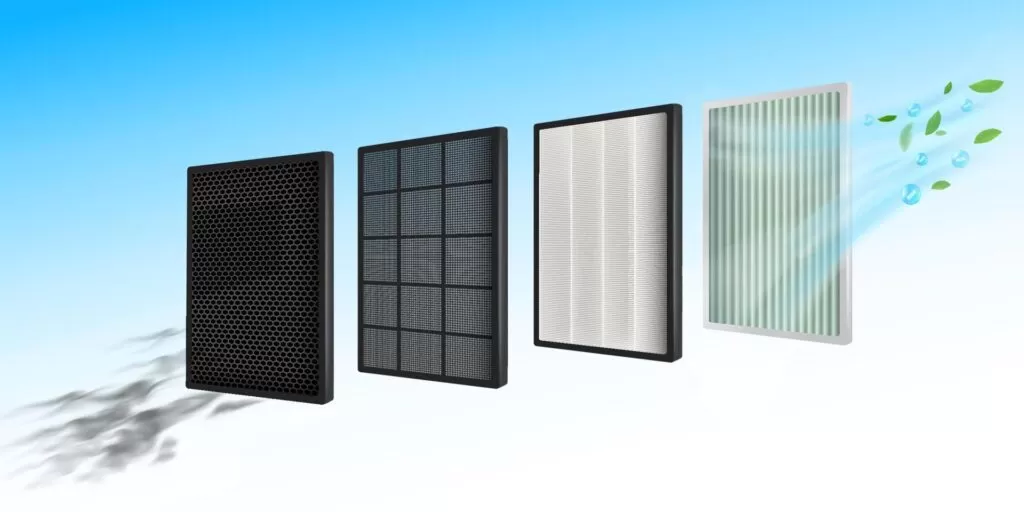
All air purifier and HVAC filters are different, varying by material, thickness, MERV rating, cost and replacement cadence. Select filters according to what you want filtered out (dust, pollen, odors, VOCs, smoke) and your HVAC capabilities.
Here’s a quick breakdown to help make choices, followed by more detailed comments on pleated, HEPA, carbon, and washable filters and how filter thickness, longevity, and MERV ratings influence maintenance.
| Filter Type | Typical Filtration Efficiency | Typical Cost Range (USD) | Replacement Schedule |
|---|---|---|---|
| 1-inch Fiberglass | Low (MERV 1–4) | Low | ~30 days |
| Pleated (1–4 inch) | Medium–High (MERV 5–13) | Low–moderate | 60–90 days (1 inch) to 6–12 months (4 inch) |
| HEPA (both standalone or HVAC-compatible) | Very High (MERV 14–16 equiv.) | High | 6–12 months (depends on usage) |
| Carbon (adsorbent layer) | Targets odors/VOCs, not particles | Moderate | 3–6 months |
| Washable (metal/plastic frame) | Low–Moderate | One-time cost higher | Clean monthly, replace if worn |
Pleated
Pleated filters capture dust, pollen, and smaller particles better than standard fiberglass. All are 1-inch and thicker varieties. A 4-inch pleated filter has far greater surface area and therefore lasts longer between changes.
Swap out 1-inch pleated filters every 60 to 90 days in most homes, although 4-inch pleated filters can often last longer, up to a year depending on load and manufacturers’ advice. Pleated filters are a sweet spot between cost and performance and suit lots of home HVAC systems.
Check your system’s design limit and pick a MERV rating that doesn’t strain the blower.
HEPA
HEPA filters provide the highest level of particle removal and are best suited for severe allergies or asthma. Adhere to manufacturer replacement intervals, typically every 6 to 12 months, although hard use or significant pollution may necessitate more frequent changes.
HEPA media can reduce airflow if your system isn’t designed for high-resistance filters. Don’t assume you can just pop HEPA into central HVAC. HEPA is effective in standalone purifiers or systems designed to support MERV 14 to 16 equivalent filters for optimal results.
Carbon
Carbon filters eliminate odors, smoke, and VOCs through adsorption instead of particle collection. They perform best when teamed with a pleated or HEPA pre-filter to tackle particulates as the carbon addresses odors.
Carbon cartridges should be replaced every three to six months or if odors persist. Use your best judgment. Monitor indoor smell levels and swap out earlier in homes with smokers, heavy cooking, or strong off-gassing materials.
Washable
Washable filters reduce cost and waste over time and require cleaning once a month to remain effective and to avoid mold development. Allow them to dry completely before putting them back in.
Washable filters can last years with proper care, but check them often for tears, misshapen frames or diminished capture capacity and swap out when compromised.
Telltale Signs
Regular visits to your HVAC air purifier filter prevent minor issues from becoming expensive repairs. Here are definite, practical clues to look for at your monthly check. Checklists and cues can help you determine when to clean or replace a filter to maintain airflow, energy consumption, and indoor air quality to within expected levels.
Visual Cues
- Filter looks gray, clogged, or dust is visibly covering it. Chalk marks.
- Hold up a new filter side-by-side with the in-use filter to estimate how much dust has accumulated. A marked contrast means it’s time to switch.
- Watch for warping, tears, sagging, or compressed pleats that indicate the media is not trapping particles as well as it used to. Physical damage reduces filter life.
- Grab a flashlight and check both faces and the edges for trapped particles, pet hair or grime. Hold it at an angle to show caked buildup between pleats.
Performance Drops
Decreased air coming from vents or hot/cold spots are telltale signs a filter is blocked. If you detect weaker air at vents, the filter could be impeding flow and prompting the blower to exert more effort.
Change the filter if the system cycles more frequently or has difficulty holding set temperatures. This causes excessive wear and tear on the system and can lead to expensive repairs.
Notice dust build-up on furniture; more dust settling means the filter isn’t filtering. Unexpectedly high energy bills are classic indicators of a dirty filter leading to an overworked HVAC unit.
If you catch a shift in the system sound, such as a strained blower or altered motor pitch, check the filter right away.
Sensory Alerts
A long-lasting bad odor whenever the heat or AC kicks on is a pretty good sign your filter or ductwork needs some TLC. Musty or stale odors emanating from vents signify trapped moisture or biological growth on the filter.
Change the filter if your family members start sneezing, coughing, or reacting to allergies more than usual; poor indoor air quality commonly manifests in aggravated symptoms.
Notice extra humidity or a sense of stuffiness indoors; limited airflow from a clogged filter can impede good moisture control.
Conspire if you see additional particles or flying dust. If you have pets or live in a dusty environment, you’ll likely need to switch filters more frequently; check them every 30 days and replace as needed to prevent lower system performance and inflated energy bills.
Beyond The Calendar
Air filter replacement isn’t just a calendar date. The optimal frequency varies based on usage, pets, allergies, filter type, and local environment. Some ultra high-capacity media filters can last up to 12 months, but thinner 1-inch pleated filters often require replacement every 30 to 90 days.
Simple checks about once a month during peak heating or cooling seasons allow you to adjust timing based on real conditions, not habit.
Smart Monitoring
Mount a standalone air quality monitor or HVAC sensor to monitor particulate levels, VOCs, and relative humidity. These smarts indicate when indoor air degrades and can alert you that the filter is straining.
Connected thermostats and mobile apps send you push alerts when air quality dips or run hours increase, meaning you receive timely reminders without the guesswork. Over weeks you can compare spikes in particulates with run time and replace from a fixed three-month plan to a data-driven cadence.
For example, a household with two shedding pets might see particle counts double in a month. A monitor would prompt an earlier change at 30 to 45 days instead of waiting 90. Utilize charts exported from apps to identify trends and demonstrate when to replace filter media or increase frequency.
Pressure Gauges
Put a pressure gauge or manometer across the filter slot to measure resistance to flow. As static pressure climbs, so do blockages and a straining blower.
Change filters when readings surpass the manufacturer’s recommended delta-P to prevent reduced airflow and increased energy consumption. Take record readings each check to maintain a trend log.
This allows you to anticipate when the filter will encounter critical resistance and schedule replacements ahead of performance decline. For example, if pressure shoots up after two months during pollen season, upgrade to a higher-capacity 4-inch media filter that lasts 6 to 12 months or swap every 30 to 60 days.
Personal Health
Homes with asthma, allergies, infants, the elderly, or immunocompromised individuals should seek cleaner air with more frequent filter changes. Monitor symptoms in conjunction with filter checks.
If sneezing, wheezing, or coughing increase, reduce the time between changes straight away. Seasonal threats like high pollen or flu peaks demand temporary spikes in replacement frequency.
Practical steps include using higher MERV-rated filters compatible with your system, checking them monthly, and setting reminders based on health events rather than fixed dates. Juggling between clean air, optimized system performance, and your own needs frequently results in sacrificing convenience for improved health.
Neglect Consequences
Neglect consequences HVAC air purifier filter replacement causes performance, health, and cost problems measurable in both home and commercial environments. Here are the key, concrete consequences to make upkeep salient.
- Lower system efficiency results in 5 to 15 percent more energy consumption.
- Higher utility bills and more carbon emissions from additional power draw.
- Increased pressure drop and substandard airflow strain the blower and ductwork.
- Premature wear may result in either partial or complete system breakdown.
- Significant repair or replacement costs, sometimes US$8,000–20,000.
- Reduced indoor air quality can improve by as much as 20 to 30 percent from a dirty filter replacement.
- More dust, allergens, and mold spores circulated through living spaces.
- Threat to delicate electronics and air quality monitors from particulate accumulation.
Component Strain
A clogged filter increases pressure drop. The blower motor runs longer and at higher load to move air. That additional labor reduces motor lifespan and increases the risk of bearing or winding malfunction.
Evaporator coils get coated with dust, lowering heat transfer. In cooling mode, this can result in coil freezing. In heating mode, it can result in overheating. Ducts collect more dust and deposits, increasing static pressure and uneven flow.
These effects accumulate and often manifest themselves as odd sounds, short cycling, and hot or cold spots. Regularly switching out your filter alleviates this tension.
Replacing filters every 1 to 3 months in average homes or more frequently in pet or dusty environments maintains airflow within design specifications and safeguards the HVAC unit investment. If filters are neglected, the minor issue turns into a costly repair or replacement.
Efficiency Loss
Filthy filters make your system work harder to maintain temperatures. The table below displays average effects on energy cost.
| Condition | Energy use change | Typical effect |
|---|---|---|
| Clean filter | Baseline | Normal HVAC load |
| Moderately dirty filter | +5% | Slightly higher bills |
| Very dirty/clogged filter | +15% | Noticeable bill jump, more emissions |
More energy consumption translates to higher utility costs and carbon output. Over time, this additional work reduces component life and can push a system beyond the point of economical repair.
Regularly scheduled checks keep the system close to its peak and keep cost drift at bay. Basic filter switches are inexpensive, while major repairs or replacements can run into the thousands.
Contaminant Spread
When filters are clogged, particles aren’t filtered anymore. Dust, pollen, pet dander, and mold spores swirl around and accumulate on surfaces and within machinery. Allergy and asthma sufferers experience an exacerbation of symptoms, and indoor air quality can plummet until the filter is replaced.
Just replacing a dirty filter can enhance quantifiable indoor air quality by approximately 20 to 30 percent. Electronics and air sensors accumulate particulate, which can reduce device lifespan or corrupt readings.
By changing your filters at the right time, you’re protecting your health and ensuring a more comfortable, clean indoor environment.
Conclusion
Routine filter inspections maintain clean air and healthy systems. The majority of simple HVAC air purifier filters are optimized for replacement every three months. High efficiency filters, active households, animals, or allergy demands require changes every one to two months. Inform with visual checks and airflow tests to catch sluggishness or visible grime. Odd smells, dust build-up, or higher energy bills are all telling signs that it is time to swap a filter. Pick the filter that fits your unit and your goals: dust control, allergy relief, or odor reduction. Little, consistent maintenance pays off in dollars and fresh, clean indoor air. Check your filter today, set up an easy swap calendar, and test out a high-grade filter for a month or two — you will see the difference clearly.
Frequently Asked Questions
How often should I replace a standard HVAC air purifier filter?
The majority of HVAC air purifier filters need changing once every 3 months. Check manufacturer recommendations and your home conditions. Homes with pets or allergies might require earlier replacements.
Can high-efficiency filters last longer than basic filters?
Yes. High-efficiency HEPA-style or electrostatic filters can last six to twelve months, depending on use and air quality. Just be sure to heed the filter’s rated lifespan and check periodically.
How do I tell if the filter needs replacing before the scheduled time?
Check for obvious accumulation of dirt, decreased airflow, increased energy costs, or lingering odors. If you notice these signs, it means that the filter is clogged and should be replaced immediately.
Will replacing the filter improve HVAC performance?
Yes. A new filter renews airflow, heating and cooling efficiency, and system stress. This reduces energy consumption and lengthens HVAC longevity.
Are washable filters a good long-term option?
Washable filters are great for saving a few bucks, but they need to be washed and dried regularly. They typically collect less fine particles than disposable HEPA or high-efficiency filters.
Does filter type matter for allergy or asthma sufferers?
Of course. True HEPA or high-efficiency filters catch smaller particles and minimize allergens. Select filters based on your unique health requirements and seek advice from an HVAC or medical professional if necessary.
Should I hire a professional to change my HVAC air purifier filter?
While you can replace most filters yourself safely, hire a pro if the filter is tricky to reach, a packaged purifier is involved, or you want a system inspection while you’re at it.