
Key Takeaways
- Air scrubbers are whole-system, active air purification for HVAC systems and portable use, capturing particles, gases, and microbes to improve indoor air quality and occupant health.
- Installation into existing HVAC systems promotes building-wide purification and can reduce wear on filters and components. This prolongs system longevity and decreases maintenance requirements.
- Core technologies are HEPA, activated carbon, UV-C light, and wet or hybrid scrubbing, so select features that align with your specific pollutants.
- Air scrubbers eliminate everything from coarse dust to particles smaller than 0.3 microns, along with odors, VOCs, smoke and airborne pathogens.
- Evaluate your space by locating contaminant sources, confirming HVAC compatibility, and confirming effectiveness with pre- and post-installation air quality testing.
- Install and maintain units per manufacturer guidance and utilize qualified HVAC pros to integrate with your system, keep filters changed and monitor for optimal outcomes.
An air scrubber for HVAC is a device that cleans indoor air by removing particles, gases, and odors with filters and chemical or UV processes.
It attaches to an HVAC system to minimize dust, pollen, VOCs, and microbes. Units differ in size, filter type, and clean air delivery rate.
The remainder of this guide covers types, installation, costs, and maintenance.
Unpacking Air Scrubbers
Air scrubbers are whole-HVAC air purification devices that are designed to extract particles, gases, and biological contaminants from indoor air. These come as either stand-alone portable units or embedded modules installed inline in ductwork. Unlike typical air purifiers and basic HVAC filters, they combine multiple capture and neutralization technologies to address a broader spectrum of contaminants and higher volumes of air.
1. Core Function
Air scrubbers draw room or duct air into staged treatment. Common elements include a pre-filter to capture large debris, HEPA filters for fine particles, and activated carbon for adsorption of gases and odors. A few include UV lamps or ionizers to deactivate microbes.
It depends on airflow. The more air changes per hour, or ACH, the quicker it removes pollutants. For most construction work, four to six ACH is typical, whereas hospitals or clean rooms might require in excess of twelve ACH. Filters need to be inspected and changed on cycles related to use and environment, such as during wildfire smoke events every few weeks.
2. HVAC Integration
Air scrubbers are installed either inline with air handlers or as portable units in close proximity to the contamination source. Inline models mount into return or supply ducts and leverage existing fans, while portable units sit on floors or scaffolds and vent purified air back into the environment.
They can be paired with air conditioners, furnaces, air handlers and ventilation systems, but sizing and pressure drop are important. When properly integrated, they can deliver whole-home or building-wide purification and can reduce load on standard filters.
Ill-matched units can increase energy use or diminish system efficiency. Unpacking air scrubbers in disaster restoration after fire, flood or mold, portable scrubbers allow crews to run high air changes per hour without modifying the HVAC.
3. Key Technologies
Key tech consists of HEPA filters, activated carbon beds, UV-C light, electrostatic precipitators, and wet scrubbers for industrial gases. Dry scrubbers, which combine HEPA and carbon, work for the majority of indoor applications.
Wet scrubbers remove soluble gases and dust in industrial exhaust. Hybrid devices mix methods to address mixed loads. Oxidizers and advanced catalytic media target the VOCs. Others incorporate low-level ozone, which is effective against odor but requires careful application because ozone itself is toxic at higher concentrations.
4. Contaminant Targets
Air scrubbers combat dust, pollen, mold spores, bacteria, viruses, smoke particles, odors, VOCs, and industrial fumes. HEPA filters can trap up to 99.7% of particles as small as around 0.03 microns.
Activated carbon captures numerous gaseous compounds but saturates more quickly than HEPA. Anticipate a carbon life of 3 to 6 months and a HEPA life of 6 to 12 months with normal usage. Prices start in the few hundreds for portable units and go up to thousands for commercial models.
The Real Benefits
Air scrubbers deliver a tangible, immediate improvement in indoor air quality by eliminating diverse airborne pollutants. In a variety of rooms, they can eliminate as much as 90% of pollutants in room air over the initial 30 minutes of use, reducing particulate burden, VOCs, and microbial contaminants. Indoor air can be two to five times more polluted than outdoors, so incorporating an air scrubber into an HVAC system results in a clear concentration decrease and more consistent air quality over time.
Health Gains
Air scrubbers combat the most common triggers that cause allergy symptoms and asthma attacks by capturing pollen, ragweed, pet dander, and dust mite fragments. This decrease can help seasonal allergy flare-ups and reduce the number of shortness of breath episodes for the susceptible.
They capture particles all the way down to around 0.01 microns, which covers a lot of bacteria and some viruses, helping to reduce airborne disease transmission risk in communal areas. Mold spores decrease when air flow blows them through scrubber sections, reducing the chance for mold to colonize wet surfaces.
Children, older adults, and people living with chronic respiratory conditions benefit the most, as cleaner air decreases daily symptom burden and long-term exposure risks like chronic bronchitis or worsening asthma.
System Longevity
Air scrubbers siphon off some of the particulate burden before it hits filters, blowers and duct interiors, so mechanical components encounter less abrasive dust and contaminant buildup. It reduces mechanical wear and can increase fan efficiency because motors don’t have to work as hard against clogged filters.
Consistent use minimizes deep duct cleanings and filter swaps, saving on recurring maintenance costs and labor hours. Over months and years, these reductions translate into extended HVAC lifespan and more consistent system performance. They help avoid premature replacement of costly components.
Odor Neutralization
Air scrubbers eliminate stubborn odors from cooking, smoking, cleaning chemicals, and pets instead of covering them up. Activated carbon and oxidation stages decompose VOCs and odor-causing molecules so that smells are neutralized at the source.
This comes in handy in commercial kitchens, hospitality venues, and health-care environments where masking odors is not an option and complete removal is necessary for patient or guest comfort. Unlike air fresheners, which merely mask the smell, scrubbers reduce the real concentration of smelly compounds and increase the perceived air quality for residents.
Improvements at a glance
| Improvement area | Typical effect | Operational benefit |
|---|---|---|
| Air quality | Up to 90% pollutant reduction in 30 min | Faster relief from high pollution events |
| Health impact | Lowers allergy/asthma triggers; reduces airborne disease spread | Fewer sick days; safer shared spaces |
| Maintenance & cost | Reduced filter changes; less duct cleaning | Lower long-term HVAC costs and longer service life |
Beyond Filters
Air scrubbers are not more powerful filters. They use active processes to inactivate or remove pollutants from air and surfaces, not just catch them as air passes through a media. That distinction matters: active purification targets gases, odors, microbes, and fine aerosols that passive filters can miss.
It can work continuously within an HVAC system to reduce contamination across an occupied space.
Surface Purification
Some air scrubber systems incorporate surface treatment elements that extend beyond the airstream. They generate reactive species or employ UV-C light that hit adjacent surfaces, reducing live bacterial, viral, and mold spore counts on walls, ductwork, and furniture.
This reduces the microbial load that can re-circulate in the air. In the field, mold remediation crews and healthcare facilities deploy surface-safe scrubbers to reduce the risk of recontamination after cleaning.
They provide an extra barrier in places where damp or shadowed surfaces encourage microbial growth. For humid home or office surfaces, surface reduction counts. It minimizes recurring mold spot formation and reduces spores airborne, which is good for allergy sufferers or those with compromised immune systems.
Active Technology
Modern air scrubbers rely on proactive methods such as ionization, photocatalytic oxidation, UV-C light, and in some units controlled ozone or reactive hydroxyls. These approaches chemically or physically decompose pollutants instead of merely capturing them.
They run constantly and require minimal user interaction aside from periodic filter replacement. This means airborne and surface germs are eradicated over time with no need for constant manual sanitation.
Active systems, on the other hand, keep indoor air quality steadier between filter changes and during pollution spikes. Active versus passive has obvious trade-offs. Here’s an elegant analogy of popular approaches and results.
| Method | How it works | Typical effectiveness |
|---|---|---|
| Passive filter (MERV/HEPA) | Traps particles in media | High for particulates; limited for gases/odors |
| Ionization/UV-C | Destroys or neutralizes microbes and small aerosols | Targets microbes and very fine particles; variable by design |
| Photocatalytic/Reactive chemistry | Breaks down VOCs and odors | Good for gases and odors; performance depends on catalyst and airflow |
Particle Size
Air scrubbers tackle a wide particle size spectrum, from visible dust and pollen through fine particulate and sub-1.0 micron aerosols. HEPA-grade portions in lots of scrubbers capture particles down to 0.3 microns at 99.98% efficiency when accurately rated and installed.
This means that both visible dust and invisible viral-laden aerosols can be lowered. Effective particle control matters for allergy and asthma sufferers, especially for people in high-pollution or high-pollen areas where airborne load is high.
Frequent servicing and replacement of parts are necessary to maintain rated performance. This helps to reduce declines in disease transmission and indoor pollutant loads, as demonstrated in a number of applied research.
Is It Right For You?
An air scrubber brings you better indoor air quality by eliminating particles, gases, and bio-contaminants. Determining if it’s right for you involves clarity on what types of pollutants you’re addressing, household health concerns, and the space in which it would operate.
Home Assessment
Start by listing likely sources of indoor pollution: cooking fumes, candles, tobacco smoke, pet dander, mold in damp areas, construction dust, and tracked-in outdoor pollutants. Mark any rooms that have musty smells, obvious dust accumulation, or lingering damp patches.
See if your residents have allergies, asthma, or compromised immune systems. An air scrubber generally does a great job reducing triggers and may help reduce airborne illness transmission risk for vulnerable populations.
Verify your HVAC. Many whole-home scrubbers mount in the return or near the air handler, so confirm duct access, available power, and the unit’s airflow capacity. If integration is impractical, portable units might be better suited for targeted rooms.
Prioritize poorly ventilated rooms, such as basements and bathrooms.
Key air quality concerns and desired improvements:
- Reduce pet dander and hair
- Lower dust and visible particles
- Control mold spores and damp-related odors
- Remove VOCs from paints or cleaning products
- Cut airborne pathogens in homes with immunocompromised people
- Improve ventilation in specific rooms
Technology Match
Match the tech to the polluters. HEPA filtration traps down to 0.3 micrometres, which is crucial for allergens and dust. Activated carbon filters trap odors and many chemicals, including many VOCs.
UV light and photocatalytic oxidation focus on biological contaminants and are capable of reducing microbial load. Efficacy depends on the particular implementation. For heavy pet dander or fine dust in the home, a high-flow HEPA whole-home unit or powerful portable HEPA scrubber is warranted.
For chemical and/or smoking odors, you want to head toward carbon-stage filtration. Commercial or industrial scrubbers have higher airflow and are meant to clean larger or more contaminated spaces. This is probably overkill in your average home but ideal for a workshop or commercial enterprise.
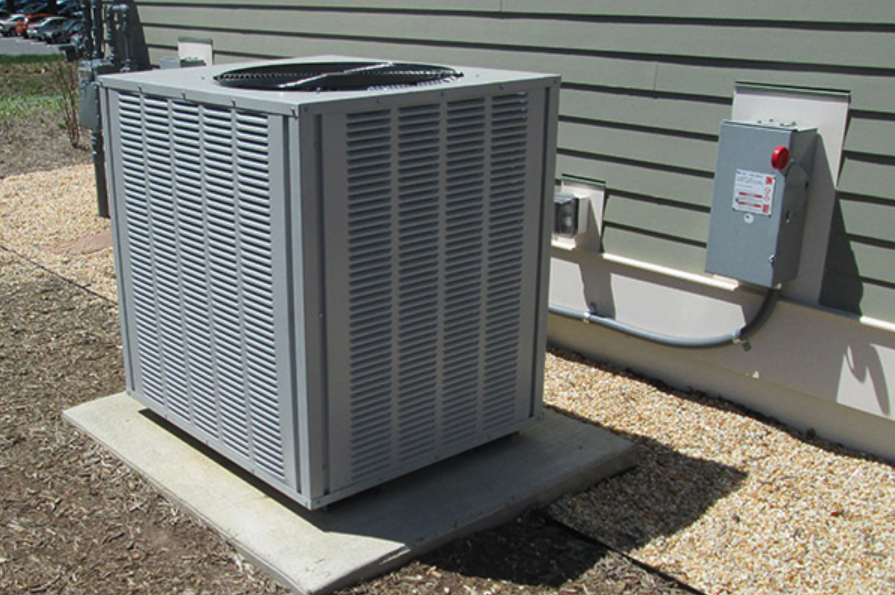
Pick units from brands with independent lab results and transparent CADR or removal efficiency numbers. Seek out effectiveness, warranties, and easy-to-get maintenance parts.
Performance Validation
Before you buy, consider rated Clean Air Delivery Rate (CADR), flow rates in cubic metres per hour, and independent tests. If possible, measure baseline indoor air quality—PM2.5, VOCs, and humidity—then remeasure after installation to confirm gains.
Track changes in symptoms: fewer sneezes, less dust on surfaces, reduced odors. Works with a large or small space, scrubber type, and pollutant load; indoor air can be twice as polluted as outdoors.
Maintain a schedule: replace filters per manufacturer guidance, clean pre-filters monthly, and service UV modules annually where present.
Maintenance checklist:
- Replace HEPA/carbon filters every 6–12 months (or per use)
- Clean or change pre-filters monthly
- Inspect seals and mounting points biannually
- Test air quality quarterly for objective tracking
Installation and Care
Air scrubbers may be installed as portable, free-standing units or connected to an existing HVAC system. Begin by sizing the unit: calculate the room volume in cubic meters by multiplying length, width, and height, then convert to cubic feet if using most manufacturer specs or use metric equivalents where available.
For airflow, take room cubic feet divided by the unit’s CFM rating and then divide that by 60 to get air changes per minute, scaling to hourly ACH. General construction work aims for four to six ACH, mold or remediation six to twelve, and hospitals or clean rooms twelve or more. Industry guidance recommends operating the scrubber continuously for twenty-four to forty-eight hours when the unit can accomplish four ACH to attain significant reduction in airborne contaminants.
Professional installation usually follows these steps: verify electrical supply and breaker capacity, select an optimal placement for intake and exhaust to promote whole-room circulation, install flexible ducts if connecting to HVAC return or supply plenums, seal any access panels and mount brackets or rails for in-duct models, and set controls or timers according to the calculated runtime.
For portable units, position them close to the source of contamination but with open space around the intake and exhaust to prevent short-circuiting of flow. A good HVAC tech will verify CFM, check for the impact of static pressure on your system, and make sure the scrubber doesn’t overload fans or coils.
Regular care focuses on filter replacement, cleaning, and record keeping. HEPA filters collect up to 99.7% of particles as tiny as 0.03 microns. Thicker 12-inch HEPA media rated 99.99% provide best-in-class capture and extended life but require careful handling.
Swap pre-filters on fixed intervals, typically once a month during heavy use, and examine HEPA and carbon or sorbent filters according to manufacturer schedules. Utilize sealed bags, gloves, and similar items for extraction of filters from high contamination zones. Clean exterior housings, dust, and wipe down control panels. Vacuum accessible ducts and test seals for leaks.
Heed manufacturer instructions for cleaning and service rigorously. A few units allow for limited cleaning on site. Otherwise, the fan or motor work necessitates sending the unit back to the factory for service. Keep a record of filter changes, run hours, and maintenance.
Portable scrubbers are flexible and easily transferred between sites. In-duct systems offer constant whole-house treatment and require expert commissioning and occasional balancing. Knowledgeable HVAC specialists play a key role. They verify sizing, manage duct connections, and provide scheduled service to preserve airflow, efficiency, and quiet operation.
A Personal Viewpoint
Air scrubbers attached to our HVAC systems noticeably changed our indoor experience for the better. As soon as you install a unit, the first difference you notice is a decrease in visible dust on surfaces. Less dust collects on shelves and gadgets. You clean less often, which is critical for a bustling household and a small office where time is at a premium.
The air also feels cleaner in a way that is hard to measure but easy to notice: less stale buildup and a fresher smell after long workdays. I observed allergy relief that counted. Seasonal pollen and ragweed once set off sneezing and itchy eyes for a few family members and colleagues. Thanks to the air scrubber, peak-sneeze days softened and fewer allergy meds were required.
It took out pet dander and typical allergens to the extent that sleeping and working felt more comfortable. This came in particularly handy for someone with a slight asthmatic predisposition, leading to fewer nocturnal wheeze attacks. For the immunocompromised, deodorizing aerosol is not comfort; it’s health. Air scrubbers do reduce airborne transmission of disease and can kill bacteria like E. Coli in the air, which is an additional protection.
The investment seemed warranted. Upfront costs for the models we looked at varied but were somewhere in the ballpark of 500 to 1,500 USD with a basic install. Professional HVAC techs we used finished installation in about 30 to 45 minutes, keeping downtime low. Ongoing costs do exist: replacement bulbs or cells for ionization or UV systems and occasional service checks.
Still, lower HVAC clogging and less frequent deep cleanings helped offset some of the running costs in the long run. Technology choices are important. Some units utilize cold plasma ionization to neutralize contaminants and odors, while others use UV or HEPA-style approaches. Efficiency depends on scrubber type, application, and upkeep rigor.
A properly selected unit, appropriately sized and installed, eliminates a broad range of particles and gases and combats microbes and odors. Examples include a small office with a plasma-based air scrubber that saw fewer sick-day reports and a family home with a UV-assisted model that reported less mold odor after a humid season.
I endorse air scrubbers as just one component of a robust indoor air quality plan. They are most effective when paired with regular HVAC upkeep, quality filtration, and smart ventilation decisions.
Conclusion
Air scrubbers remove allergens, viruses, and smells from the air inside homes. They function alongside your HVAC to purify air at the source. For allergy, asthma, pet, or smoke homes, a scrubber can reduce irritants and alleviate symptoms. For offices or shops, it can enhance comfort and minimize sick days.
Select a unit appropriate for your system size and room utilization. Review maintenance requirements and operating cost. Have a pro install it for optimal effectiveness. Clean or change components regularly to maintain efficiency.
Quick example: A small shop swapped a basic filter for a scrubber and saw dust drop by half in a month. If clearer air counts, consider cost, maintenance, and tangible benefits and then decide.
Frequently Asked Questions
What is an air scrubber for HVAC?
Basically, an air scrubber is something you add to your HVAC systems that cleans the indoor air. It employs filters, UV light, or photocatalytic oxidation to minimize particles, microbes, and odors. What is an air scrubber for HVAC?
How does an air scrubber differ from a HEPA filter?
An air scrubber actively treats the air using UV, ionization, or catalytic reactions. HEPA filters passively trap particles. Scrubbers can combat microbes and odors, while HEPA is great at trapping fine particles.
Will an air scrubber remove COVID-19 or other viruses?
Similar to air scrubbers, they can reduce airborne virus when properly sized and maintained. They reduce viral load but don’t promise total elimination. Wear them with ventilation, masking and vaccination for optimal protection.
How often does an HVAC air scrubber need maintenance?
Maintenance depends on the technology. Swap out filters or cartridges every 3 to 12 months. Clean or replace UV lamps annually. Adhere to the manufacturer’s schedule and inspect quarterly for best results.
Can an air scrubber save on energy costs?
Not directly. Good air quality can ease HVAC strain from dust accumulation. Some scrubbers inject a slight energy load. Go for energy-efficient models and weigh the tradeoffs between benefits and power consumption.
Is professional installation required?
Need professional installation. A certified HVAC tech can determine proper sizing, balance the airflow, and configure it safely with your system. This optimizes efficiency and prevents warranty or safety concerns.
How do I choose the right air scrubber for my home?
Pair the unit with your specific HVAC system size and air-change requirements. Prioritize third-party testing, transparent performance metrics such as CADR or CADR-equivalent, and trusted warranties. Check with an HVAC expert for an exact recommendation.