


Key Takeaways
- By mapping temperature variations and airflow in each room and closet, you will be able to detect uneven temperatures, drafts, and stuffy areas and identify where airflow is imbalanced.
- Periodically check your HVAC system, adjust dampers, and ensure that vents aren’t blocked to help maintain balanced airflow through your rooms.
- Simple fixes like opening dampers, clearing blocked vents, and sealing duct leaks resolve most airflow imbalances before a pro is needed.
- Because building design, system layout, and environmental factors all affect air flow between rooms, customize solutions to your space.
- If you’re dealing with stubborn airflow issues, advanced diagnostics like pressure mapping and thermal imaging can be valuable.
- Don’t be afraid to call in a pro when your own tinkering doesn’t work, particularly right before big seasonal shifts or if your system continues to perform unevenly.
Balancing airflow between rooms means adjusting how your HVAC distributes conditioned air so every room holds the same temperature. Start by opening dampers to starved rooms, clearing blocked vents, sealing duct leaks, and checking gaps under doors. In a Sacramento Valley home, where summer highs top 100°F, balanced airflow keeps back bedrooms from baking while the living room stays cool.
Some imbalances clear up with a few simple tweaks; others point to deeper problems like undersized ductwork, leaky joints, or a struggling blower. The guide below walks through the common causes, the balancing steps you can try yourself this weekend, and the warning signs that mean it is time to bring in a licensed HVAC technician.
Why Airflow Is Uneven Between Rooms
Airflow imbalance occurs when a building’s air is not distributed uniformly. This causes certain rooms to be significantly warmer or cooler than others. At times, the difference is even greater than 4 or 5°F. These imbalances are uncomfortable and waste energy, driving up your bills and stressing your HVAC system.
When airflow is unbalanced, some vents receive minimal or no air, while others blast out too much or even whistle. Identifying and correcting these problems not only maintains each room’s comfort, but can save you some serious cash down the road.
Signs of Unbalanced Airflow
One of the easiest indicators you have airflow imbalance is if you walk from one room to another and experience that proverbial temperature change, say one bedroom is cold and the living room is stuffy. If your house feels like stale air or you have a room that always smells bad, this is an indicator of airflow imbalance.
Drafts or hot spots can arise in areas where air fails to circulate well. They are typically found near windows, doors, or at the end of duct runs. Another sign is if your HVAC system sounds noisy or has trouble maintaining a consistent temperature. You might hear vents whistling to some degree, especially when dampers or louvers are partially closed.
Other times, the vents appear open but blow hardly any air, even with the system on. If you experience these signs, see if one room is always too warm or too cold compared to the others. An easy way to verify this is with a flow hood. It measures the air output in CFM of each vent.
This tool provides great insight into which rooms receive an air imbalance. You can test the pressure differential between rooms with a pressure gauge. Ideally, there should be less than 3 pascals difference from room to room. This helps track down where airflow is deficient, so you know where to tweak.
What Causes Uneven Airflow
| Cause | Impact |
|---|---|
| Blocked or closed vents | Uneven air delivery, hot/cold spots |
| Clogged air filters | Reduced airflow, strain on system |
| Poor duct design or layout | Inconsistent airflow, noise, inefficiency |
| Oversized/undersized ducts | Drafts, uneven temperatures |
| Furniture placement | Blocks vents, restricts air movement |
| Dirty or leaky ducts | Loss of conditioned air, energy waste |
| Damaged dampers or louvers | Unbalanced airflow, hard to adjust |
Furniture can be a big player in airflow. If you shove a massive chunk of furniture like a couch or wardrobe directly in front of a vent, it’s blocking air from coming into the room. This causes certain points to be cooler or warmer than others.
Protect against airflow imbalance. Don’t block vents or registers! Duct size and layout are important as well. If the ducts are too small, they don’t allow sufficient air to flow through to the far rooms. If they’re too big, air can rush too quickly or your air may move too slowly, generating drafts or creating hot and cold pockets.
Even leaky ductwork allows air to leak away, reducing the system’s efficiency. Blocked filters choke flow and cause the rooms to be stuffy and the HVAC to work harder. Grimy or broken dampers and registers can stop you from making required adjustments.
Tweaking these can assist, but it might require weeks of small adjustments to achieve optimal airflow. Begin by opening a little in the rooms with less air, then gradually close others until you feel better comfort in the house.
How to Balance Airflow Between Rooms
Balancing adjusts the airflow so that each room receives the proper amount of air at the proper temperature. It prevents one room from becoming overheated while another feels chilly. Even airflow controls indoor moisture, which is crucial if you reside in muggy locales.
Balancing airflow reduces energy expenses and increases the efficiency of your HVAC system. Homeowners should consider an air balance test every 2-3 years, after major renovations or when installing new HVAC units.
Checklist for Effective Airflow Balancing:
- Inspect the HVAC system regularly for faults or issues
- Adjust dampers and louvers to control airflow
- Keep vents clear of blockages and clean
- Seal leaks in ductwork and around doors
- Adapt to home changes, like renovations or new layouts.
Inspect the System
Do regular HVAC inspections to catch issues before they spiral. Inspect ductwork for cracks, holes, or loose joints that leak air. If the air handler or blower is sluggish or noisy, airflow could be weak or uneven.
How good is your air conditioner at cooling or heating? If a few rooms feel stuffy or drafty, your system could use tweaking.
Adjust the Dampers
Shift dampers to blow extra air into rooms that need it. For instance, bringing additional cool air to sunny rooms in summer maintains even temperatures. Adjustable louvers let you tune air for seasonal changes.
If a room’s purpose changes, such as converting a spare room into an office, then adjust damper settings. Balance damper positions every few months to ensure your comfort.
Clear the Vents
Don’t block air vents with furniture, curtains, or belongings. Clean vents to prevent dust accumulation and airflow blockage. Floor vents tend to capture debris, so check these frequently.
Throughout the year, ensure vents in all rooms remain open and unobstructed to assist in maintaining airflow.
Seal Duct Leaks
Unsealed ductwork leaks out cooled or heated air, wasting energy and money. Close gaps with mastic sealant or metal tape, not duct tape. Check seams and fittings carefully, as leaks tend to originate there.
Sealing leaks improves air quality, decreases utility bills, and increases airflow to every room.
Check Door Clearance and Return Paths
Drafty doors should be checked for fit and weather stripping or door sweeps should be added if required. At doors that bifurcate air between rooms, such as hallways or bedrooms, attempt to keep them open during extreme weather.
This helps to even out temperatures throughout the house.
System Dynamics
System dynamics is all about examining how components in a system interact and evolve. In HVAC, it’s considering how air flows through a building, affected by factors such as pressure, room geometry, and exterior weather conditions. Knowing these connections assists in ensuring each room is provided the proper airflow, which maintains comfort and keeps energy costs low.
Key factors influencing airflow dynamics:
- Static pressure differences in ducts and rooms
- Placement and settings of dampers and louvers
- Building layout and room size
- Outdoor temperature and humidity
- Window and vent locations
- Feedback loops from thermostat and control systems
Pressure Principles
Air likes to move from high to low pressure, so if the pressure is higher in one room, it moves out into a space with lower pressure. Positive pressure, with more air going in than coming out, can blow air and even dust into hallways or other rooms. Negative pressure, when more air is drawn out, can create drafts or suck in outside air through leaks. Either of which can cause toasty, chilly, or even damp problems.
Try using a cheap digital manometer to measure pressure differentials between rooms. If one room always seems stuffy or drafty, a pressure reading can identify the source. Compare readings to detect if some spaces are getting too much or too little airflow. HVAC pros use these numbers to set dampers and fan speeds or balance supply and return vents for each room.
Maintaining pressure equilibrium is the objective. When pressure is correct, air flows evenly and each room remains at the desired temperature. This equilibrium saves the HVAC from having to work so hard, conserving energy and reducing wear.
Building Design
Just like the architecture of a building directs airflow within, open layouts allow air to flow unfettered, whereas closed-off rooms, narrow corridors, or strangely shaped areas can obstruct or impede airflow. With high ceilings, the air rises and therefore upper spaces can be harder and warmer to cool. Tiny rooms can be overcooled or overheated if vents aren’t adjusted properly.
Window placement is important. Windows on opposing sides can aid cross-ventilation when open. If sealed or shaded, air may not circulate as effectively. Big glass can create hot or cold spots near windows, depending on the weather.
Not all buildings are created equal. Older homes may have sneaky leaks or quirky floor plans that require some unique hacks, such as booster fans or additional vents, to truly coax airflows into harmony.
Environmental Factors
Professional supplies assist in detecting air circulation issues. A pressure mapping system shows you where air moves fast or slow, providing a target for trouble spots. Technicians use thermal imaging cameras to visualize where air leaks in or out and where heat builds up. This simplifies troubleshooting.
Thermal imaging can reveal if a vent is blowing too hot or cold, suggesting blockages or leaks. More advanced diagnostics, such as airflow sensors, provide precise measurements to adjust the system. These measures ensure that each room receives the ventilation it requires, irrespective of external conditions.
Advanced Diagnostics
Balancing airflow from room to room is more than a yearly checkup. Advanced diagnostics employ specialist tools to detect less obvious issues. High-precision manometers, or micromanometers, sense small pressure changes in ductwork. This is especially crucial in older homes, where floorplans may be antiquated or ducts leaky.
One of the most useful checks, room static pressure tests, is an easy way to identify airflow imbalances. Flow hoods calculate the volume of air passing through each vent, assisting in determining if the airflow is appropriate. To size ducts, less than three pascals on a micromanometer means you’re good.
If you notice significant temperature differences between rooms – more than 4 to 6°F – it’s a sign of uneven airflow. TESP should be around 0.5 inches of water column. Anything over 0.9 inches w.c. typically indicates an issue. These checks help identify efficiency declines and target remedies that will get your system humming.
Professional Tools
Pressure mapping is crucial for complete airflow visualization. By taking pressure readings at multiple locations, you can map the air flow patterns in your house. This mapping reveals high or low-pressure spots, so you can quickly identify where air is trapped or escaping.
Once armed with the data, you can act on fact, not speculation. This approach is effective for homes of all sizes and is particularly valuable in regions with partial insulation or diverse floor plans. Combined with routine airflow measurements, pressure mapping is the foundation of any serious balancing strategy.
Pressure Mapping
Thermal imaging cameras display heat differentials across surfaces. A single scan can reveal cold spots or warm patches that correspond with issues in airflow or insulation. These cameras assist in locating rooms with drafts, walls that lose heat, or insufficient vents.
Homeowners and pros rely on these scans for routine HVAC checkups. Thermal shots reveal obvious patterns so you know where to plug leaks or add insulation. Sometimes one scan can identify all the major airflow-related issues, which is a huge time saver and reduces repair guesswork.
Thermal Imaging
Self-adjusting automated vents proactively respond when they detect a change in room conditions. Variable-speed fans optimize air distribution to each space, increasing the entire system’s flexibility. Embedded sensors monitor air quality and comfort, interacting with intelligent systems to maintain balance.
These innovations simplify airflow balancing even in homes with frequent shifts in use or demand. Smart controls allow you to operate everything from a phone or central panel. They assist in identifying issues early and tuning settings for optimal outcomes.
With these advanced diagnostics in hand, achieving balanced airflow is less of a gamble and more data-driven.
Smart Solutions
Smart solutions for airflow balancing use a combination of automated technology and hands-on tools to maintain comfort and minimize energy consumption. These techniques help identify and correct airflow imbalances, putting every room to better energy use. When the flow is correct, rooms remain within a few degrees of temperature, typically 4 or 5°F. This balance results in fewer hot or cold spots and enhanced system efficiency.
Automated Vents
Automated vents open and close to adapt to fluctuations in temperature and humidity. With smart sensors, these vents modulate airflow in real time, delivering more warm or cool air to rooms that need it most. In big rooms, vents can remain open longer, with smaller spaces getting less airflow. This maintains good air circulation and prevents rooms from becoming stuffy or chilly.
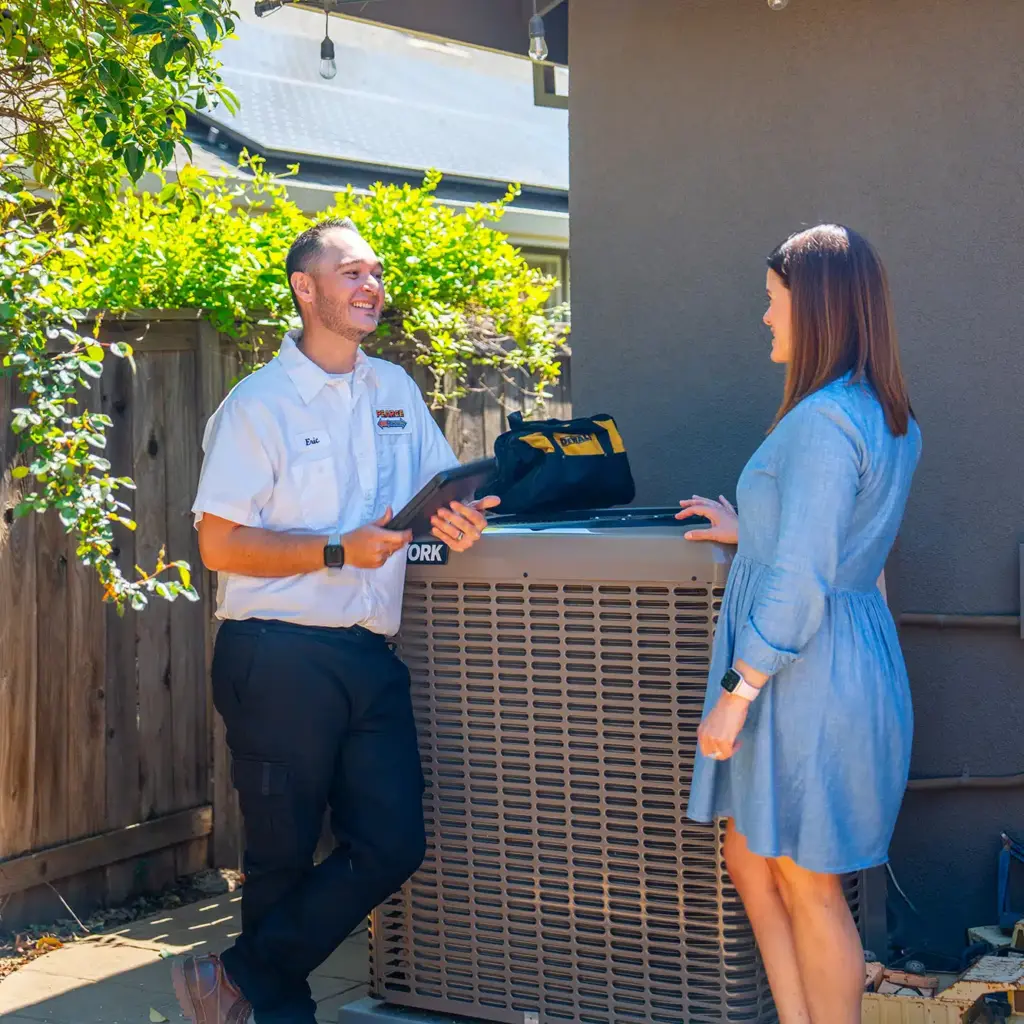
Combined with a central HVAC system, auto vents could coordinate to maintain the entire space balanced and comfortable. With something like a flow hood, either the homeowner or a pro can measure the CFM coming out of each vent. This helps identify where air isn’t circulating properly. If one room is always hotter or colder than the others, or if your energy bills are rising, your vents may need to be inspected or adjusted.
Occasionally, a vent or damper adjustment will solve the issue. It can require a few attempts over the course of weeks to nail it.
Variable-Speed Fans
Variable-speed fans come in handy for adjusting airflow. Instead of running at full speed all the time, these fans modulate to the air volume required in each room. When rooms are unoccupied or at temperature, fans slow down, saving energy. If there are people in the room or if it’s too hot or cold, fans rev up to circulate more air.
With variable-speed, the airflow remains consistent and the indoor temperature feels uniform from room to room. This is particularly useful in residences with unevenly used rooms or quirky apartment layouts that make air flow complicated. These fans reduce energy bills and extend the life of the system.
Integrated Sensors
Sensors monitor indoor air quality and airflow, delivering real-time feedback to the system to calibrate itself. These can be set to trigger smart vents or fans to adjust when temperatures or humidity change, maintaining balanced air. The trick is ensuring that sensors are properly installed and recalibrated as necessary to reflect accurate information.
When airflow and pressure across rooms remain in this optimum range, under 3 pascal, comfort and safety increase. Sensors assist in identifying minor issues early, enabling repairs to be undertaken before more significant problems develop.
Professional Support
Occasionally, airflow issues exceed what can be handled at home. HVAC pros have gadgets and tests they can do to measure airflow at each vent, usually with a flow hood. They can cost around $100 a vent, so identifying issues quickly is beneficial.
Seasonal tune-ups by a certified technician keep the system humming just right and can catch hidden problems before they become expensive.
Professional Help
Being smart about when to seek professional help for airflow balance issues is important, particularly if quick fixes fail. If rooms in your home or office have uneven temperatures that are more than 4 or 5°F different from one another, it’s usually an indicator that you require a pro. Bad airflow can manifest as vents that have no air coming out of them, even when dampers are open, or if your HVAC runs too long.
It is important to note the duration of these problems. If you’ve tinkered with vents and replaced filters but you still have hiccups after a few weeks, it’s time to call in the big guns. This is particularly the case prior to big seasonal changes when your system will be putting in overtime to keep things cozy.
When to Call
Professional air balancing is a step above what most people can do on their own. Pros use flow hoods to measure the precise CFM at each register. They test pressure differences between rooms, with the target typically under 3 pascals. This assists in identifying where the most significant imbalances exist.
It begins with a walk-through of your apartment. The technician counts the vents in each room, inspects them individually and identifies which are receiving weak or no airflow. If certain rooms are stifling or air doesn’t seem to circulate, they typically modulate dampers or louvers in those specific rooms initially.
Other times, you just need a pro to get those vents set just right, especially in larger homes or buildings with more complex airflow patterns. Anticipate your technician to inquire about which rooms you’re most comfortable in and investigate for any closed vents or duct leaks. They might recommend minor adjustments or occasionally larger solutions like installing new ducts or sealing leaks.
This is not an instantaneous process. It may take a few weeks of adjusting to find the right balance.
What to Expect
When your HVAC technician comes for a professional visit, he will thoroughly inspect your system. They take airflow readings from each supply register with a flow hood, log the results, and see how that compares to what’s required by room size. You’ll receive a detailed air balance report, which identifies what’s wrong and what can be done to fix it.
Professional help usually runs around $100 per vent opening, but prices may vary. Following your initial visit, anticipate follow-ups to check how effective the changes are and to plot next steps if necessary. The technician might provide tips on maintaining your system as you transition through seasons.
Conclusion
Nailing airflow in each room doesn’t have to require expensive gadgets or complicated procedures. Easy things to check and easy little changes can go a long way toward making air move better and keeping temps even. Check out vents, experiment with furniture arrangement, deploy fans or smart devices if needed. If things still feel off after that, consult a pro who understands HVAC. Smart airflow reduces hot or cold spots, keeps the air fresh, and can even help save on bills. To maintain your space comfy and healthy, monitor your airflow every few months and address minor problems before they grow. For more quick advice or to go in depth, browse our other guides or consult a local pro who can assist.
Frequently Asked Questions
What causes airflow imbalance between rooms?
Airflow imbalance occurs frequently because vents are closed, filters are clogged, or ducts leak. Uneven pressure, poor system design, and furniture placement can influence airflow.
How can I balance airflow at home myself?
Open or close air vents, clear obstructions, and replace filters regularly. If you have dampers, adjusting those can help balance airflow to each room.
Why is balanced airflow important?
Balanced airflow is more comfortable and efficient. It keeps temperatures even, cuts energy bills, and circulates nice fresh air to all.
Are there advanced tools to diagnose airflow issues?
Of course, anemometers, thermal cameras, and airflow meters assist in identifying and quantifying airflow issues. Experts rely on these to identify and address problems fast.
Can smart devices help balance airflow?
Smart thermostats and vent systems sense and regulate airflow automatically. They learn your preferences and adjust in real time, maximizing comfort and efficiency.
When should I call a professional for airflow problems?
Call in a pro if you experience stubborn hot or cold spots, elevated energy bills, or unhealthy air quality. They can safely inspect, diagnose and repair complex problems.
Does furniture placement affect airflow?
Yes, big furniture by a vent or return can obstruct airflow. Keep vents open so air flows freely through each room.