
Key Takeaways
- Routine HVAC tune-ups and premium filters, like HEPA or MERV-rated varieties, combat allergens and promote cleaner air.
- From adjusting system settings to keeping humidity levels dry, you can do a lot to minimize your exposure to allergens and help prevent mold or dust mites from developing.
- Smart tech and air quality monitors simplify managing filter changes, tracking air quality, and tweaking HVAC performance in real time.
- Adding in air purifiers and utilizing proper ventilation contributes to maintaining indoor air quality throughout allergy season.
- Knowing the distinctions among HVAC system types can foster better choices when picking out or updating units for allergy relief.
- Professional HVAC inspections and duct cleaning services offer customized solutions and keep your system running during allergy season.
Your HVAC system is your strongest defense against seasonal allergies in California’s Sacramento Valley. Fresh HEPA or MERV 8 to 13 filters trap pollen, agricultural dust, and mold spores before they reach your rooms, while sealed ducts, steady airflow, and 40 to 60 percent indoor humidity discourage dust mites. Change filters every 30 to 90 days to keep the air clean.
Filters are only the start, though. Across Winters, Davis, Woodland, and Vacaville, summer wildfire smoke and Delta breeze dust push indoor allergens higher, so real relief comes from combining good filters with whole-house filtration, humidity control, smart monitoring, and regular tune-ups. The sections below walk through each step so you can breathe easier all allergy season.
HVAC’s Role
An HVAC system doesn’t just cool or heat a room. It’s a crucial component in purifying indoor air, which is even more important during allergy season. That’s where the air filter in your HVAC system comes in as your first line of defense.
It captures pollen, mold spores, dust mites and numerous other minuscule allergy irritants. A HEPA-filtered system can trap 99.97% of particles as small as 0.3 microns. This means a lot of the things that make allergies worse, like pollen and dust, never make it into the air you breathe.
Replacing the filter every 30 to 90 days keeps the system pumping right and helps prevent new allergens from accumulating inside. In locations where pollen or dust are a major issue, changing the filter even more frequently can assist.
Ventilation counts as well. Indoor stale air can allow allergen counts to soar, particularly when windows remain closed for extended periods. HVACs help pull in that new air and push out the stale.
Proper ventilation prevents odors and moisture from accumulating. It prevents indoor pollutant concentrations from rising. In addition, in houses or offices with whole-house air filtration, it can eliminate the vast majority of airborne pollutants.
That’s not just pollen; it’s smoke, bacteria, and even some viruses. Ventilation systems additionally allow occupants to circumvent opening windows, which is advantageous in regions with elevated pollen or air pollution levels.
Temperature control is part of what HVAC does. Hot, stuffy rooms can exacerbate allergy symptoms. HVAC units maintain consistent indoor temperatures, which allows for better sleep and reduces strain on the body.
Humidity is key. If air is too moist, mold and dust mites can multiply more quickly. If it is too dry, dust and pollen can float about unimpeded. HVAC can assist in maintaining humidity in the appropriate range, typically between 40% and 60%.
This inhibits the proliferation of mold and dust mites, both of which are frequent allergy culprits. Seasonal allergies can affect your sleep, your work, and your general health.
Inhaling allergens can aggravate the nose, throat, and lungs, leaving you unable to concentrate or sleep. A good HVAC system, with clean filters, constant airflow, and humidity control, can alleviate these symptoms.
For pollen or dust allergies, the difference can be obvious. Routine HVAC maintenance is an easy move that can provide enduring respite.
Optimize Your System
Significantly reduce the amount of allergens inside your home by improving your HVAC system during allergy season. By concentrating on routine maintenance, smart improvements, and proper configuration, you’re making the air cleaner and the environment less likely to provoke allergies. Every step below assists in constructing a healthier indoor environment, regardless of your location.
1. Filters
High-efficiency filters like HEPA or MERV ratings between 8 and 12 capture small particles like pollen, dust, and mold spores. These filters are great in most systems and assist in relieving allergy symptoms. For typical HVAC systems, replacing filters every 30 to 90 days keeps air circulating and prevents debris and allergen build-up.
For ductless mini-splits, washing the filter every other week and replacing it annually is optimal. To remember, put reminders in your phone or calendar. This habit can make a huge difference for air quality.
2. Maintenance
Staying on top of routine maintenance ensures that your HVAC works as it should. Vacuum your air ducts regularly to eliminate dust and mold, particularly in preparation for allergy season. Spring is a good time to inspect your air conditioning, and fall is optimal for heating.
Cleaning blower parts and coils prevents dust and other irritants in the home. Sealing ducts and keeping a record of the work done helps you spot patterns if issues arise later.
3. Settings
Turn on your system’s “fan on” setting during high pollen days to circulate the air and filtration as much as possible. Tune the settings as the outside conditions shift, particularly if air quality declines or pollen counts surge. Keep an eye on indoor air quality if you’re able.
There are even a few monitors that link with smart thermostats for convenient control. Make sure you’ve taught everyone in the house how to use the settings, so if symptoms flare, each person knows how to adjust airflow or settings.
4. Humidity
Maintaining indoor humidity between 40 and 60 percent inhibits mold and dust mites, both huge allergens. A dehumidifier in musty rooms aids and most HVAC systems allow you to adjust and monitor humidity levels specifically.
If you’re running a whole-house dehumidifier with your AC, it can help as well. Knowing that overly damp conditions mean more allergens can help you make wiser decisions.
5. Upgrades
Installing air purifiers that cooperate with your HVAC can reduce allergens even further. High-efficiency air cleaners and filters collaborate to capture fine particles. Smart thermostats provide more precise control of temperature and airflow.
Newer filtration technology can capture even minuscule allergens. Exploring these alternatives will help you select what suits your home and well-being.
Beyond The Filter
Allergy management is about more than just changing out filters. A comprehensive strategy consists of multiple measures to maintain clean and safe indoor air. Air purifiers provide an additional barrier. Stand-alone air purifiers, particularly HEPA-filtered ones, can extract pollen, pet dander, and other small particles from the air.
HEPA filters trap particles down to 0.3 microns in size, which includes the majority of everyday allergens from dust mites to leaf mold. A whole-house air filtration system accomplishes more. It can eliminate a much larger share of pollutants, so it is far more comprehensive than a portable unit. These run great for homes with high pollen, wildfire smoke, or if there is someone in the house with extreme sensitivities.
Portable air cleaners are great for small rooms, but these whole-home options blanket every room in the house at once. Good air flow is the other key. The right ventilation can reduce the indoor air pollution that accumulates from cooking, cleaning, or even candles. Opening windows for a period when the outside air is clean is beneficial, but most homes employ mechanical systems.
Kitchen and bathroom fans can blow stale air out and fresh air in. In areas where there is heavy outdoor pollen or smoke, filtered mechanical ventilation is preferable to opening windows. The system sucks in external air and it blows it through a filter before it diffuses indoors. This prevents pollen, dust, and smoke from sneaking in.
Tidy rooms count as well. Simple daily cleaning measures can go a long way to keeping allergens at bay. Vacuuming with a HEPA filter, wiping down surfaces with a damp cloth, and washing sheets in hot water as frequently as needed eliminate dust mites and pollen. Don’t overlook soft surfaces such as carpets, rugs, and curtains because they capture dust and pet dander.
Air filters: Be sure to check and replace air filters regularly, generally every one to three months depending on the size of your home, the number of pets you have, and allergy needs. Even a great system won’t help if the filter is clogged, so this step is fundamental and crucial.
Humidity’s a factor as well. Set up your home humidifier to ensure the air doesn’t become too dry or too damp. Moderate humidity, typically between 40 and 60 percent, can help control mold and dust mites. Dry air can aggravate your nose and throat, but air that’s too moist can cause mold or more dust mites.
Sensor-integrated humidifiers allow you to monitor and adjust on the fly, making the indoors more comfortable and less prone to allergy flare-ups.
System Types
Understanding your home or office’s HVAC system type is crucial in allergen control. Each system operates differently to circulate, purify, or modify the air. There are two major types of HVAC systems: ducted and ductless. Both require maintenance to maintain healthy air quality and circulation.
Proper service ensures filters perform better, the system stays cleaner, and airflow isn’t obstructed by pet hair and dust buildup. Central systems condition the whole house, while portable purifiers cover a single room.
| System Type | Coverage | Filtration Strength | Portability | Cost (approx.) |
|---|---|---|---|---|
| Central Air Conditioning | Whole-house | High (with right filter) | Fixed | High |
| Portable Air Purifier | Single room/area | Varies (depends on model) | Movable | Low to moderate |
Ducted systems utilize a network of ducts to circulate air. They can accommodate a whole-house air filter, which traps the vast majority of airborne particles, even those as tiny as 0.3 microns. This reduces pollen, pet dander, dust, and mold throughout the house. Ducts can even house air sanitizing lights, treating moving air and killing germs.
On the negative side, ducts can leak. Leaks let in dust, insulation bits, and even wall-space pests. This can nullify the advances of effective filters. Ductwork needs to remain clean and sealed.
Ductless systems, such as mini-splits, do not employ ducts. They reduce the danger of sucking in additional dust or external allergens. Each has its own filter, easily replaced. Ductless systems are ideal for smaller areas or locations where incorporating ductwork is difficult.
They require additional units to blanket a large home. They might not accommodate a full-size whole-house filter. For ducted and ductless systems, filter choice matters. Filters are measured by MERV, ranging from 1 to 20. A MERV 8 to 13 filter removes the majority of pollen, dust, and mold without reducing airflow.
While higher MERV ratings are powerful, they block air and stress the blower, so not all systems can use them. Heating systems affect indoor air quality. Forced-air heaters frequently have the same ducts as cooling. Dry winter air can exacerbate allergies.
A whole-home humidifier, integrated into your HVAC, increases humidity and alleviates breathing. During warm, wet months, a whole-house dehumidifier can keep mold and dust mites at bay. Others have radiant or baseboard heat in their homes.
These don’t circulate air, so they don’t distribute allergens as much. They don’t clean the air, so air cleaners might be necessary in every room.
Smart Technology
Smart tech is now a major factor in how everyone manages indoor air quality this allergy season. Most homes already have intelligent lights, thermostats, and security. It’s logical to leverage these tools for HVAC and air quality, adding another level of convenience and control.
With a single interface, you can monitor multiple devices and adjust settings quickly, which users appreciate. For allergy sufferers, smart tech can reduce triggers by applying minor changes in real time, rendering spaces safer and cozier.
Smart sensors and monitors lie at the center of this transition. These devices detect particles and allergens, such as pollen, dust, and pet dander, in the air and deliver live readings directly to users’ smartphones or tablets.
A few apps monitor outdoor air quality and pollen counts, providing a comprehensive snapshot of factors that might influence allergy symptoms. With this data, people can act fast: close windows, run the HVAC, or use air purifiers when counts are high.
This granularity is useful for enthusiasts who like to get their hands dirty, as well as the set-it-and-forget-it automation aficionados. Automation is a big appeal. Smart systems can alert you when it’s time to replace HVAC filters or schedule maintenance, which is crucial for clean air.
Leaving a filter swap to chance can leave allergens collecting, and reminders remove the uncertainty. Smart thermostats and HVAC controllers can learn and adapt to habits over time. For instance, if you always run the system at night, the device can shift settings to keep air moving and filtered when it counts.
Voice assistants make control even easier. With a single rapid-fire voice command, you can check air quality, raise or lower the temperature, or turn on an air purifier. This is useful for all age groups and incredibly convenient for those with disabilities.
So when you add smart air purifiers to an HVAC setup, you make the system even stronger. These purifiers can pair with sensors to activate only when necessary, conserving energy and minimizing noise.
They catch even fine particles and can report on what’s been filtered. The table below shows key effects of adding smart purifiers to HVAC systems:
| Feature | With Smart Purifier | Without Smart Purifier |
|---|---|---|
| Air Quality Monitoring | Yes (real-time data) | No |
| Filter Replacement Alerts | Yes | No |
| Energy Efficiency | High (on-demand use) | Lower (constant use) |
| Allergen Removal | More thorough | Less thorough |
| User Control | App/voice/auto | Manual only |
Smart tech has advantages such as convenience, conserving energy, and improved air, but it has dangers. Security is paramount since connected devices are susceptible to hacking and data theft.
Users should select reputable brands, use robust passwords, and maintain up-to-date software. As these systems continue to develop, more elegant and convenient solutions to controlling air inside are inevitable.
Professional Help
Professional help matters if you want to control allergens indoors. Allergy season can make indoor air tough to breathe, so an experienced HVAC technician can detect minor issues before they grow into major ones. Periodic visits from trained professionals ensure your system operates smoothly and detects any accumulation of dust or pollen. For most, that translates into less allergy-inducing particles in the air.
They can uncover a clogged filter or dirty coil that you might overlook, making a big difference for your breathing comfort. Duct cleaning is another way to reduce hidden allergens. Dust, mold, and pollen can accumulate in the ductwork over time and then get blown throughout your home every time the HVAC system kicks on.
A professional duct cleaning service uses specialized tools to access and clean out these areas. This is the type of deep clean that is next to impossible to do with standard household tools. Good companies will show you before and after pictures so you see the results. It is not only cleaner ducts but it also leads to improved airflow and less debris floating around, which makes allergies worse.
Certain allergy issues require more than straight care. HVAC pros can recommend tailor-made solutions to fit your needs. This could range from suggesting a whole-house air purifier that can be incorporated into your system. They catch little things like pollen, pet dander, and dust mites.
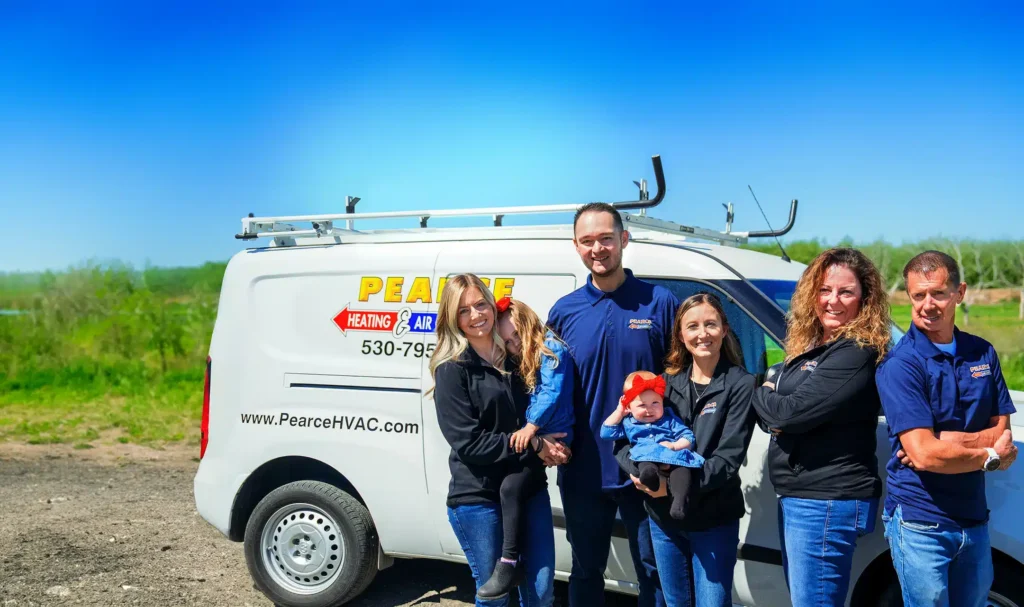
Most require a pro to install, but the payoff is massive for those with severe airborne allergies. An HVAC professional can discuss which kind of filters are best; some homes fare better with HEPA and some with electrostatic choices. Checking the indoor air quality is another way they help. With special meters, they can check the pollen, dust, and other particles inside your home.
This will indicate whether you require more robust filtration or adjustments to your runtime. Sometimes, an allergist’s advice is key. They’ll help you determine what’s driving your symptoms and recommend a plan of attack, like which medications to begin and when. For instance, initiating allergy medicine a couple of weeks prior to the season can calm symptoms before they become severe.
Professionals share simple tips: take a shower before bed to wash off pollen, change clothes after being outside, and keep windows shut during high pollen times. Basic HVAC maintenance, such as timely filter changes, is simple but impactful. All these expert-backed steps reduce allergens and help keep your home safer for allergy season.
Conclusion
Fresh air helps you breathe easy through allergy season. Good HVAC habits help cut dust and pollen. Fresh filters, clean vents, and smart air systems all work together. A pro can detect and repair minor issues quickly. Smart tech lets you watch the air changes in real time. Many families experience less sniffling with these steps. For kids or anybody with bad allergies, a good system goes a long way. Here are some easy tips to keep your home safe. Tweak your HVAC system and monitor your air frequently. Contact a local pro if you need a deep check or have questions. Give these allergy season HVAC tips a shot for a better, easier spring.
Frequently Asked Questions
How does my HVAC system affect allergy season?
Your HVAC system filters and circulates the air inside your home. A clean, well-maintained system helps capture pollen, dust, and other allergens, easing allergy symptoms.
How often should I change my HVAC filter during allergy season?
Switch your HVAC filter every 1 to 3 months throughout allergy season. Changing them frequently traps more allergens and keeps your indoor air clean.
What type of HVAC filter is best for allergies?
HEPA or high MERV filters (13+) are best. They trap smaller particles, such as pollen and dust mites.
Can smart thermostats help reduce allergens?
Yes. Smart thermostats can manage humidity and time air flow. This keeps mold and dust mites from growing and makes the air better for allergy sufferers.
Should I get my ducts cleaned for allergy relief?
If you observe dust, mold, or debris in your ducts, cleaning them can help diminish allergens. Schedule professional duct cleaning regularly. Regular duct cleaning means healthier indoor air.
Are certain HVAC systems better for allergies?
Systems with advanced filtration, like whole-home air purifiers or HEPA filters, are best for minimizing allergens. Central HVAC systems with appropriate filters provide powerful protection.
When should I call a professional for HVAC help during allergy season?
Call a pro if your system is underperforming, if you notice poor air quality, or if there are mold and water leaks. Professionals guarantee your system is secure and effective.